
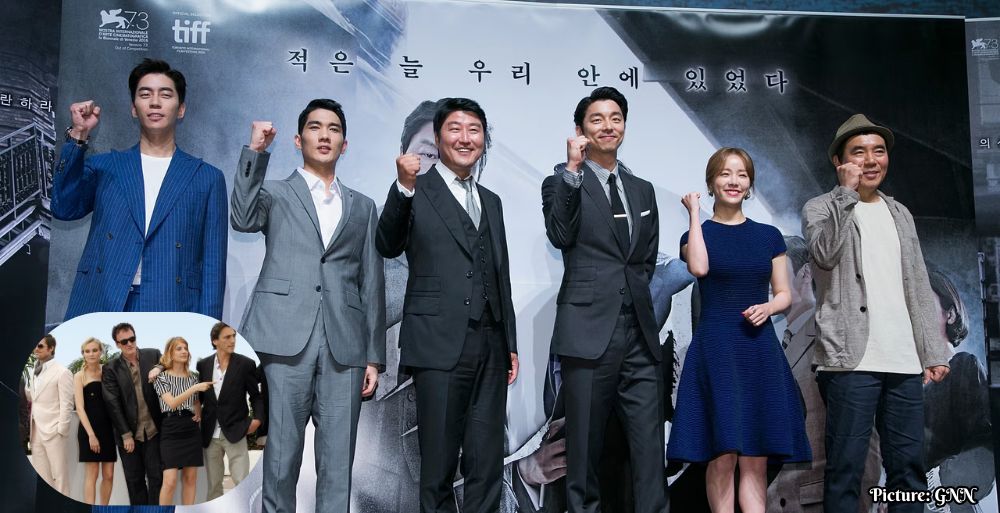
The 2016 South Korean film ‘The Age of Shadows’ has been recognized as the best spy movie of all time by Rotten Tomatoes, achieving a perfect score and reflecting the depth of South Korean cinema.
In a notable development for international cinema, the 2016 South Korean film The Age of Shadows has garnered the distinction of being labeled the best spy movie ever made by Rotten Tomatoes, the leading film review aggregator. This accolade places it ahead of classic titles such as Goldfinger and Mission: Impossible – Fallout, which have secured the second and third positions on the list, respectively. The film’s achievement of a perfect 100% score on the Tomatometer underscores its critical acclaim and solidifies its position within the pantheon of exceptional cinema.
Directed by acclaimed filmmaker Kim Jee-Woon, The Age of Shadows is set in the politically charged climate of 1920s Korea during the Japanese occupation, a period marked by significant turmoil and resistance. The plot centers on the character Lee Jung-chool, played by veteran actor Song Kang-ho, a Korean-born Japanese police officer tasked with infiltrating a group of Korean resistance fighters led by Kim Woo-jin, portrayed by Gong Yoo. The film intricately weaves themes of loyalty and betrayal through a gripping narrative that culminates in a high-stakes confrontation aboard a train to Seoul.
Historical Context and Thematic Depth
The narrative of The Age of Shadows extends beyond a mere thriller; it serves as a poignant exploration of identity, morality, and the complexities faced by individuals under colonial rule. The film’s portrayal of the cat-and-mouse dynamic between Lee and Kim illustrates the internal and external conflicts experienced by those living in a time of oppression. The train setting, a critical juncture in the film, symbolizes both the physical and ideological journeys of the characters, amplifying the tension and stakes of their encounters.
Critics have lauded The Age of Shadows for its rich storytelling and meticulous attention to period detail, which vividly captures the era’s aesthetic. The Critics’ Consensus on Rotten Tomatoes accentuates the film’s ability to sustain its lengthy runtime through compelling performances, intricate craftsmanship, and narrative depth. This critical reception not only positions the film as a benchmark within the spy genre but also highlights its unique contribution to the broader landscape of cinema.
The Influence of ‘Parasite’ on Global Cinema
The recognition of The Age of Shadows comes against the backdrop of increasing global interest in South Korean cinema, particularly following the monumental success of Parasite in 2019. Parasite shattered language barriers, achieving worldwide gross earnings exceeding $263 million and making history as the first foreign-language film to win the Academy Award for Best Picture. This landmark victory has spurred a heightened appreciation for South Korean films and their diverse narratives, reshaping global perceptions of the country’s cinematic output.
Before the breakthrough of Parasite, South Korea had already established itself as a powerhouse of high-quality filmmaking, with The Age of Shadows serving as a testament to its artistic capabilities. The film’s critical acclaim and commercial success contribute to the narrative that South Korea’s film industry is not only vibrant but also adept at producing works that resonate on an international scale.
Cinematic Techniques and Audience Engagement
Beyond its historical and political themes, The Age of Shadows employs a range of cinematic techniques that enhance its storytelling. The film’s cinematography, characterized by its atmospheric visuals and dynamic framing, has been praised for effectively capturing the era’s essence. Additionally, the production design showcases a meticulous reconstruction of the 1920s aesthetic, which immerses the audience in the world of the film. The compelling performances of the lead actors further elevate the narrative, resonating deeply with both critics and general audiences alike.
This sustained recognition of The Age of Shadows prompts a reevaluation of the spy genre and the narratives that can be explored within it. The film’s exploration of themes such as loyalty, betrayal, and the struggle for freedom enriches the genre, inviting audiences to engage with the historical and cultural contexts that inform these stories. The film challenges the conventions of traditional spy narratives by focusing on the moral dilemmas faced by its characters, thereby broadening the scope of what a spy film can represent.
In conclusion, The Age of Shadows not only holds the title of the best spy movie according to Rotten Tomatoes but also stands as a significant cultural artifact that reflects South Korea’s historical struggles and artistic achievements. Its recognition marks a pivotal moment in the ongoing evolution of South Korean cinema on the global stage, emphasizing the country’s ability to produce compelling narratives that resonate with international audiences. As the film continues to garner attention, it serves as a reminder of the rich storytelling tradition that defines South Korean cinema and its potential for future contributions to world cinema.