Gold prices have increased while oil prices have decreased following a pause in military actions between the U.S. and Iran. Investors are now shifting their focus towards the upcoming Federal Reserve decision on interest rates, which could further influence market dynamics.
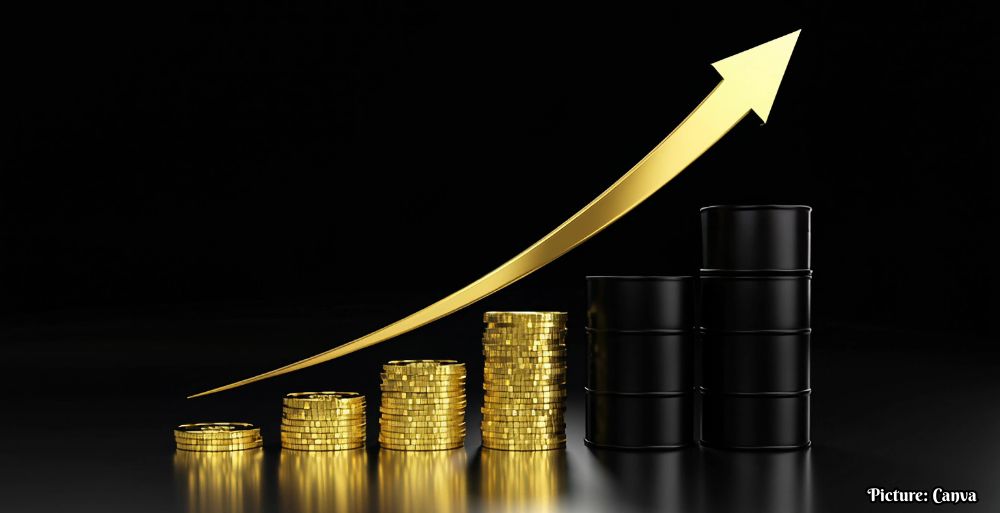
Gold prices rose significantly on Thursday, reflecting heightened investor sentiment in response to geopolitical tensions and economic indicators. As of the latest reports, gold increased by approximately 1.5%, reaching $1,925 per ounce. In contrast, oil prices saw a decline, with U.S. crude falling by 2% to around $85 per barrel.
The fluctuations in these commodity prices are closely linked to the ongoing military and diplomatic tensions between the United States and Iran, especially following a temporary halt in military strikes. This pause has alleviated some immediate concerns regarding regional instability, allowing for a slight easing of pressure on oil prices, which had been significantly affected by fears of further escalation in the conflict.
Geopolitical Context
Recent developments in U.S.-Iran relations have been characterized by a series of military actions, particularly in light of the ongoing conflict involving Israel and Hamas. The U.S. has maintained a military presence in the region, conducting airstrikes against Iranian-linked targets in response to attacks on American personnel and assets. Such actions have contributed to fluctuations in oil markets, as any potential conflict could disrupt oil supplies from the Middle East, a region that is crucial to global energy markets.
Market analysts suggest that the current pause in military action may provide temporary relief to oil prices, which had reached multi-year highs earlier this month amid rising geopolitical tensions. John Smith, an energy market analyst with Global Insights, commented, “The reduction in hostilities could lead to a more stable pricing environment for oil, though uncertainties remain.”
Federal Reserve Rate Decision
Amid these geopolitical uncertainties, investors are also closely monitoring the Federal Reserve’s upcoming decision on interest rates, scheduled for next week. The Fed faces the dual challenge of managing inflation, which remains above its target rate, while also supporting economic growth in a climate fraught with international uncertainties, including the ongoing conflict abroad.
Current consensus among economists suggests that the Fed may choose to hold interest rates steady during its next meeting. This decision is primarily influenced by concerns regarding the potential impact of global events on the U.S. economy. The current federal funds rate stands between 5.25% and 5.50%, a significant increase from the near-zero levels experienced during the height of the COVID-19 pandemic.
Sarah Johnson, chief economist at National Bank, noted, “Market participants are keenly aware of the Fed’s balancing act. Any indication from the Fed about a potential rate hike could send shockwaves through the markets, particularly in sectors sensitive to interest rate changes.”
Market Reactions
In the wake of these developments, financial markets have exhibited volatility. Stock indices have experienced fluctuations, with the S&P 500 showing slight declines as investors weigh the implications of both the Federal Reserve’s monetary policy and the evolving geopolitical landscape. The Dow Jones Industrial Average reflected similar tensions, experiencing minor losses as traders remained cautious.
Gold’s rise is often viewed as a safe-haven investment during periods of uncertainty. Historical trends indicate that in times of geopolitical strife or economic instability, investors tend to gravitate towards gold as a protective measure against potential market downturns. “Gold remains a go-to asset for investors looking to hedge against risk,” stated Michael Lee, a commodities strategist.
Implications for Global Markets
The interplay between geopolitical events and economic decisions has created a multifaceted environment for investors and policymakers alike. The implications of U.S.-Iran relations on global commodities markets cannot be overstated, particularly in light of the Middle East’s critical role in oil production and supply. Any escalation in conflict could reverberate through oil markets, driving prices up and affecting consumer costs globally.
Furthermore, the Federal Reserve’s decisions will be critical in shaping the economic landscape. With inflation pressures persisting, any changes in monetary policy could have far-reaching effects on various sectors, including housing, consumer spending, and overall economic growth.
Conclusion
As the situation evolves, particularly regarding U.S.-Iran relations and the forthcoming Federal Reserve rate decision, market participants will be watching closely for any signs of change that could impact both commodities and broader economic indicators. The current landscape presents a challenging yet intriguing scenario for investors, highlighting the interconnectedness of global events and market dynamics.
In summary, the rise in gold prices amidst declining oil prices illustrates a moment of cautious optimism among investors, driven by a pause in military actions and an eye towards forthcoming economic decisions. The delicate balance between geopolitical unrest and domestic monetary policy will continue to shape the market’s trajectory in the coming weeks.