Harvard University President Alan Garber cautions that recent federal policy changes aimed at international students threaten to undermine America’s ability to attract global talent, thereby jeopardizing the country’s leadership in research and innovation.
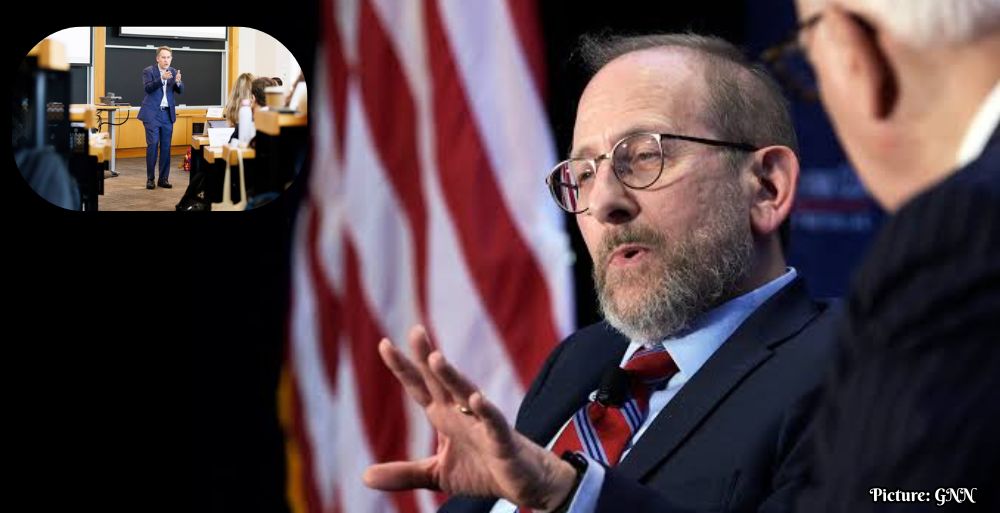
In a discussion held at The Economic Club of Washington D.C. on Thursday, Harvard President Alan Garber expressed significant concerns regarding recent federal policy changes that could impede the flow of international talent into U.S. research universities. Garber’s comments come at a time when many in the scientific community feel the nation is on the brink of major breakthroughs, yet he warned that these new policies could stifle this momentum and diminish America’s standing as a global leader in research.
Garber emphasized the vital role that international scholars play in the success of U.S. research institutions. He stated, “We are on the cusp of major, major breakthroughs,” highlighting the excitement and potential within the scientific community. However, he also pointed out that recent policy shifts could deter prospective international students and researchers from pursuing opportunities in the United States.
Impact of New Federal Regulations
One of the most significant changes discussed by Garber is a new federal rule, implemented in July 2023, which restricts the duration of stay for international students to four years without the need for further government permission. This marks a shift from previous regulations that allowed students to remain in the U.S. until the completion of their studies. This new cap presents particular challenges for Ph.D. candidates, who typically take an average of six years to complete their degrees, with many requiring additional time due to the complexities involved in their research.
Garber warned that the uncertainty surrounding visa regulations could deter international students from enrolling in U.S. graduate programs. He articulated a poignant concern: “If we send the signal that immigrants are not welcome here, we are giving up access to most of the talent in the world.” He acknowledged the talent present within the United States but stressed that the global distribution of talent necessitates a welcoming approach to international scholars to remain competitive in research and innovation.
Declining Recruitment of Postdoctoral Scholars
While Garber noted that Harvard has not lost a significant number of faculty members to institutions abroad, he reported a noticeable decline in the recruitment of postdoctoral researchers. “We are feeling this immediately when it comes to postdoctoral scholars,” Garber stated, highlighting the immediate repercussions of the federal policies on Harvard’s research capabilities. The chilling effect on postdoctoral recruitment may ultimately have long-term implications for the institution’s research output and its ability to nurture the next generation of scholars.
Federal Government Interventions and University Autonomy
Garber also addressed broader federal government interventions that have raised concerns about academic independence and First Amendment rights. Over the past 18 months, the federal government has sought to exert control over certain aspects of university governance that Garber argues could infringe upon institutional autonomy. In retaliation for Harvard’s resistance to these interventions, the federal government has threatened to withhold research funding and deny visas to international students wishing to study at the university.
These actions have been challenged in federal court, with judges blocking the enforcement of these measures. However, the appeals process is ongoing. Garber refrained from discussing specific lawsuits, instead framing the issue as one of broader significance: “This is about the relationship between the federal government and America’s universities. Research funding has been withheld in order to force agreements on issues that cross red lines regarding our autonomy.”
Broader Implications for U.S. Competitiveness
The implications of these federal policy changes extend beyond the immediate effects on student and faculty recruitment. They raise fundamental questions about the future of American leadership in global research and innovation. As universities navigate these challenges, the ability to maintain an open and welcoming environment for international scholars will be crucial for sustaining the U.S.’s competitive edge in the global academic landscape.
Garber’s remarks reflect a growing unease among higher education leaders regarding the trajectory of U.S. immigration policy and its potential repercussions on the nation’s intellectual capital. As research universities increasingly rely on diverse perspectives and expertise from around the world, the implications of these policy shifts could reverberate through industries and sectors that depend on innovative research and development.
In conclusion, as federal policies evolve, the dialogue between universities and the government will be critical in shaping the future of American research. Leaders like Garber are calling for a reevaluation of these policies to ensure that the United States remains a destination for the brightest minds globally, thereby preserving its status as a leader in scientific innovation.