Jaipur has been recognized as the sixth happiest city globally in the 2026 rankings by Time Out, reflecting its rich cultural heritage and quality of life.
The annual rankings of the world’s happiest cities for 2026, compiled by Time Out, have placed Jaipur, India, in the sixth position, marking it as the only Indian city among the top ten. This list is based on responses from over 24,000 residents worldwide who evaluated their cities on various criteria, including food, culture, green spaces, nightlife, community spirit, and overall happiness.
Ranking Details and Public Reaction
Harsh Goenka, a prominent industrialist, took to social media platform X to celebrate Jaipur’s achievement. In his post, he attributed the city’s high ranking to several factors, including “timeless heritage, vibrant rich culture and traditions, amazing food, strong community & neighborhood bonds, festivals, colors & celebrations all year, slower, livable pace & green spaces, and warm hospitality & pride in its identity.” This enthusiastic endorsement from a well-known figure highlights how the ranking is perceived as a significant cultural and economic achievement for the city.
The rankings for the top ten happiest cities in the world in 2026 are as follows:
- Bath, United Kingdom
- Panama City, Panama
- Guadalajara, Mexico
- Medellín, Colombia
- Kraków, Poland
- Jaipur, India
- Chicago, United States
- Cape Town, South Africa
- Shanghai, China
- Gothenburg, Sweden
About Jaipur
Commonly referred to as the Pink City, Jaipur is renowned for its cultural richness and urban planning. The capital of Rajasthan, it is a key destination in India’s famous Golden Triangle tourist circuit, which also includes Delhi and Agra. Established in 1727 by Maharaja Sawai Jai Singh II, Jaipur has earned UNESCO World Heritage status for its pre-colonial urban design characterized by a grid layout, stunning palaces, and impressive hilltop forts.
Jaipur’s architecture and planning reflect its historical significance and the astrological foresight of its founding ruler. The city’s layout was meticulously designed to align with the principles of Vastu Shastra, an ancient Indian science of architecture, ensuring harmony and balance in the urban environment.
Tourism and Visitor Information
October to March is considered the ideal time to visit Jaipur, when the weather is pleasantly mild, with temperatures ranging from 8°C to 32°C. Visitors are generally advised to avoid the peak summer months from May to July, as temperatures can soar above 40°C, making outdoor exploration challenging.
Among the city’s iconic landmarks are:
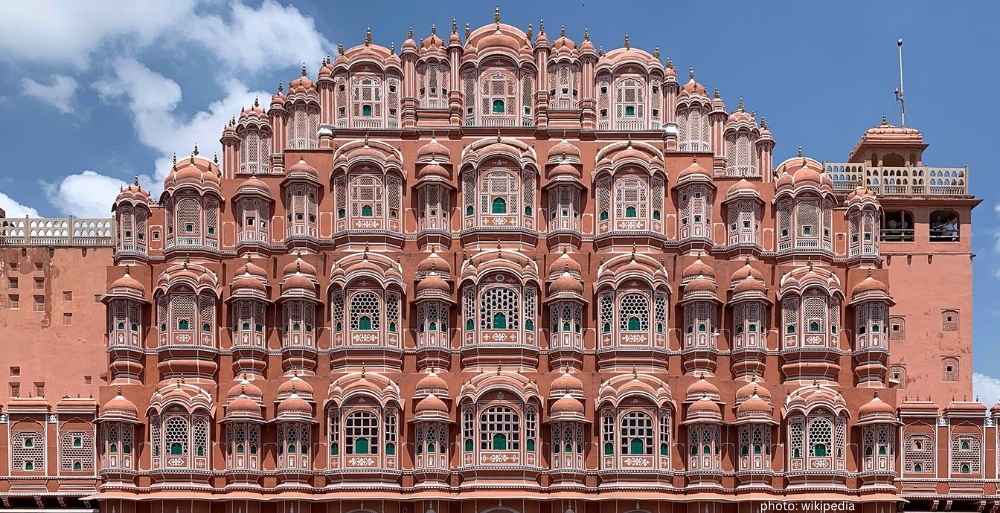
- Hawa Mahal: Known for its 953 intricate lattice windows, this structure was designed for royal women to observe street festivities without being seen.
- City Palace: A grand complex that continues to serve as a royal residence and is a significant cultural symbol of Jaipur.
- Jantar Mantar: A UNESCO World Heritage site featuring the world’s largest stone sundial, showcasing the scientific advancements of the time.
- Amber Palace: Famous for its Sheesh Mahal, adorned with mirrors that reflect light beautifully.
- Jaigarh Fort: Home to the world’s largest wheeled cannon, this fort offers insights into the city’s military history and serves as a testament to its strategic importance.
- Nahargarh Fort: This fort provides panoramic views of the city and is a popular spot for tourists seeking a picturesque backdrop.
Implications of the Ranking
Jaipur’s recognition as one of the happiest cities in the world has potential implications for its tourism sector, local economy, and community pride. As cities globally strive to enhance quality of life for their residents, Jaipur’s ranking could encourage local policymakers to continue investing in community services and infrastructure that support well-being. Improved public amenities, enhanced green spaces, and cultural events can all contribute to higher living standards and a more vibrant community life.
Moreover, the spotlight on Jaipur may attract more international tourists, further bolstering the local economy. The city’s unique blend of history, culture, and modernity makes it an appealing destination for travelers seeking enriching experiences. Increased tourism can lead to job creation and stimulate local businesses, from hospitality to artisanal crafts.
Conclusion
The ranking of Jaipur as the sixth happiest city worldwide reflects not only the city’s unique cultural and historical attributes but also its capacity to foster a high quality of life for its residents. As more people seek destinations that offer both enjoyment and satisfaction, Jaipur’s standing is likely to play a vital role in its future growth and development. The recognition serves as a reminder of the importance of community and quality of life in urban settings, encouraging other cities to follow suit and prioritize the well-being of their residents.