A pioneering force in Indian fashion, Tarun Tahiliani is set to showcase a unique presentation style at India Couture Week, emphasizing storytelling and immersive experiences over traditional runway shows.
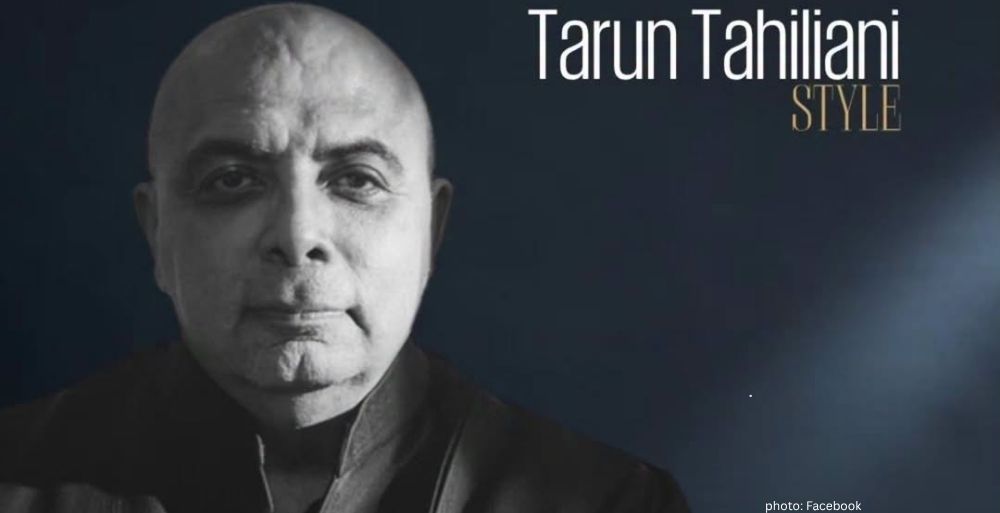
New Delhi, India – Renowned Indian fashion designer Tarun Tahiliani is making headlines once again as he prepares for his latest showcase during India Couture Week. This year, rather than adhering to the fast-paced format of traditional runway shows, Tahiliani has opted for a more immersive experience, inviting guests to engage with his creations on a deeper level. The event, titled “Navaratna,” will take place at Bikaner House, a venue rich in historical significance.
As the fashion industry continues to evolve, Tahiliani’s approach stands out not just for its aesthetic but for its emphasis on context and storytelling. The designer, who has been a pivotal figure in the Indian fashion landscape for over three decades, seeks to create a space where guests can appreciate the intricate details of his work without the usual rush associated with fashion shows.
A Shift from Traditional Runway Shows
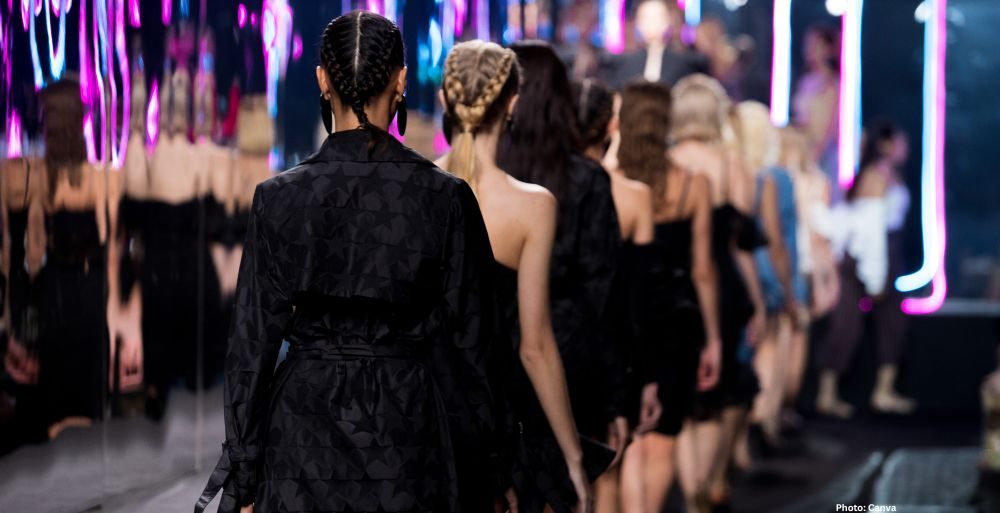
Traditionally, couture presentations are characterized by brief, high-pressure events where models showcase garments in a matter of minutes. However, Tahiliani’s Navaratna will feature only 12 outfits, displayed continuously from 5 p.m. to 8 p.m., allowing attendees to move through nine galleries filled with over 50 mannequins, multimedia installations, and projections. This innovative setup encourages visitors to take their time, inspect the garments closely, and absorb the surrounding narratives.
“The models go by at the usual fashion show and how much do you see?” Tahiliani remarked in a recent phone interview. He emphasized that the format of Navaratna allows for a more personal connection between the viewer and the clothing, enabling guests to engage with the artistry at their own pace.
Emphasizing Indian Heritage
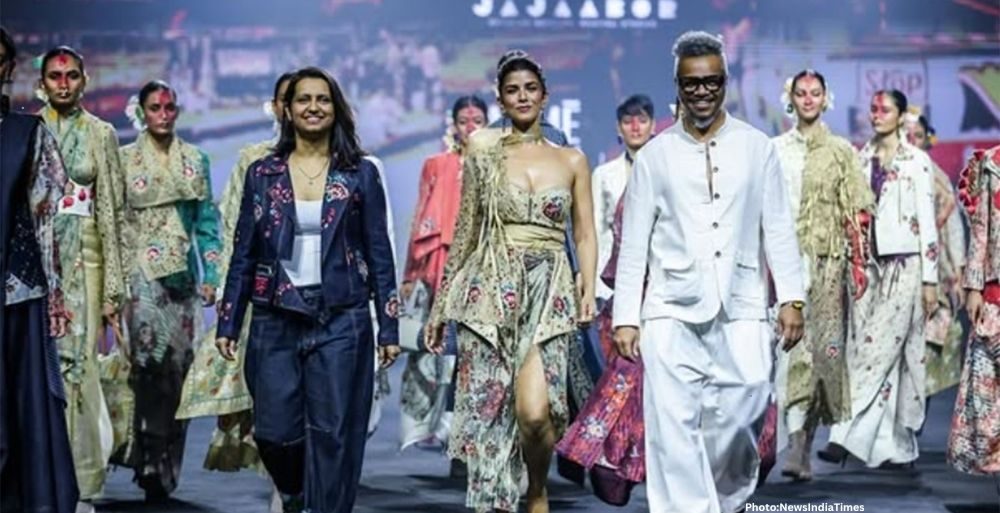
Tahiliani’s work is deeply rooted in India’s rich cultural heritage. Each collection reflects the influences of Mughal clothing, miniature paintings, and draped textiles, which he refers to as “India Modern.” This philosophy emphasizes evolution over revolution, as he explains, “We don’t have to be something we are not. We still want drape. We still want fabrics. A lot of women still want to wear a beautiful lehenga.” His designs aim to blend traditional elements with contemporary aesthetics, making them relevant for today’s fashion landscape.
At a showcase in Hyderabad earlier this year, Tahiliani highlighted the continuum of Indian fashion, noting that it has evolved through various influences, including Central Asian embroidery and British tailoring. His work strives to honor this legacy while also pushing the boundaries of modern design.
Body Positivity and Innovation
In an industry often criticized for its narrow standards of beauty, Tahiliani has long embraced body positivity. He was one of the first designers to celebrate curvaceous forms, introducing playful elements such as the “tashreef bustle,” which accentuates the hips rather than concealing them. “You can borrow it anytime you want to be super voluptuous,” he joked, highlighting his commitment to inclusive fashion.
This season, he is introducing sculptural corsets that contrast with flowing fabrics, aiming to create a harmonious balance between structure and fluidity. “You can drape beautifully on them. Almost like a stone statue,” he described, showcasing his innovative approach to garment construction.
The Intersection of Tradition and Technology
Tahiliani’s design philosophy also embraces modern technology. He has explored the use of artificial intelligence in his creative process, utilizing it for visualizing colorways and reducing material waste. However, he maintains that true creativity remains a human endeavor, stating, “Creativity, he insists, remains resolutely human.”
In addition to his clothing line, Tahiliani is expanding his brand with a new watch collection and a fragrance inspired by the scents of Mumbai’s monsoon season. “Smell has the deepest emotional connect,” he noted, indicating his desire to create a holistic sensory experience for consumers.
Avenue of Culture and Craftsmanship
The choice of Bikaner House as the venue for Navaratna is intentional, reflecting Tahiliani’s appreciation for spaces that resonate with history and craftsmanship. He has always gravitated towards locations that embody a sense of proportion and elegance, stating, “I want to be connected to my past.”
Tahiliani’s influence extends beyond his collections; he critiques the current fashion landscape, particularly the tendency of some designers to replicate rather than innovate. “The problem today is that designers keep hiring away people from my studio. Such people begin replicating and they start to look derivative,” he explained, emphasizing the importance of maintaining a unique point of view in the fashion industry.
Looking Ahead
As India Couture Week approaches, anticipation for Tahiliani’s Navaratna grows. The designer, who has consistently championed the intersection of art and fashion, promises an event that will not only showcase exquisite garments but also invite guests to participate in a narrative that celebrates Indian culture and craftsmanship. With his commitment to innovation and authenticity, Tarun Tahiliani continues to redefine what it means to be a designer in today’s evolving fashion landscape.