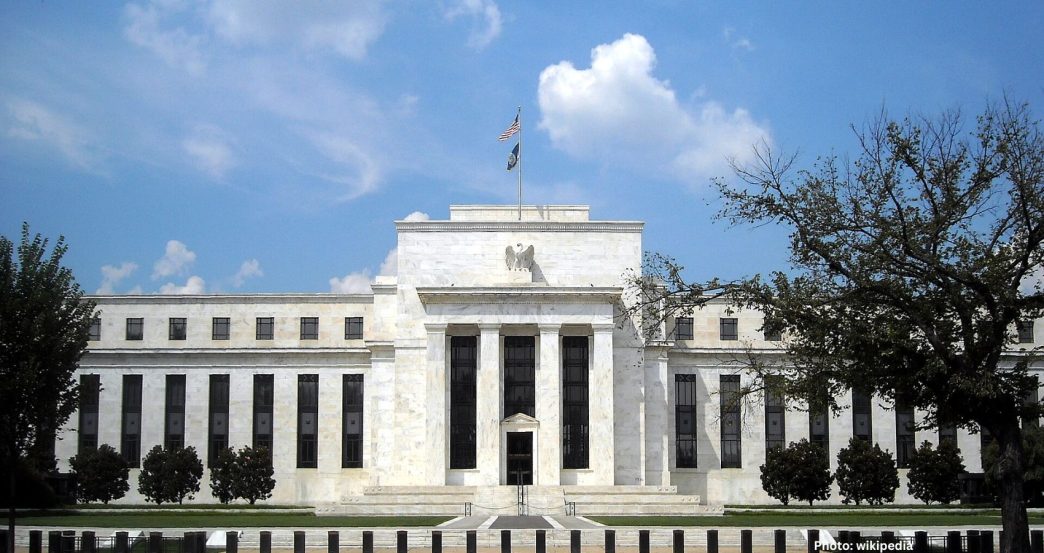
The Federal Reserve is grappling with the decision to raise interest rates as inflation persists above target levels, prompting critical discussions about monetary policy adjustments.
The Federal Reserve is poised for a significant meeting on July 27, 2023, as economic indicators suggest an urgent need to reassess its monetary policy in light of ongoing inflationary pressures. With inflation rates remaining stubbornly above the Federal Reserve’s target of 2%, the central bank’s policymakers are weighing the necessity and timing of a potential interest rate hike.
Current Economic Indicators
Recent economic data underscores the complexities the Federal Reserve faces. The Consumer Price Index (CPI) reported a year-over-year increase of 4.9% in May 2023, a slight decrease from the 5.0% seen in April, yet still significantly higher than historical averages. The core CPI, which excludes the more volatile categories of food and energy, showed an increase of 5.5%, indicating persistent inflation that may require intervention. This sustained inflation reflects broader economic dynamics that have evolved since the pandemic, marking a departure from the deflationary pressures that characterized much of the preceding decade.
Simultaneously, the labor market remains robust, with the unemployment rate holding steady at approximately 3.6%, according to the Bureau of Labor Statistics. Initial jobless claims have remained low, suggesting a resilient job market despite potential challenges ahead. This strength in employment may lead to wage increases, which in turn could further exacerbate inflation if not managed through appropriate monetary policy measures.
Potential Rate Hike Discussion
In light of these economic conditions, analysts are anticipating that the Federal Reserve may raise the federal funds rate by 25 basis points during the upcoming meeting. The current rate stands at a range of 5.00% to 5.25%, following a series of aggressive rate hikes aimed at tempering inflation. This prospective increase would mark the first adjustment since the Fed opted to pause its rate hikes earlier this year, reflecting a strategic pivot in response to evolving economic realities.
Opinions among economists and financial analysts are divided regarding the urgency of a rate hike. Some experts argue that the existing inflation trajectory does not necessitate immediate action, emphasizing the potential risks to economic growth that could arise from higher borrowing costs. Conversely, others caution that delaying action could entrench inflation expectations among consumers and businesses, complicating future policymaking and potentially leading to more drastic measures down the line.
Historical Context and Precedents
The Federal Reserve’s historical approach to interest rate adjustments illustrates the delicate balance it must navigate. During the late 1970s and early 1980s, under Chairman Paul Volcker, the Fed implemented aggressive rate hikes to combat rampant inflation, ultimately stabilizing the economy but also triggering a recession. This historical precedent looms large over current discussions, as the Fed’s decision-making processes are influenced by the lessons learned from past monetary policy strategies.
In contrast, the aftermath of the 2008 financial crisis ushered in an era of low interest rates, aimed at stimulating economic recovery. This prolonged low-rate environment contributed to asset bubbles and eventually set the stage for the inflationary challenges now confronting the economy in the post-pandemic landscape.
Market Reactions and Economic Implications
As the July meeting approaches, financial markets are reacting to the Fed’s communications and economic data releases with heightened volatility. Stock markets have shown fluctuations in response to inflation reports and statements from Fed officials. A decision to raise interest rates could lead to significant market reactions, affecting equity valuations and bond yields. Investors are particularly attuned to the Fed’s forward guidance, which will provide insight into the likelihood of future rate increases beyond the immediate meeting.
Consumer sentiment remains a critical variable in this equation. Rising interest rates can impact consumer spending, particularly in sectors sensitive to borrowing costs, such as housing and automobiles. A slowdown in consumer spending could have ripple effects throughout the economy, prompting the Fed to reassess its approach if necessary. The balance between curbing inflation and supporting economic growth presents a formidable challenge for policymakers.
Conclusion and Future Outlook
As the Federal Reserve prepares for its upcoming meeting, the decision to raise interest rates will be informed by a complex interplay of inflation trends, labor market dynamics, and broader economic indicators. The implications of this decision will resonate across financial markets and influence economic activity in the coming months. Policymakers face a critical juncture, navigating the delicate balance between fostering economic stability and addressing persistent inflationary pressures, all while being mindful of the historical context that informs their choices.