Iran’s Islamic Revolutionary Guard Corps has claimed responsibility for an attack on Amazon’s data infrastructure in Bahrain amid escalating tensions in the region.
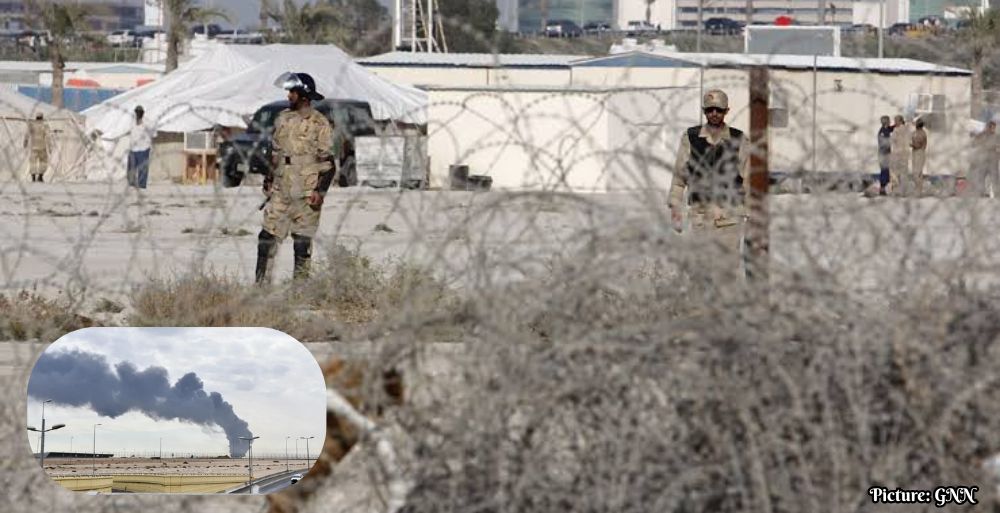
Manama, Bahrain – In a significant escalation of hostilities, Iran’s Islamic Revolutionary Guard Corps (IRGC) announced on Tuesday that it has launched an attack on the data infrastructure of Amazon in Bahrain. This assertion was reported by Fars News Agency, which is affiliated with the IRGC, stating that several cruise missiles were used in the assault, resulting in the destruction of the facility.
CNBC has noted that it could not independently verify these claims. The news outlet has reached out to both the National Communication Center of Bahrain and Amazon for official comments regarding the incident, but responses are pending.
The announcement comes amid heightened tensions between the United States and Iran, particularly following U.S. President Donald Trump’s declaration that the ceasefire with Iran had ended. In the days leading up to the IRGC’s announcement, both nations had engaged in military strikes that have intensified the ongoing conflict.
Background of Hostilities
Since the resumption of hostilities, which escalated around late February, U.S. Central Command has conducted consecutive airstrikes targeting Iranian military capabilities. The U.S. military stated that these operations aim to degrade Iran’s abilities to threaten commercial shipping in the strategically vital Strait of Hormuz.
Reports indicate a marked decline in maritime traffic through the Strait of Hormuz, a critical waterway for global oil shipments. According to analysts from Lloyd’s, the number of ships transiting the strait has seen a significant drop, with only 30 vessels reported to have passed through over the weekend, compared to over 100 ships that routinely navigated the strait daily before the renewed hostilities began.
In addition to the military actions, oil prices have surged as a direct consequence of the conflict, with the international benchmark Brent crude exceeding $90 per barrel for the first time in over a month. The U.S. Energy Information Administration estimates that approximately 20.3 million barrels of oil flow through the Strait daily, which constitutes about 25% of the world’s seaborne oil trade.
Impact on Commercial Shipping and Technology Sector
The IRGC’s threats against U.S. tech companies operating in the Middle East, including giants like Amazon, Nvidia, Apple, Microsoft, and Google, have raised alarms within the tech industry. Earlier this year, drone strikes targeting Amazon Web Services’ data centers in the United Arab Emirates resulted in service outages, highlighting the vulnerability of technology infrastructure in the region amidst geopolitical strife.
Moreover, Iranian strikes on commercial vessels have led to increased maritime risks. A recent incident involved a vessel operated by the Greek shipping firm Dynacom, which reportedly caught fire following an attack in the Strait of Hormuz.
Regional and Global Consequences
The situation remains precarious, as the U.S. has vowed to retaliate for attacks that have resulted in the deaths of American servicemen. President Trump has emphasized that Iran “will pay” for its actions, indicating a potential escalation in military responses.
In light of the escalating conflict, regional mediators, including Qatar and Pakistan, have proposed a temporary ceasefire. However, reports suggest that the U.S. administration is preparing for the possibility that negotiations may not yield a resolution.
Analysts have characterized the current situation as a contained but expanding cycle of escalation, with few favorable options available to U.S. policymakers. Clemens Chay, a senior fellow for geopolitics, noted that the U.S. faces a dilemma: continue to endure Iranian provocations, escalate military responses despite regional opposition, or consider negotiating concessions.
Threats to Global Oil Supply
The ongoing conflict has prompted concerns over potential disruptions in global oil supply. Houthi militants have declared a maritime embargo against Saudi Arabia, further complicating the situation. The Bab el-Mandeb Strait, another crucial chokepoint for commercial and oil traffic, is at risk as the Houthis have threatened to close it amid the U.S.-Iran conflict.
In response to the disruptions in the Strait of Hormuz, Saudi Arabia has redirected oil exports through a pipeline to an export terminal on the Red Sea. However, a closure of the Bab el-Mandeb Strait would significantly exacerbate the already delicate situation, potentially leading to severe implications for global oil markets.
As tensions continue to mount, the international community watches closely, aware that the conflict’s trajectory could have far-reaching consequences for both regional stability and global economic conditions.