The Indian rupee has weakened to its lowest level in two months due to climbing oil prices driven by escalating tensions in the Middle East, despite interventions by state-run banks aimed at stabilizing the currency.
MUMBAI, July 20 (Reuters) – The Indian rupee declined to its weakest level in two months on Monday, closing at 96.4575 per dollar, down 0.2% from its previous session. This marks the rupee’s lowest value since May 21, inching closer to its all-time low of 96.96, also recorded in May. The currency’s depreciation is primarily linked to rising global oil prices, which have surged as a result of ongoing conflicts in the Middle East.
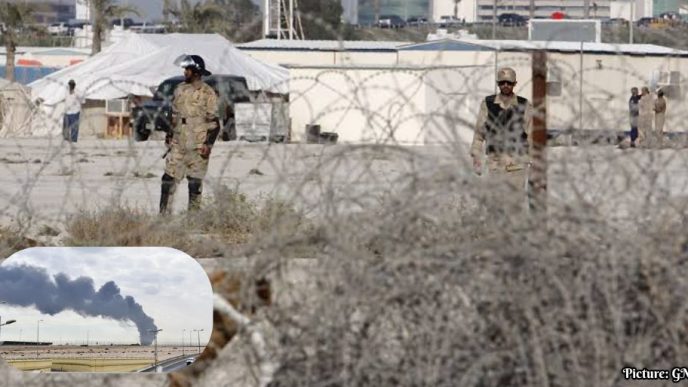
During Asian trading hours, Brent crude futures increased by 2.5%, reaching $90.3 per barrel. This price spike follows a series of U.S. military actions against Iran, which have intensified after the collapse of an interim ceasefire agreement last month. The U.S. government reported that at least two American military personnel were killed in Jordan, further escalating tensions in a region already characterized by instability.
Global Oil Market Dynamics
The military actions are part of a broader and escalating cycle of attacks between the United States and Iran, which have significant implications for global oil markets. Analysts at Goldman Sachs have warned that continued attacks targeting oil infrastructure could push prices back toward the $100 per barrel threshold, a level previously witnessed during the most intense phases of conflict. Such a scenario would have direct repercussions for oil-importing nations like India.
India’s heavy reliance on oil imports—approximately 90% of its consumption—means that rising oil prices carry serious economic ramifications. An increase in energy import costs can adversely affect the country’s current account balance and lead to broader macroeconomic instability. Higher oil prices tend to dampen foreign portfolio flows into India, as investors grow more concerned about inflationary pressures and the potential for slower economic growth impacting equity markets.
Market Reactions and Economic Indicators
On the same day, India’s benchmark equity index, the Nifty 50, fell by 0.5%, signaling growing investor anxiety regarding the economic consequences of rising oil prices. Additionally, the yield on the 10-year sovereign bond rose by 3 basis points, reflecting increased market apprehension over inflation and growth prospects as oil prices continue to climb.
Despite these challenges, the rupee’s decline was somewhat cushioned by interventions from state-run banks, which engaged in dollar sales to stabilize the currency. Traders noted that this intervention follows a pattern observed in recent trading sessions, where the Reserve Bank of India has taken steps to prevent a more significant fall in the rupee’s value. Given the current global financial climate, such measures are critical for stabilizing the currency in the face of volatility.
Geopolitical Context and Future Implications
The geopolitical landscape surrounding oil production and distribution is complex, with the ongoing tensions between the U.S. and Iran playing a crucial role in shaping market dynamics. Any further escalation in military actions could lead to heightened volatility in oil prices, which in turn would impact the Indian economy. Analysts emphasize that sustained high oil prices could strain India’s fiscal position and economic growth, underscoring the need for policymakers to closely monitor the situation.
As geopolitical tensions evolve, the performance of the Indian rupee is likely to remain closely linked to fluctuations in oil prices and broader economic indicators. Investors and analysts will be monitoring any significant developments that could further influence both the currency and the Indian economy. While the Reserve Bank of India’s interventions may provide temporary relief, the underlying risks associated with high oil prices and geopolitical instability persist.
Additionally, the Indian government faces the challenge of balancing economic growth with inflation concerns. High oil prices not only affect the trade balance but also contribute to rising inflation, which can erode purchasing power and dampen consumer spending. As a result, the central bank may face pressure to adjust monetary policy in response to rising prices, further complicating the economic landscape.
Conclusion
In summary, while state-run banks have played a role in cushioning the rupee’s decline, the currency remains vulnerable to external shocks. The ongoing situation in the Middle East will be a critical factor for the Indian economy, particularly as it navigates the challenges posed by rising oil prices and their implications for inflation and growth. The interplay between geopolitical events and economic indicators will continue to shape the outlook for the Indian rupee and the broader economy in the coming months.