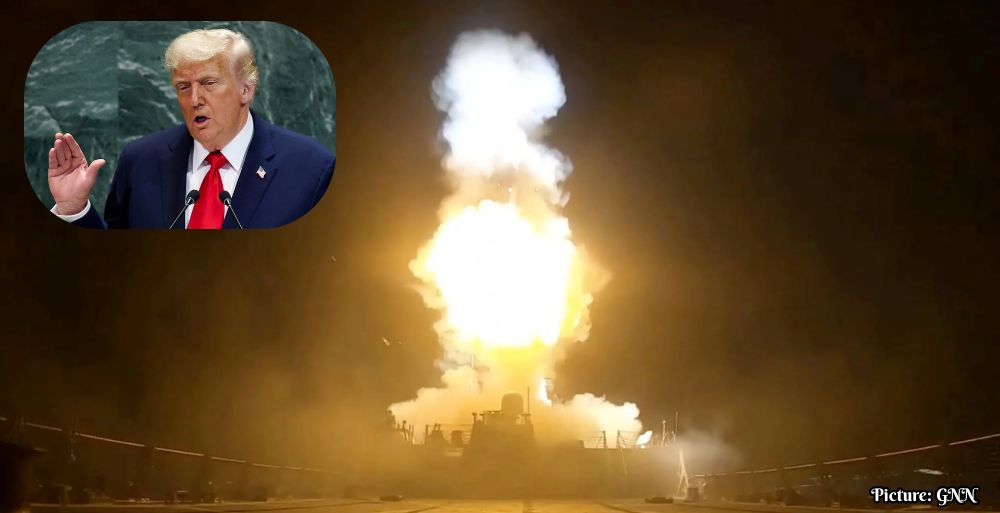
The recent escalation of military actions between the United States and Iran has resulted in significant civilian casualties and heightened tensions in the Middle East, following US airstrikes on Iranian infrastructure.
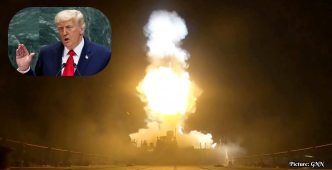
The ongoing conflict between the United States and Iran has intensified dramatically following a series of military strikes that targeted civilian infrastructure in Iran. Reports from Iranian state media indicate that US airstrikes focused on several key sites, including bridges, a railway station, and a port facility in southern Iran. This military action has resulted in the deaths of at least eight individuals and injuries to twenty others, according to the Iranian health ministry.
The US strikes, which occurred on Friday, targeted six bridges and a control tower at the Chabahar port, a crucial hub for Iran’s maritime activities. Additionally, the Iranshahr airport was reportedly hit during the operation. The strikes are part of a broader US campaign aimed at crippling Iran’s military capabilities and deterring its regional influence amid ongoing tensions exacerbated by Iran’s activities in the Gulf region.
Iran’s Response
In retaliation, Iran’s Islamic Revolutionary Guard Corps (IRGC) launched attacks on nations hosting US military bases, including Kuwait, Bahrain, Jordan, and Qatar. The IRGC issued a warning of “more crushing” responses if the US continued its strikes on Iranian infrastructure. Iranian officials claim to have targeted US military assets, asserting that they successfully hit American fighter jets and tankers stationed in Jordan, resulting in significant damage, although the US has not confirmed these claims.
On the ground in the region, Kuwaiti military officials reported that one of their power and water desalination plants was attacked by Iranian forces, leading to a fire and damage to the facility. Meanwhile, the Jordanian military stated that it intercepted three incoming missiles launched from Iran, underscoring the immediate threat posed by the ongoing military exchanges. These developments indicate a rapidly escalating conflict that threatens to destabilize the entire region.
Domestic Implications in Iran
In response to the airstrikes on its energy infrastructure, Iran’s energy ministry has urged the public to reduce electricity consumption. The ministry’s statement suggested that citizens turn off air conditioning units during peak hours to alleviate pressure on the power grid, which is currently strained due to extreme heat and the impact of the US strikes on energy facilities. The heat has exacerbated existing challenges in Iran’s energy sector, underscoring the vulnerability of the country’s infrastructure amid escalating military operations.
As the situation escalates, the IRGC has declared that its military operations will continue until stability is restored in the southern coastline and the critical Strait of Hormuz, a vital passage for global oil shipments. This statement raises concerns about the potential for further military engagements in the Gulf region and the implications for international shipping and oil markets. The Strait of Hormuz is a crucial chokepoint through which approximately 20% of the world’s oil passes, and any disruption could lead to significant fluctuations in global oil prices.
International Reactions and Concerns
The international community is closely monitoring the developments, with rising oil prices reflecting the heightened tensions. Brent crude, a global benchmark, has increased by 1.8% to $85.72 per barrel amidst fears of supply disruptions caused by the conflict. Analysts suggest that continued military actions could lead to a more severe crisis affecting not just regional but global energy markets.
Prime Minister Masrour Barzani of Iraqi Kurdistan condemned the Iranian attacks, labeling them as unjustified and calling for the Iraqi federal government and the international community to intervene to halt the escalation. His statement highlights the broader regional implications of the conflict, as neighboring countries grapple with the fallout from Iran’s military actions. The complexity of these relationships indicates that any military escalation could involve multiple regional actors, further complicating the situation.
Additionally, the UK Maritime Trade Operations (UKMTO) reported an incident involving a tanker and military forces off the coast of Oman, indicating ongoing military activity in the region. UKMTO did not provide further details but confirmed that investigations are underway. This incident raises alarms about maritime security and the safety of commercial shipping operations in the Gulf, which could be disrupted by military activities.
Potential Legal Implications
Human rights experts have raised concerns regarding the legality of targeting civilian infrastructure that is not being used for military purposes, suggesting that such actions could constitute war crimes. This perspective adds a layer of complexity to the conflict, as both sides navigate the legal implications of their military strategies. The potential for accountability in international law remains uncertain, as both the US and Iran pursue military objectives that risk civilian lives and infrastructure.
The situation remains fluid as both the US and Iran demonstrate a willingness to escalate military actions. The potential for further retaliatory strikes and the involvement of regional allies raises significant concerns about the stability of the Middle East and the safety of international shipping routes. As the conflict unfolds, the implications for regional security, energy markets, and international diplomatic relations will continue to evolve, necessitating close attention from global leaders and policymakers.