
Yoga offers effective techniques for addressing lower back pain, an issue affecting a significant portion of the global population. This article explores five specific poses that can help alleviate discomfort through targeted stretching and strengthening.
Lower back pain is a widespread issue, impacting nearly 10 percent of the global population, as reported by the World Health Organization (WHO) in 2020. This common ailment can stem from various factors, including lifestyle choices, physical conditions, and psychological stress. The WHO estimates that nearly everyone will experience some form of lower back pain at least once in their lifetime, underscoring its prevalence and potential to affect daily life.
The causes of lower back pain are multifaceted. Many individuals may find themselves suffering from this discomfort due to sedentary lifestyles characterized by prolonged periods of sitting, particularly in positions that place strain on the lumbar region. Additionally, improper lifting techniques, such as bending at the waist rather than the knees, can lead to injury. Other physical factors contributing to lower back pain include tight hip flexors, hamstrings, shoulders, and weak glutes. Stress, both physical and emotional, can exacerbate these issues, leading to increased tension in the back.
In response to this widespread problem, yoga has emerged as a holistic approach to alleviate lower back pain. By promoting flexibility and strengthening the muscles surrounding the lumbar region, yoga provides a means of addressing both the symptoms and underlying causes of discomfort. However, it is crucial to recognize that a singular yoga pose cannot resolve all back pain, given its varied causes. Instead, a combination of targeted poses can facilitate relief and promote overall back health.
Precautions for Practicing Yoga
Before beginning a yoga practice aimed at relieving lower back pain, individuals with pre-existing conditions—such as herniated discs or severe spinal injuries—are encouraged to consult with a healthcare professional. It is essential to approach these poses with caution. Participants should be attentive to their bodies; if any pose induces pain beyond a mild stretch, it is advisable to discontinue that posture immediately. The goal of yoga is to support the body and promote healing, not to impose further strain.
1. Bridge Pose
Bridge Pose is a gentle inversion that focuses on lifting the hips to provide relief to the lower back. This posture strengthens the core, glutes, thighs, and mid-to-upper back while also promoting improved posture. By encouraging a more upright alignment, Bridge Pose can alleviate slouching, a common contributor to lower back discomfort.
2. Triangle Pose
Triangle Pose requires full-body awareness, activating the core and opening the chest, hips, and shoulders. This pose stretches the hamstrings and loosens the spine, effectively relieving built-up tension around the lower back. Over time, consistent practice of Triangle Pose can lead to improved back health and a reduction in pain.
3. Seated Forward Bend
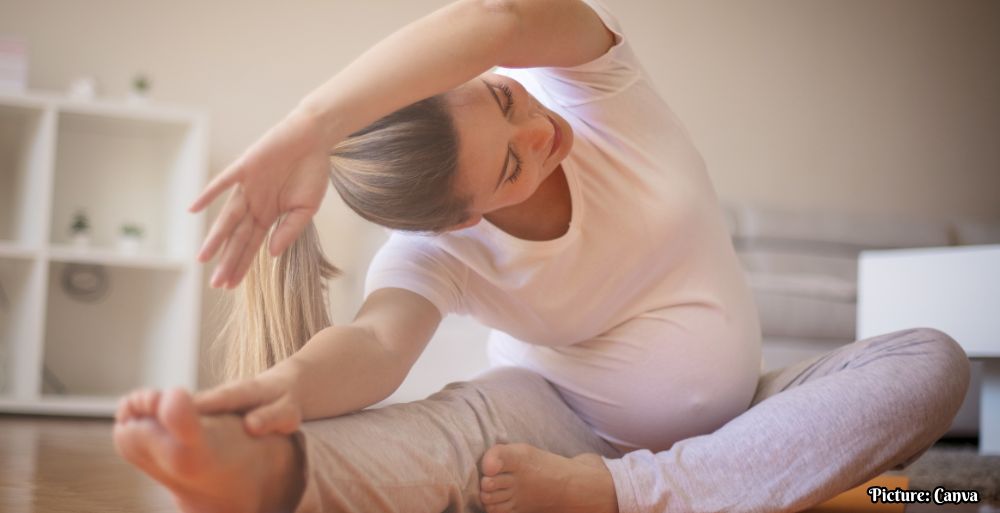
The Seated Forward Bend is particularly effective in stretching the hamstrings, which can help alleviate tightness throughout the body. This pose also releases tension in the hips and lower back, making it a valuable addition to a routine aimed at reducing discomfort. Practitioners are encouraged to fold over their legs as much as is comfortable, with the option to bend their knees for an effective modification.
4. Pigeon Pose
Pigeon Pose is renowned for its ability to open the hips, but it also plays a critical role in alleviating lower back tension. Tight hips, often the result of prolonged sitting, can lead to compensatory strain in the lower back. By opening the hips, Pigeon Pose fosters better alignment and support for the lumbar region, promoting overall spinal health.
5. Cobra Pose
Cobra Pose serves as a counterbalance to the hunching that many individuals experience from daily activities, such as working at a computer or driving. This gentle backbend opens the chest and can alleviate stress and strain in both the upper and lower back. Incorporating Cobra Pose into a regular practice can help counteract the effects of a sedentary lifestyle.
In conclusion, the five yoga poses outlined above can significantly contribute to alleviating lower back pain by targeting the muscles that influence this area. By fostering flexibility and strength, these practices can offer long-term relief and improve overall spinal health. Practitioners are advised to remain attuned to their bodies, modify poses as necessary, and seek professional guidance when required.
Calin Van Paris, an editor at Yoga Journal, has a rich history in beauty and wellness journalism, including a decade of experience with Vogue and contributions to other notable publications such as Bustle and Well+Good. Currently pursuing her RYT-200 certification, she enjoys exploring nature and enriching her knowledge through reading, further enhancing her expertise in wellness and holistic practices.