FBI Director Kash Patel is under scrutiny for allegedly violating legal constraints by publicly sharing details of an ongoing investigation into a plot to attack a UFC event, raising concerns about the integrity of federal law enforcement procedures.
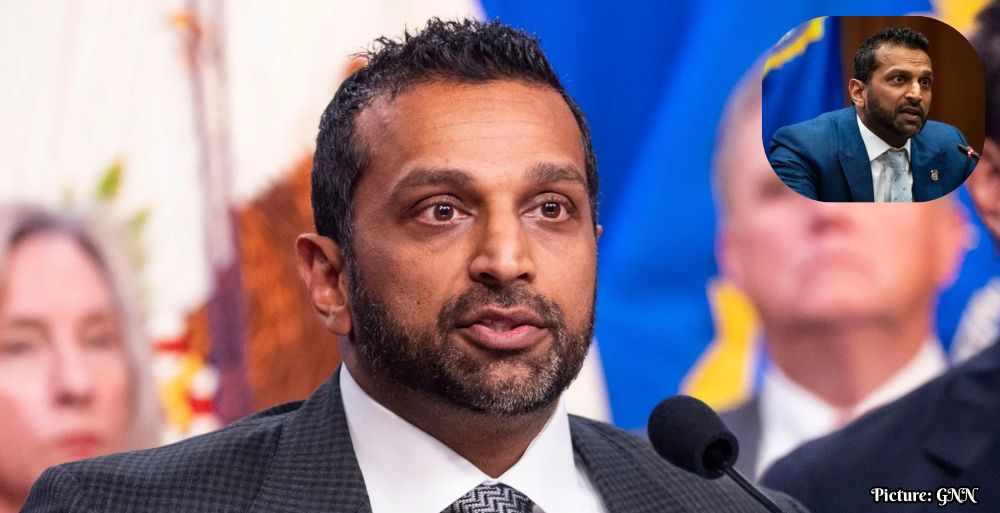
Kash Patel, the director of the FBI, is facing criticism for apparently disclosing sensitive information about an ongoing investigation into a foiled plot targeting the Ultimate Fighting Championship (UFC) event held at the White House. The disclosure, made via social media, has raised questions about Patel’s compliance with legal protocols and the FBI’s internal disciplinary standards.
On June 16, two days after a significant UFC event, Patel tweeted that five individuals had been arrested for allegedly planning an attack involving drones and explosives. He praised the collaborative efforts of the FBI and the Department of Justice, emphasizing the rapid response of law enforcement to prevent a potential mass casualty event. However, sources within the FBI have claimed that the investigation was still active at the time of Patel’s announcement, which may have compromised the ongoing efforts to apprehend additional suspects.
Legal Implications of Sealed Investigations
Reports indicate that the inquiry into the plot was sealed by court order, which restricts public disclosure of its details. According to federal law, information related to sealed cases cannot be publicly shared without explicit court authorization. While exceptions do exist, they require formal approval that was not obtained in this instance.
Lauren Anderson, a former FBI counter-terrorism official, stated that Patel’s actions could lead to significant legal repercussions, including potential sanctions from the court for violating the sealing order. “Theoretically, the court could issue sanctions. They could ensure contempt citations. It’s a very serious thing,” Anderson remarked, highlighting the gravity of Patel’s breach of protocol.
Professional Conduct and Trust Issues
FBI insiders have expressed concerns that Patel’s tendency to publicize details of ongoing investigations could harm the agency’s credibility and its relationships with other law enforcement organizations, such as the Secret Service. Matt Quinn, the deputy director of the Secret Service, indirectly criticized Patel’s actions by stressing the importance of maintaining the integrity of ongoing investigations. Quinn emphasized that the Secret Service had chosen not to disclose information to protect the investigation’s integrity.
Furthermore, Anderson pointed out that other FBI employees, whether junior or senior, would likely face severe consequences for similar conduct. “If I had chosen to release that information in any way, shape, or form, never mind on social media, that would have brought anything from a reprimand to a full investigation,” she said, indicating a double standard in the enforcement of FBI protocols.
Impact on Future Investigations and Prosecutions
Critics have raised concerns that Patel’s premature announcements could have lasting implications for future prosecutions. Experts warn that his actions might provide defense attorneys with grounds to challenge the prosecution’s case, potentially undermining the integrity of the judicial process. Anderson noted that such disclosures create substantial downstream issues, raising the stakes for the FBI’s credibility and effectiveness in handling sensitive cases.
Despite the backlash, an FBI official dismissed claims that the investigation was compromised due to Patel’s social media post. “Any suggestion the investigation was compromised is totally false,” stated the official, who confirmed that arrests continued to be made and that the investigation remained active.
History of Controversial Announcements
This incident is not the first time Patel has faced scrutiny for his communication strategies. In previous cases, including the high-profile murder of conservative activist Charlie Kirk and a shooting at Brown University, Patel has been criticized for making premature announcements. In both instances, individuals initially detained were later released without charges, prompting questions about the accuracy and timing of his statements.
In defense of his actions, Patel has argued that he aims to promote transparency within the FBI. He stated, “Could I have worded it a little better in the heat of the moment? Sure. But do I regret putting it out? Absolutely not.” He maintains that communicating updates is crucial for public awareness, particularly during high-stakes investigations.
Concerns for Community Safety
Former FBI counterintelligence analyst Philip Field expressed alarm over Patel’s conduct, suggesting that it risks creating a false sense of security among the public. “One of the big dangers is that you’ve now created a false sense of security within the community,” Field said, warning that such disclosures can mislead the public regarding the safety of their environments during ongoing threats.
Field criticized Patel’s approach as a departure from the discreet traditions observed by previous FBI directors, underscoring a potential danger not only to investigations but also to public safety. He concluded, “Kash Patel doesn’t care. His goal is to make himself look good.”
The unfolding situation highlights a broader debate within law enforcement regarding the balance between transparency and operational integrity, particularly in high-stakes investigations where public safety is at risk.