Despite a decrease in crude oil prices nearing pre-war levels, gasoline prices continue to be significantly higher, prompting criticism of the oil industry and raising concerns for consumers.
As oil prices approach pre-war levels following a memorandum of understanding (MOU) between the United States and Iran aimed at de-escalating conflicts in the region, gasoline prices in the United States remain elevated. This discrepancy has led to public frustration, particularly directed at major oil companies, despite analysts attributing the slow decline in gasoline prices to local gas station owners.
On Friday, West Texas Intermediate crude oil was trading at approximately $69 per barrel, nearing its pre-war price of about $67. In sharp contrast, the national average price for gasoline was approximately $3.90 per gallon, reflecting a nearly $1 increase from late February. This situation has sparked significant debate regarding the pricing strategies of fuel retailers.
Context of Rising Oil Prices
The surge in oil prices can be traced back to the ongoing conflict with Iran, particularly after the nation effectively closed the Strait of Hormuz, a crucial shipping route that accounts for about 20% of global oil consumption. The MOU between the U.S. and Iran seeks to facilitate the free passage of ships through this strategic waterway, yet recent actions by Iran, including firing on a vessel it claimed was not following proper routes, indicate challenges in maintaining this agreement. The U.S. response involved military action against Iran, further complicating the geopolitical landscape.
Industry Perspectives on Pricing Dynamics
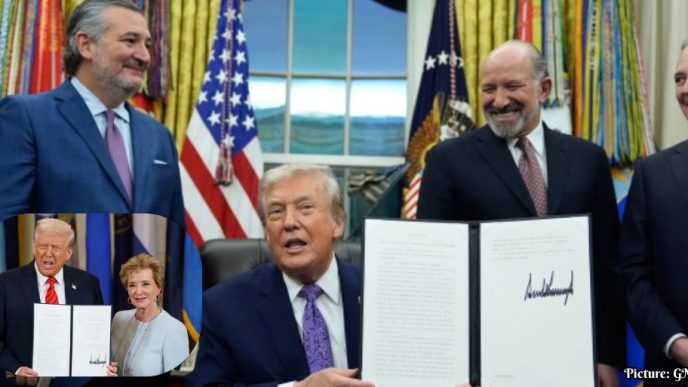
Amidst rising public discontent, President Donald Trump criticized the oil industry for what he characterized as price gouging, stating, “The big Oil Companies are not dropping their price at the pump commensurate with the sharply lower prices they are paying for Oil.” He has called for the Department of Justice to investigate these pricing practices, suggesting that consumers are being unfairly charged at the pump.
However, industry experts argue that the public’s ire may be misdirected. Andy Lipow, president of Lipow Oil Associates, highlighted that major oil companies own less than 5% of gas stations and that local station owners are primarily responsible for setting retail prices. “Their anger is misplaced,” Lipow stated, emphasizing that local owners are reaping significant profits while consumers bear the brunt of inflated prices.
Rob Smith, director of global fuel retail at S&P Global Energy, noted that retail gasoline prices typically increase rapidly but decline at a much slower pace. “There’s an adage that retail prices ‘rise like a rocket, fall like a feather,’” he explained, pointing out that while crude prices rose sharply at the war’s outset, retail prices did not follow suit at the same rate.
Factors Influencing Gasoline Prices
Several factors contribute to the persistence of high gasoline prices, including low corporate gasoline inventories and high demand, as noted by Claudio Galimberti, chief economist at Rystad Energy. With the onset of the summer driving season, demand has surged, while global inventories have been depleted due to disruptions caused by the conflict. Galimberti stressed that “inventories have been going down everywhere in the world,” exacerbating the pricing issues.
The American Petroleum Institute (API) also responded to Trump’s claims, stating that gasoline prices do not move in direct correlation with crude oil prices, particularly during major global disruptions affecting supply and refinery operations. API spokesperson Bethany Williams asserted that the complexities of the market prevent a straightforward relationship between crude oil pricing and retail gasoline prices.
Impact on Consumers
As gasoline prices remain high, the economic impact on low- and middle-income Americans is significant. Mark Wolfe, executive director of the National Energy Assistance Directors Association, noted that an additional $100 in monthly energy costs can strain budgets for families living paycheck to paycheck. Wolfe highlighted that lower-income households may resort to taking on credit card debt to cover increased fuel costs, while middle-income families might cut back on discretionary spending, affecting local businesses.
Industry representatives emphasize the fragmented nature of the U.S. retail gasoline market, with approximately 55% of gas stations being single-location operators. This fragmentation complicates any coordinated pricing strategy among retailers, making it unlikely that price gouging is occurring on a large scale.
As the situation develops, consumers will continue to watch closely for changes in gasoline prices in relation to the fluctuations in crude oil markets, especially as the summer driving season progresses and geopolitical tensions persist.