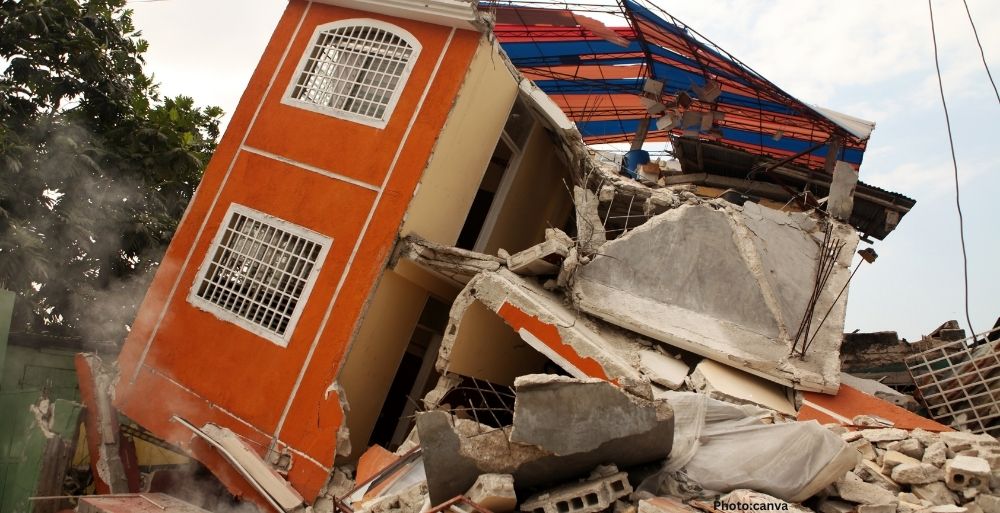
The recent twin earthquakes in Venezuela have resulted in significant loss of life and widespread destruction, prompting domestic and international responses for humanitarian aid and rescue efforts.
On June 24, 2026, two powerful earthquakes struck Venezuela, measuring 7.1 and 7.5 on the Richter scale, resulting in at least 164 fatalities and injuring over 971 individuals, according to Acting President Delcy Rodríguez. These seismic events, occurring within about a minute of each other, are among the strongest earthquakes to hit Venezuela in more than a century, causing extensive damage across the country and prompting a state of emergency declaration.
Impact of the Earthquakes
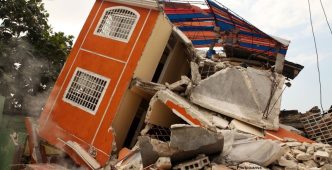
The earthquakes primarily affected the capital city of Caracas, where buildings collapsed and residents were forced to evacuate. The tremors were felt in cities far from the epicenter, including parts of Brazil’s Amazon region, approximately 1,700 kilometers (1,050 miles) from Caracas. The Simón Bolívar International Airport, Venezuela’s main airport, sustained damage and was temporarily closed, disrupting air travel and emergency response efforts.
In Caracas, numerous structures were impacted, leading to power outages and disrupted communication, which exacerbated the already dire situation for many families. The Ministry of Education announced the cancellation of school classes for several days, with some school buildings repurposed as shelters and donation centers for those affected. Interior Minister Diosdado Cabello emphasized the urgency of the situation, urging residents to remain calm and cooperate with emergency services.
International Response and Aid
In the wake of the disaster, several countries and organizations pledged support for humanitarian assistance. The United Nations, through its Under-Secretary-General for Humanitarian Affairs, Tom Fletcher, stated that the organization is “fully mobilized” to aid Venezuela and emphasized that the response would require “massive collective efforts.” Fletcher communicated with Rodríguez to assess the urgent needs of the affected population.
In a show of solidarity, Pope Leo XIV announced an initial emergency aid contribution of €100,000 (approximately $114,000) from the Vatican to support relief efforts in Venezuela. Additionally, France’s President Emmanuel Macron confirmed the immediate deployment of an 85-member rescue team specializing in search and clearance operations to assist in recovery efforts.
The United States, led by Secretary of State Marco Rubio, pledged a “whole-of-government” response, describing the U.S. efforts as “big, fast, and effective.” Rubio highlighted that the Department of War would play a significant logistical role in delivering aid. The response from the U.S. has been characterized by a commitment to provide search and rescue teams, medical resources, and humanitarian assistance immediately.
Other countries, including Spain, Germany, and the Netherlands, also mobilized resources. Spain prepared to send a rescue team of 54 army personnel, while Germany offered six military transport planes to facilitate relief efforts. The Netherlands allocated around €2 million to deploy a specialized rescue team equipped with search dogs and equipment.
Regional Effects and Historical Context
The earthquakes have not only devastated local communities but also impacted regions beyond Venezuela. Reports indicate that buildings in parts of Brazil, specifically Manaus, Belem, and Macapa, were evacuated, although no significant damage or injuries were reported in Brazil. The seismic activity prompted a brief tsunami alert from the U.S. Pacific Tsunami Warning Centre, which was quickly rescinded.
Historically, Venezuela has experienced relatively few significant earthquakes due to its geographical position between the South American and Caribbean tectonic plates. However, this event underscores the vulnerability of the region to natural disasters, which can have profound implications for the country’s political and economic stability, particularly given the ongoing humanitarian crisis that Venezuela has faced in recent years. The country’s infrastructure and emergency response mechanisms will be tested as authorities respond to this catastrophic event.
Domestic Challenges and Public Response
The aftermath of the earthquakes has revealed significant challenges for Venezuelan authorities, including a lack of communication infrastructure, which has hampered the ability of families to contact one another and seek assistance. The Interior Minister urged citizens to remain calm and cooperate with emergency protocols to facilitate ongoing rescue efforts. Public sentiment has also been impacted, with opposition leader María Corina Machado, currently in exile, expressing solidarity with Venezuelans through social media, urging unity and resilience in the face of adversity.
As the nation grapples with the immediate fallout from this natural disaster, the call for a coordinated international response reflects both the urgency of the situation and the broader geopolitical dynamics at play. The Venezuelan government has expressed gratitude to various world leaders for their offers of support, which include rescue teams, medical personnel, and humanitarian aid.
As rescue and recovery efforts continue, the full extent of the damage and the long-term implications for Venezuela remain to be seen. Many are calling for both immediate relief and a reevaluation of the nation’s preparedness for future disasters. This earthquake has not only highlighted the immediate vulnerabilities of the Venezuelan state but also the need for comprehensive disaster preparedness strategies moving forward.