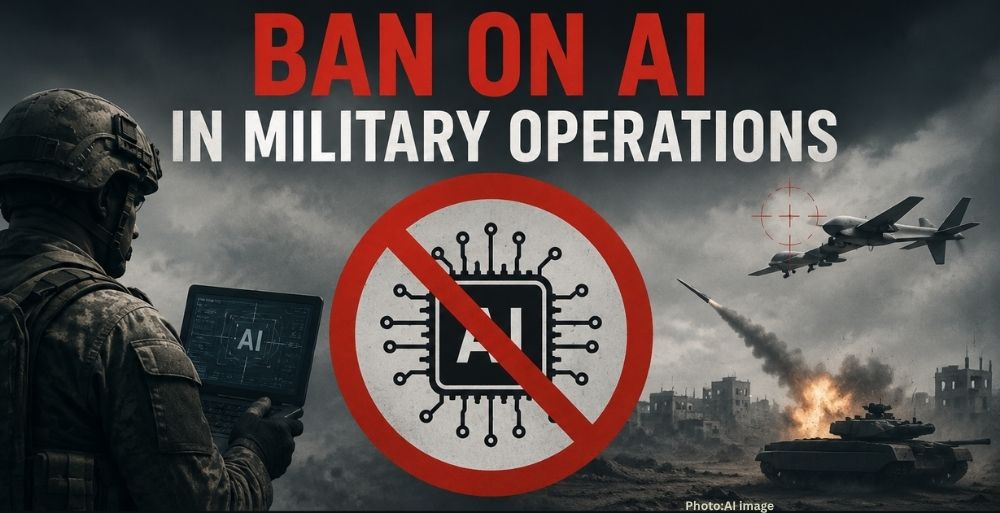
A coalition of 226 organizations, including the World Council of Churches, has issued a joint declaration urging an end to the use of artificial intelligence in military applications, citing concerns over compliance with international law and human rights.
GENEVA – A significant coalition of organizations has taken a firm stance against the utilization of artificial intelligence (AI) in military operations, culminating in a joint declaration signed by 226 entities, including the World Council of Churches (WCC). This declaration was formalized during a United Nations meeting held from June 15 to 17, 2023, which addressed the implications of AI in the military domain and its broader impact on international peace and security.
The declaration explicitly calls for technology companies and governments to “cease supplying” AI systems intended for use in the “military kill chain” and urges them to implement measures that ensure adherence to international humanitarian law (IHL) and human rights standards. This initiative comes amid rising concerns that AI technologies are accelerating warfare, enabling rapid and large-scale killing without adequate oversight.
Escalating Concerns Over AI in Warfare
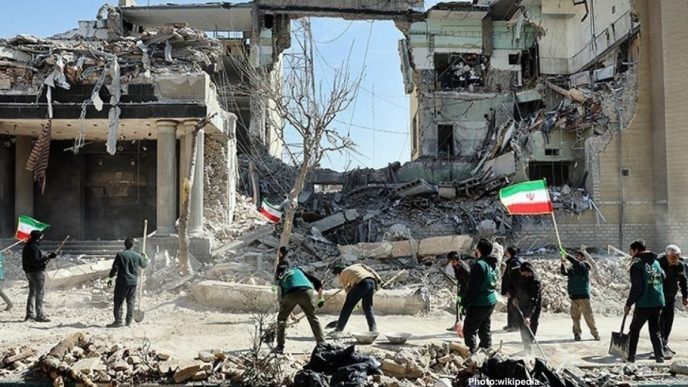
The signatories of the declaration highlight that the current landscape of AI technology lacks sufficient “technical or procedural solutions” to mitigate the dangerous consequences that these advancements pose to international law. The document points out that the rapid identification of targets through AI tools has already been evidenced in U.S. military operations against Iran, where the speed and scale of strikes have reportedly intensified. Similar patterns are noted in the operations of the Israeli armed forces.
According to the declaration, “the rapid generation of targets through AI tools has enabled an increase in the speed, scale, intensity, and destructive force of U.S. strikes against Iran,” referencing various media reports and official Pentagon communications. The signatories caution that such technologies dilute human responsibility in critical life-and-death decisions and may obscure international crimes under the guise of algorithmic objectivity.
Human Rights Implications
The declaration raises alarm among its signatories, including prominent organizations such as Amnesty International and various local advocacy groups, regarding the deployment of AI technologies in warfare, which they argue leads to increasingly violent and dehumanizing methods of combat. The use of large language models (LLMs) for military target generation is particularly concerning, as it threatens to undermine fundamental principles of IHL, such as distinction, proportionality, and precaution.
Furthermore, the declaration highlights the risks posed by the inherent unreliability and bias of AI input data. These factors could facilitate human rights violations and potentially contribute to war crimes. The opacity surrounding the decision-making processes of AI systems exacerbates the challenge of accountability, making it difficult to assign moral or legal responsibility in the event of an error or miscalculation.
The Demand for Accountability and Transparency
Central to the declaration is a call for enhanced accountability and transparency regarding the use of AI in military contexts. It urges technology companies to refrain from entering into contracts with military agencies or armed groups that may be implicated in violations of international law. The declaration emphasizes that these companies must take all possible measures to ensure that their products do not contribute to human rights abuses.
The document also stipulates that companies should withdraw from contracts if they cannot effectively mitigate the risks associated with their technologies. The ethical imperative underscored by the signatories is that the decision to take human life must never be reduced to a mere algorithmic calculation, reflecting a broader moral and legal obligation to uphold the principles of IHL.
International Response and Future Implications
The declaration signed in Geneva serves as a critical reminder of the urgent need for regulations governing emerging technologies in military applications. It calls upon governments to halt the use of AI tools, including LLMs, in military targeting operations and to ensure compliance with international humanitarian law and human rights standards.
This appeal for regulation follows closely on the heels of Pope Leo XIV’s recent Encyclical, “Magnifica Humanitas,” which similarly advocates for the disarmament of AI technologies. The convergence of these voices represents a growing consensus across various sectors advocating for a careful reassessment of how AI is integrated into military strategies.
The implications of this declaration extend beyond immediate military concerns, as it raises profound ethical questions about the role of technology in warfare. As militaries increasingly rely on AI to identify targets at speeds and scales that may diminish human oversight, the potential for mass atrocities increases, directly contravening the precautionary principles enshrined in IHL.
In conclusion, as the debate surrounding the role of AI in warfare intensifies, the Geneva declaration marks a pivotal moment in the discourse on the ethical implications of technology in combat. The unified stance of diverse organizations emphasizes the critical need for continued dialogue and action to safeguard human rights and uphold international law in the face of rapidly advancing technological capabilities. This coalition’s efforts signal an urgent call for a collective approach to ensure that the integration of AI in military operations does not compromise fundamental humanitarian principles.