Recent maritime data reveals a significant uptick in oil shipments through the Strait of Hormuz, coinciding with Iran’s introduction of stricter transit conditions, raising concerns about potential disruptions and geopolitical tensions.
The Strait of Hormuz, a vital passage for global oil transportation, has experienced a noteworthy increase in oil shipments, according to maritime traffic data released in late 2023. This surge comes alongside Iran’s new regulations regarding the transit of oil through the strait, prompting discussions about the implications for international shipping and global oil markets.
Surge in Oil Shipments
Recent statistics indicate that oil shipments through the Strait of Hormuz rose by approximately 15% in the last quarter of 2023 compared to the previous quarter. This increase is particularly significant as the strait is responsible for about 20% of the world’s oil supply. In September 2023, nearly 19 million barrels of oil per day were reported to have passed through this critical waterway, reflecting a growing demand for oil both regionally and globally. Such figures underscore the strategic importance of the strait, which serves as a transit route for oil from several key producers, including Saudi Arabia, Iraq, and the United Arab Emirates.
Iran’s New Transit Conditions
Iranian authorities have recently implemented stricter regulations regarding oil transit through the Strait of Hormuz. Reports suggest that these measures include enhanced inspection protocols and increased monitoring of vessels navigating through the strait. Iranian officials have stated that these regulations are aimed at bolstering maritime security and preventing illegal oil exports, particularly in light of ongoing sanctions imposed by Western nations.
However, the introduction of these new transit requirements has raised concerns among shipping companies and international stakeholders. A shipping executive, who requested anonymity due to the sensitive nature of the topic, expressed worries that these regulations could lead to significant delays and increased shipping costs. “The new requirements could disrupt supply chains and create uncertainty in oil pricing, which would have ramifications for global markets,” the executive noted. Analysts have echoed this sentiment, emphasizing that the evolving situation could exacerbate the already fragile nature of shipping through the Strait of Hormuz, especially given the backdrop of heightened geopolitical tensions.
Historical Context of the Strait
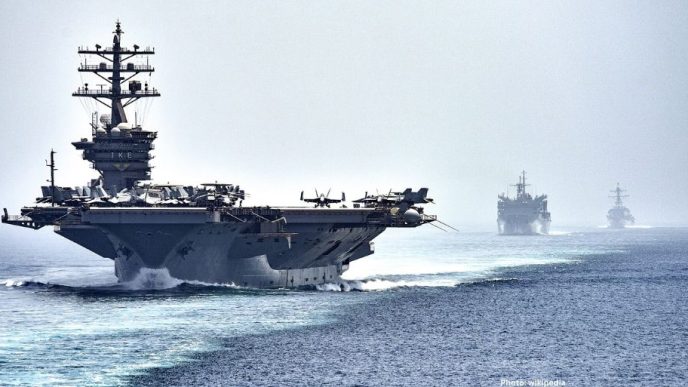
The Strait of Hormuz has long been a focal point of geopolitical conflict, particularly between Iran and Western powers. Historical incidents, such as the tanker wars of the 1980s and more recent confrontations involving U.S. Navy vessels, illustrate the volatility of this critical maritime route. The United States has significantly increased its naval presence in the region in recent years, aiming to ensure the safety of maritime navigation and counter perceived threats posed by Iran.
The historical context of the strait’s significance cannot be overstated. It has been the site of numerous military engagements and diplomatic standoffs, with both regional and international powers vying for influence. This ongoing strife suggests that any escalation in military or diplomatic tensions could have far-reaching consequences, not only for oil prices but also for global trade. Furthermore, a conflict in this region could lead to humanitarian crises, given the proximity of densely populated areas such as Iran and the Gulf states.
International Reactions and Diplomatic Efforts
The recent developments concerning oil shipments and Iran’s new transit conditions have elicited responses from various countries. The United States has reiterated its commitment to maintaining freedom of navigation in international waters, while European nations have called for renewed dialogue aimed at de-escalating tensions and ensuring the stability of oil supplies. The European Union has been particularly vocal in advocating for diplomatic engagement with Iran, seeking to address not only issues related to oil transit but also broader concerns linked to Iran’s nuclear program.
In contrast, Iran’s government has defended its new transit regulations as necessary for protecting national interests. An Iranian official stated, “Our measures are aimed at safeguarding our national interests and ensuring the secure passage of all vessels through our waters.” This stance reflects Iran’s determination to assert its authority over the Strait of Hormuz, even as it faces mounting pressures from the international community.
Future Implications and Market Reactions
As the situation continues to evolve, stakeholders within the global oil market are expected to closely monitor both the volume of shipments through the Strait of Hormuz and the regulatory developments instituted by Iran. Shipping companies may need to adapt to the new requirements; however, uncertainties regarding the feasibility and potential costs associated with compliance remain. The coming months will be pivotal in determining whether the increase in oil shipments can be sustained without significant disruptions or if Iran’s stricter transit conditions will lead to further complications in an already volatile environment.
In summary, the recent rise in oil shipments through the Strait of Hormuz, juxtaposed with Iran’s new transit regulations, presents a complex array of challenges and opportunities for the global oil market. Stakeholders must navigate not only the operational implications of these changes but also the broader geopolitical landscape that continues to shape the dynamics of this crucial maritime corridor.