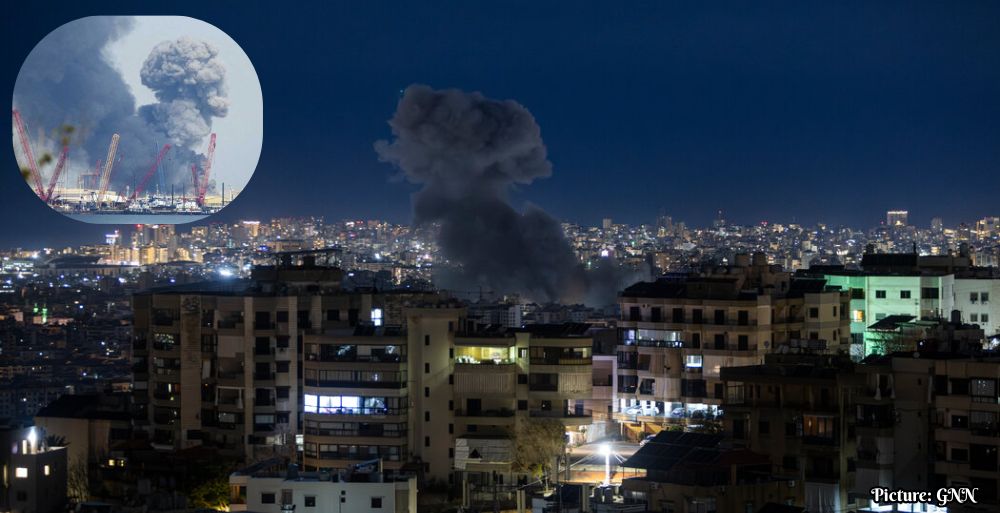
Iran’s chief negotiator has expressed concerns regarding U.S. reliability following recent Israeli airstrikes on Beirut, which have escalated tensions just as peace talks between the U.S. and Iran are underway.
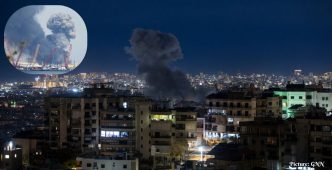
BEIRUT, Lebanon — In a statement on Sunday, Iran’s chief negotiator, Mohammad Baqer Qalibaf, articulated that the recent Israeli airstrikes on Beirut’s southern suburbs underscored the United States’ failure to uphold its commitments in the region. This commentary, disseminated via the social media platform X, highlights growing trepidations within Iranian leadership about U.S. reliability, coinciding with ongoing diplomatic negotiations between Washington and Tehran.
The Israeli military launched airstrikes on Sunday, targeting infrastructure associated with Hezbollah, a Lebanese militant group and a key ally of Iran. The strikes reportedly resulted in the deaths of three civilians, as confirmed by Lebanon’s civil defense forces. Israeli Prime Minister Benjamin Netanyahu characterized the military action as a necessary retaliation against Hezbollah following its recent attacks on northern Israel.
Background of the Conflict
The military actions occurred against the backdrop of ongoing diplomatic efforts aimed at reaching a peace agreement between the United States and Iran. Former President Donald Trump announced on social media that a deal was to be signed on Sunday, claiming it would prevent Iran from acquiring nuclear weapons and facilitate the reopening of the critical Strait of Hormuz for international shipping.
Despite Trump’s assertions, Iranian officials have expressed skepticism regarding the timing and finalization of any agreement. Esmaeil Baghaei, spokesperson for Iran’s foreign ministry, indicated that Tehran had not yet reached a final decision concerning the proposed memorandum of understanding, suggesting that while a deal appeared imminent, formal agreements might still be several days away.
Military and Political Dynamics
In the wake of the Israeli strikes, the deputy commander of Iran’s Khatam al-Anbiya central headquarters condemned the attacks as “crimes” that would not go unanswered, implying a potential military response from Iran. Such rhetoric underscores the heightened stakes involved as both nations navigate a complex landscape characterized by military engagement and diplomatic negotiations.
In anticipation of further military actions, the Israeli Defense Forces (IDF) issued evacuation orders to residents in 29 villages throughout southern Lebanon. This preemptive measure reflects the Israeli military’s ongoing strategy to mitigate threats from Hezbollah, particularly following the militant group’s recent incursions into Israeli territory.
Negotiations and Broader Implications
While Trump remains optimistic about the peace deal, skepticism persists among Iranian officials. Domestic opposition from hardline factions has emerged, with widespread protests erupting in various Iranian cities against any form of compromise with the United States. Protesters have vocalized their dissent, chanting slogans critical of government officials perceived as capitulating to Western demands.
Moreover, reports indicate that Qatari negotiators have arrived in Tehran to assist in finalizing the agreement. The involvement of Qatari mediators suggests a broader regional interest in stabilizing the situation, as the ramifications of U.S.-Iran relations extend beyond bilateral interactions, impacting neighboring nations and global energy markets.
Under the proposed terms of the draft agreement, Iran would commit to refraining from producing or acquiring nuclear weapons and would also agree to dilute its stockpile of highly enriched uranium. In return, the United States would waive oil sanctions on Iran for a specified period and release approximately $25 billion of Iran’s frozen assets. Such a deal could significantly alter Iran’s economic landscape, potentially reopening pathways to international markets and enhancing its economic stability.
Consequences of Military Actions
The recent Israeli airstrikes could have profound implications for the ongoing peace negotiations. Analysts suggest that these military actions may compel Iran to respond militarily, thereby undermining the diplomatic efforts currently in play. The potential for escalation remains high as both military actions and diplomatic negotiations unfold simultaneously.
The international community is closely monitoring developments in this situation, recognizing that the outcomes of U.S.-Iran negotiations could have far-reaching repercussions across the Middle East and beyond. The balance of power in the region hinges not only on these discussions but also on the responses of key players such as Israel, Hezbollah, and the broader Arab world.
As tensions continue to escalate, the intricate interplay between military action and diplomatic negotiation underscores the precarious nature of peace in the region. The possibility of a new agreement hangs in the balance, contingent upon the actions and reactions of both Iran and the United States, as well as the broader geopolitical dynamics at play.
Potential Impacts on Regional Stability
The ongoing conflict and the recent Israeli strikes may also have implications for regional stability. The situation is particularly concerning for neighboring countries, which could be drawn into the conflict should military escalations continue. Furthermore, the potential reopening of the Strait of Hormuz, a crucial passageway for global oil shipments, remains a focal point of international attention, as any disruption could have significant economic ramifications worldwide.
In conclusion, the current geopolitical landscape surrounding the U.S.-Iran negotiations is fraught with tension. The combination of military actions and diplomatic efforts creates a volatile environment where peace remains elusive, and the stakes continue to rise for all parties involved.