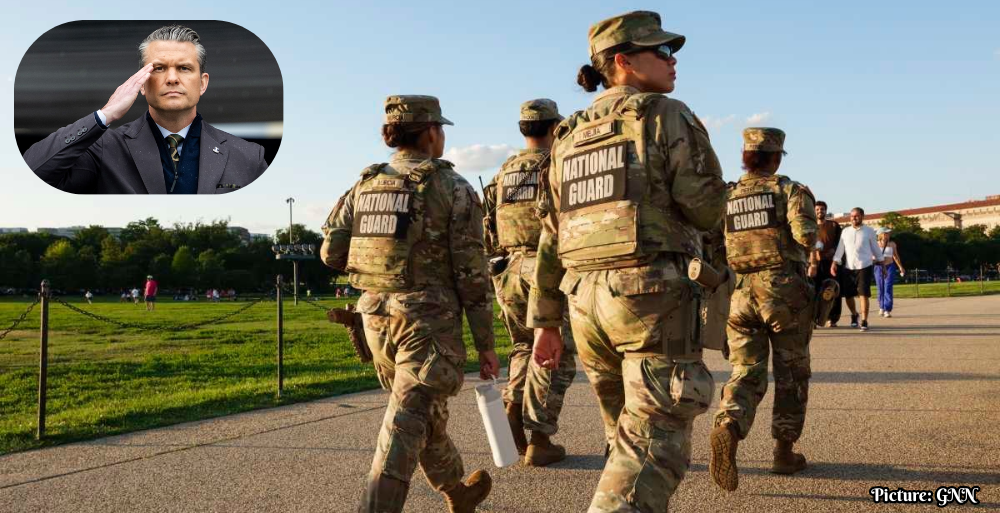
The Department of Defense has officially reduced the number of recognized military religions from over 200 to just 31, a significant restructuring aimed at improving the delivery of religious support to service members.
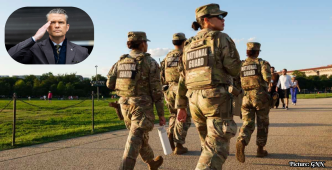
In a significant policy shift, the U.S. Department of Defense (DoD) announced on Thursday that it has streamlined the list of recognized religions within the military, reducing the number from over 200 to just 31. This move follows statements made earlier this year by Secretary of War Pete Hegseth, who criticized the existing system as ‘impractical and unusable.’
According to a memo from Undersecretary of Defense Anthony Tata, the revision aims to enhance the collection of religious preferences among service members, thereby improving the delivery of targeted religious support through the Chaplaincy. Tata noted that the new system would equip chaplains with clearer and more readily available information, allowing them to better anticipate and meet the religious support needs of service members.
Overview of the New List of Recognized Religions
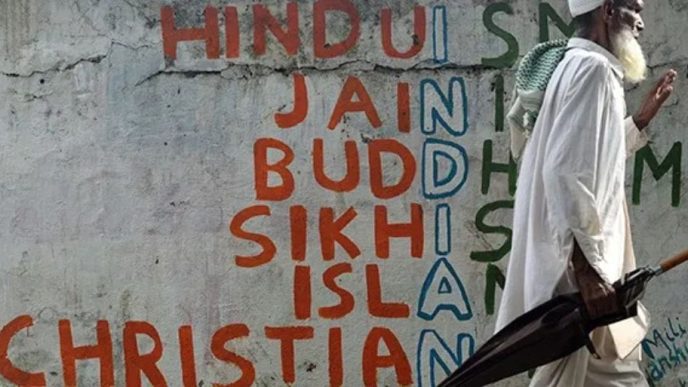
The newly established list includes a diverse array of faiths, such as Agnosticism, Buddhism, Hinduism, Islam (Muslims), Judaism, Sikhism, and various Christian denominations, including Baptists, Catholics, Lutherans, and Methodists. This restructuring comes in response to concerns that the previous system had become unwieldy and redundant, with many of the faith codes rarely utilized.
In March, Secretary Hegseth underscored that the earlier system had ‘ballooned’ beyond practical use, stating that the overwhelming majority of military personnel aligned with only a few of the existing faith codes. He indicated that this redundancy posed challenges for chaplains in providing tailored support to service members based on their specific spiritual needs.
Implications for Military Chaplains
The recent revamping not only simplifies the identification of religious affiliations but also introduces a new directive for chaplains to replace their traditional rank insignia with religious insignia. Hegseth explained that this adjustment emphasizes the primary role of chaplains as spiritual leaders within the military framework, asserting, ‘A chaplain is first and foremost a chaplain, and an officer second.’
This change is expected to serve as a visual reminder of the unique spiritual responsibilities of chaplains, who are ordained and called to their roles. While chaplains will retain their rank as officers, the removal of rank insignia aims to highlight their commitment to serving the spiritual needs of service members above their military status.
Historical Context of Military Religious Support
The evolution of religious recognition within the military reflects broader societal changes regarding faith and inclusivity. Historically, military chaplains have played a vital role in providing spiritual guidance and support, particularly during conflicts and times of crisis. However, the extensive range of recognized faiths has complicated the delivery of these services, making it difficult for chaplains to effectively address the diverse needs of service members.
This restructuring occurs at a time when the U.S. Armed Forces are increasingly committed to inclusivity and the well-being of their personnel. By narrowing the list of recognized faiths, the Pentagon aims to ensure that chaplains can better understand and fulfill the spiritual requirements of those they serve, fostering a supportive environment for all service members.
Responses and Future Considerations
Reactions to the Pentagon’s decision have been mixed. Some military leaders and commentators have praised the move as a necessary step toward enhancing the efficiency and effectiveness of religious support within the armed forces. They argue that a streamlined list will enable chaplains to focus on the spiritual needs of the majority while promoting a more cohesive support system.
Conversely, critics of the decision express concern that reducing the number of recognized faiths could marginalize smaller religious groups within the military community. They worry that the changes may lead to a diminished recognition of diverse spiritual practices and beliefs, potentially alienating service members who identify with those faiths.
As the new policy unfolds, it will be crucial to monitor its impact on both the spiritual lives of service members and the operational effectiveness of military chaplains. The DoD’s commitment to reassessing and refining the support offered to personnel will likely continue, as military leadership navigates the complexities of accommodating faith in a diverse and dynamic environment.
Looking Ahead
The Pentagon’s recent decision represents a significant shift in the landscape of military religious support, emphasizing the need for clarity and practicality in the provision of spiritual care. As the armed forces move forward with this new framework, the ongoing dialogue surrounding the balance between inclusivity and practicality in recognizing diverse faiths will be critical. Ensuring that all service members feel supported in their spiritual journeys will remain a priority for military leadership as they implement these changes and assess their broader implications.