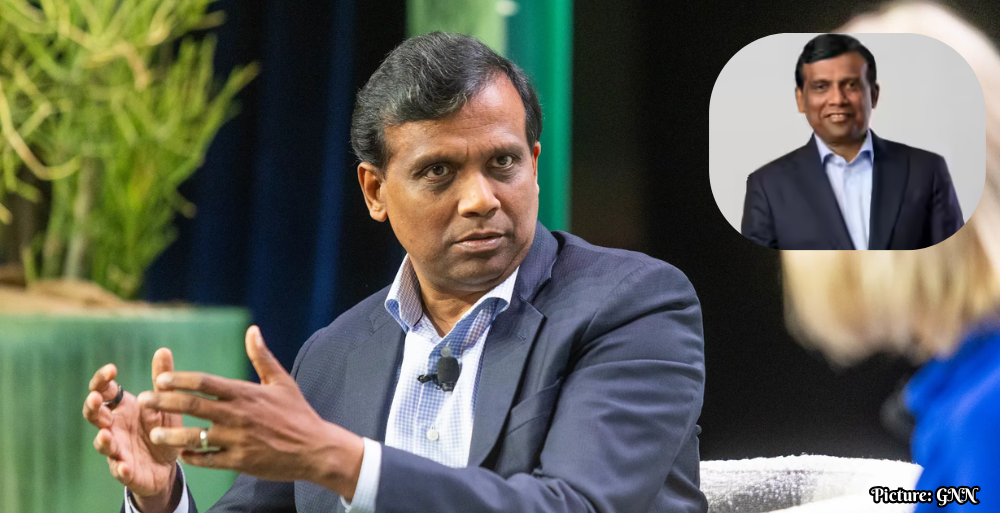
The role of middle managers is evolving as artificial intelligence (AI) technologies reshape workplace dynamics, according to Cognizant CEO Ravi Kumar S.
In a recent discussion, Ravi Kumar S., the CEO of Cognizant, emphasized the transformative impact of artificial intelligence (AI) on middle management, illustrating a significant shift from traditional management roles to more dynamic, player-coach positions. This evolution reflects broader trends within organizations as they adapt to the increasing integration of AI technologies across various sectors, fundamentally altering the workplace landscape.
AI’s Influence on Management Structures
Kumar pointed out that AI is not merely a tool for automation but a catalyst for redefining roles at all levels of an organization. Middle managers, traditionally responsible for overseeing teams and ensuring compliance with directives from senior leadership, are now expected to adopt a more collaborative and supportive approach. They are becoming player-coaches, blending managerial duties with active participation in daily tasks, thereby fostering a more agile work environment.
This shift is crucial as organizations contend with the dual pressures of maintaining efficiency while adapting to rapidly changing market conditions. According to a study by McKinsey, approximately 70% of organizations are currently using AI in some form, a figure that is anticipated to grow as businesses seek to leverage data-driven insights to enhance decision-making processes. This trend underscores the urgency for middle management to evolve in response to these technological advancements.
The Role of Training and Development
As AI technologies advance, so too does the skill set required of managers. Kumar emphasized the importance of continuous training and development for middle managers, noting that they must not only be proficient in using AI tools but also in interpreting AI-generated data to guide their teams effectively. Companies are increasingly investing in reskilling programs designed to equip managers with the necessary skills to thrive in an AI-enhanced workplace.
For instance, Cognizant has implemented a series of training initiatives aimed at upskilling its workforce, ensuring that managers can effectively leverage AI capabilities. This commitment to education is part of a broader strategy to foster a culture of innovation and adaptability within the organization. By prioritizing the development of their workforce, Cognizant aims to ensure that its managers can navigate the complexities of modern business environments.
Challenges and Opportunities
Despite the advantages of integrating AI into management practices, Kumar acknowledged the challenges that accompany this transition. One significant concern is the potential for job displacement as AI systems take over routine tasks. While AI can enhance productivity and efficiency, it also raises questions about the future of certain roles within organizations. The fear of automation replacing human jobs is a pervasive concern in discussions surrounding AI implementation.
However, Kumar remains optimistic about the opportunities presented by AI. He stated, “The key is to view AI as an enabler rather than a replacement. It allows managers to focus on higher-order tasks that require human judgment, creativity, and emotional intelligence.” This perspective aligns with findings from a recent survey by PwC, which indicated that 54% of executives believe AI will create more jobs than it eliminates in the long run. The emphasis on human-centric skills suggests a shift in the labor market, where interpersonal skills and innovative thinking become increasingly valuable.
Looking Ahead: The New Landscape of Middle Management
As organizations continue to navigate the complexities of AI integration, Kumar’s insights serve as a reminder of the evolving nature of leadership in the digital age. Middle managers are at a pivotal juncture, tasked with balancing traditional managerial responsibilities with new expectations arising from technological advancements. This transformation may require a reevaluation of performance metrics and managerial success, placing greater emphasis on collaboration, adaptability, and emotional intelligence.
Moreover, as the workplace becomes more interconnected and reliant on technology, the role of middle managers will likely expand to include responsibilities such as fostering team cohesion and promoting a culture of continuous learning. This shift could lead to a more engaged workforce, where employees feel supported and empowered to innovate.
Implications for Organizations
The implications of this transformation extend beyond individual companies; they impact the overall labor market and economy. As organizations adapt to new technologies, they must also consider the ethical implications of AI deployment, particularly regarding workforce displacement and the need for comprehensive reskilling programs. Policymakers and business leaders will need to collaborate to ensure that the workforce is prepared for the future, with a focus on education and training that emphasizes STEM (science, technology, engineering, and mathematics) as well as soft skills.
In conclusion, the transformation of middle management into player-coaches represents a significant shift in organizational dynamics, driven by the rise of AI and the need for more collaborative work environments. As companies like Cognizant lead the charge in this evolution, the emphasis on training, adaptability, and a forward-thinking mindset will be essential in shaping the future of work. The ability of middle managers to effectively integrate AI into their roles will not only define their success but also the success of the organizations they represent.