The annual Hajj pilgrimage in Saudi Arabia has commenced, welcoming over 1.5 million pilgrims during a time of heightened regional tensions and an ongoing global energy crisis.
The Hajj pilgrimage, which represents one of the five pillars of Islam, has officially begun in Mecca, Saudi Arabia, drawing more than 1.5 million pilgrims from around the globe. This year’s pilgrimage unfolds against the backdrop of a fragile ceasefire in the ongoing conflict involving Iran and its regional adversaries, compounded by a global energy crisis that has significant implications for many nations.
According to Saleh bin Saad al-Murabba, the commander of the Hajj passport forces, as of Friday, more than 1.5 million pilgrims had entered the kingdom, with additional arrivals expected in the days leading up to the completion of the Hajj rituals. For many participants, this pilgrimage represents the fulfillment of a lifelong dream, a once-in-a-lifetime journey required of every Muslim who possesses the means and health to undertake it.
Samya Abdul Moneim, an Egyptian pilgrim, expressed her emotional response upon arriving in Mecca, stating, “I am in a state of blessing and happiness. It’s an indescribable feeling, truly. Thank God, I am in a blessing.” Such sentiments reflect the deep spiritual significance that the Hajj holds for Muslims, who see it as a transformative journey filled with personal and communal dimensions.
Physical and Spiritual Challenges of the Pilgrimage
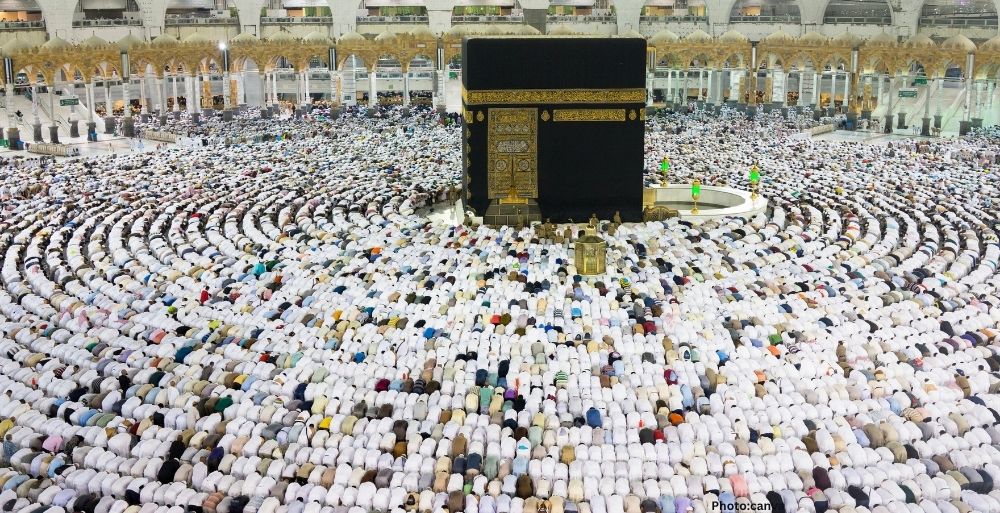
The pilgrimage involves a series of rituals, including the act of circling the Kaaba, the cube-shaped structure that is the most sacred site in Islam, located within the Grand Mosque in Mecca. Pilgrims have been facing extreme heat during their rituals, with temperatures soaring in the region. To cope with the sweltering conditions, many have resorted to using umbrellas and handheld fans. Volunteer teams have been active in providing support, distributing water and misting fans to help alleviate the heat-related discomfort experienced by the pilgrims.
Youssef Chouhoud, a political scientist from the United States, described the experience as a deeply transformative endeavor, noting, “This Hajj is, in effect, a hard reset for me. It is for many pilgrims the most difficult thing they will ever do in their lives. But nothing this meaningful is ever going to be easy.” He highlighted the communal spirit observed among pilgrims, praising their generosity and willingness to assist one another throughout the demanding journey.
Geopolitical Context Surrounding the Hajj
The Hajj pilgrimage is taking place amidst a complex geopolitical landscape that includes ongoing discussions among the United States, Iran, and regional allies regarding a potential “memorandum of understanding.” This agreement could potentially lead to the reopening of the Strait of Hormuz, a strategically vital maritime corridor that has faced increased tensions due to the ongoing conflicts in the region. The United States has indicated that the urgency for dialogue and resolution is heightened by the energy crisis, which has been exacerbated by recent U.S. and Israeli actions against Iran, as well as Tehran’s response, including the closure of the waterway.
Despite these geopolitical uncertainties, many pilgrims continue to draw strength and solace from their faith. The culmination of the Hajj will occur on Tuesday, when pilgrims gather on the plain of Arafat, considered the spiritual pinnacle of the pilgrimage. On this day, they will engage in prayer, seek forgiveness, and remember loved ones who are not present, fostering a sense of collective spirituality that transcends individual struggles.
The Hajj serves not only as a religious observance but also as a demonstration of unity among Muslims worldwide, transcending national and ethnic boundaries. Pilgrims engage in rituals designed to promote humility, solidarity, and compassion, engaging with a tradition that has been central to Islamic life for over a millennium. The mass gathering of diverse participants from various backgrounds reinforces the shared faith and common beliefs among Muslims globally.
As the pilgrimage unfolds, the intersection of faith and contemporary challenges becomes increasingly evident. The atmosphere in Mecca is charged with spirituality, yet it is also tempered by the realities of the world outside the sacred city. Pilgrims, while immersed in their spiritual practices, are acutely aware of the geopolitical tensions that shape their lives and the lives of their families back home.
The Broader Implications of Hajj 2026
The 2026 Hajj pilgrimage not only emphasizes the personal and communal aspects of faith but also highlights the ongoing struggles within the region. The fragile ceasefire in the Iran conflict and the global energy crisis underscore the need for dialogue and cooperation among nations. As pilgrims gather to fulfill their religious duties, their presence serves as a reminder of the potential for unity in the face of adversity.
As the world watches, the pilgrims continue their sacred journey, embodying resilience and devotion amidst challenging circumstances, demonstrating the enduring power of faith in the face of adversity. The Hajj remains a deeply personal experience for millions, yet it also resonates with broader themes of peace, cooperation, and the quest for understanding amidst discord.