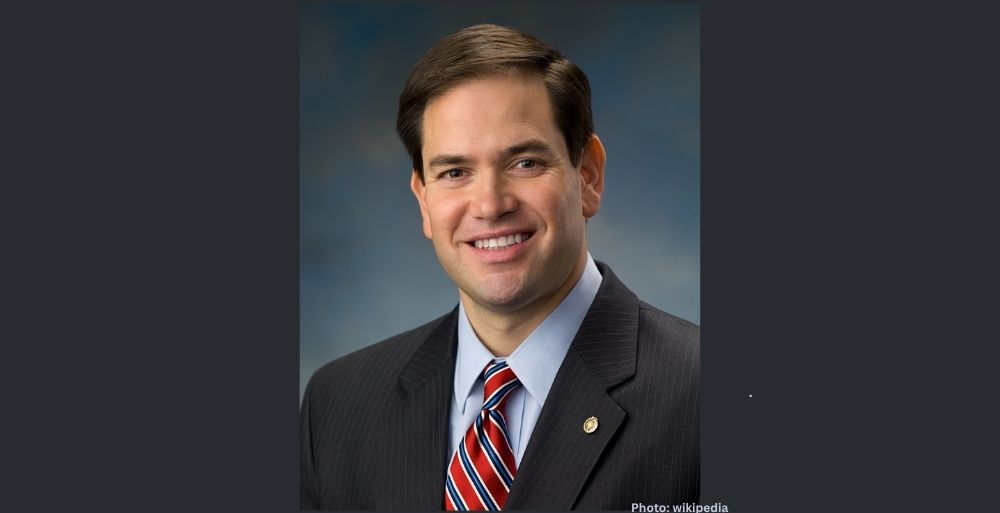
During a recent visit to India, US Secretary of State Marco Rubio highlighted the pivotal role of India in the United States’ Indo-Pacific strategy, reaffirming the commitment to deepening bilateral ties and anticipating future collaborations.
NEW DELHI, May 23, 2026 — In a ceremony marking the dedication of the new Support Annex Building at the US Embassy, US Secretary of State Marco Rubio emphasized India’s significant role in the United States’ Indo-Pacific strategy. His remarks reflect a strategic pivot towards strengthening ties with India amid shifting geopolitical dynamics, particularly in response to China’s growing influence in the region.
Rubio stated, “This relationship between our two countries is at the cornerstone of our approach to the Indo-Pacific,” underscoring the deepening partnership between Washington and New Delhi. The US-India relationship has evolved into a critical element of both nations’ foreign policies, with the Indo-Pacific serving as a focal point of their collaborative efforts.
Historical Context of the US-India Partnership
The US-India partnership has undergone a transformative shift over the past two decades, characterized by strategic dialogues and agreements that have fostered closer ties. The establishment of the Quadrilateral Security Dialogue (Quad), which includes India, Japan, Australia, and the United States, exemplifies this evolving relationship. Rubio noted that his first official engagement as Secretary of State was attending a Quad Foreign Ministers’ Meeting shortly after his swearing-in in January 2025, illustrating the urgency and priority given to this alliance.
He recalled, “Within the hour, I was at the State Department… my first meeting, my very first meeting officially as Secretary of State, was a meeting of the Quad.” This immediate focus on the Quad indicates the strategic importance the US places on multilateral cooperation in the Indo-Pacific region. The Quad aims to address regional security challenges, promote trade, and enhance economic collaboration among its members.
Economic Investments and Collaborations
Rubio highlighted the significant economic ties between the United States and India, citing that Indian companies have invested over $20 billion in the United States. This investment not only strengthens the economic landscape of both countries but also enhances diplomatic relations by fostering interdependence. These financial flows are indicative of a robust economic framework that supports job creation and innovation in both nations.
In addition to economic collaboration, Rubio pointed to the deepening security partnership between the two nations, facilitated by joint military exercises across the Indo-Pacific. Highlighting the importance of a secure consular system, he introduced a new America First visa scheduling tool aimed at prioritizing business professionals, thus facilitating smoother interactions between American and Indian businesses.
The Significance of Personal Relationships
Rubio also emphasized the critical role of personal relationships between leaders in fortifying the US-India partnership. He commented on the longstanding rapport between US President Donald Trump and Indian Prime Minister Narendra Modi, stating, “Anchoring that is the relationship between the President and the Prime Minister. It’s a personal relationship that dates back to the first administration.” This connection, according to Rubio, is essential for fostering long-term cooperation and mutual understanding between the two nations.
By highlighting the personal ties between Trump and Modi, Rubio pointed to a broader trend in international relations where personal diplomacy can significantly influence bilateral engagements. As both leaders focus on long-term strategic goals, their connection may provide a foundation for continued collaboration, especially in areas like defense, technology, and trade.
Future Developments and US Commitment
In concluding his remarks, Rubio expressed optimism about the future of US-India relations, indicating that further developments are on the horizon. He remarked, “In the months ahead, we’re going to have even more exciting and new announcements to make about the development and the strengthening of the relationship between the two countries.” This statement serves as a signal of the US’s commitment to enhancing its ties with India, particularly in light of global challenges such as climate change, security threats, and economic competition.
Rubio’s comments resonate with the broader US strategy to reinforce alliances in the Indo-Pacific as a counterbalance to China’s assertive regional posture. By investing in relationships like that with India, the US aims to create a more stable and secure Indo-Pacific environment.
Conclusion: Strategic Implications
Rubio’s visit and statements underscore the notion that the US-India partnership is a cornerstone of American foreign policy in the Indo-Pacific. As both countries navigate complex geopolitical dynamics, the emphasis on economic collaboration, security cooperation, and strong personal ties between leaders will likely shape the future trajectory of this important partnership. With both nations committed to a shared vision for regional stability, the prospects for enhanced cooperation appear promising as they continue to address mutual interests and challenges.