
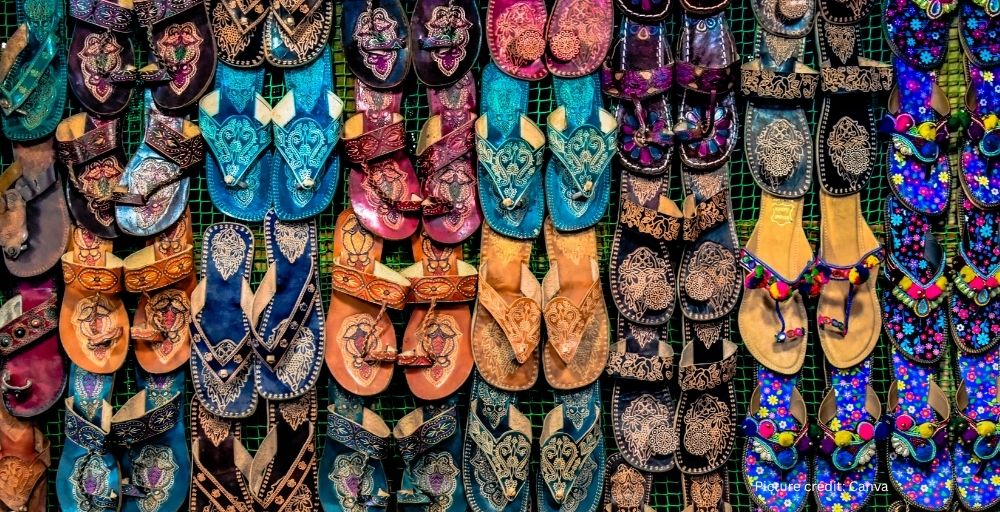
In an effort to restore relationships with producers of ‘Made in India’ sandals, luxury fashion brand Prada is taking steps to address previous tensions, emphasizing a commitment to transparency and collaboration in its supply chain practices.
In a significant recent announcement, Italian luxury fashion house Prada has declared its intent to mend relationships with producers of sandals labeled as ‘Made in India.’ This initiative arises amidst growing scrutiny over the brand’s supply chain practices and the ethical implications of its sourcing strategies. The decision reflects a broader trend within the fashion industry where transparency and social responsibility are increasingly prioritized.
Historical Context of ‘Made in India’
The term ‘Made in India’ has long been associated with high-quality craftsmanship within the global fashion market. Over the decades, luxury brands have turned to Indian artisans, capitalizing on the country’s rich tradition of textile and footwear production. However, in recent years, allegations of exploitation, poor working conditions, and unfair labor practices have placed brands like Prada under intense scrutiny. As consumer awareness of ethical sourcing intensifies, companies are increasingly pressured to ensure their supply chains uphold fair labor standards.
Reports of worker exploitation within the sandal production sector have surfaced, detailing instances of low wages, unsafe working environments, and lack of job security. These issues have led to public backlash against brands that fail to provide adequate oversight of their supply chains. Consequently, Prada’s commitment to nurture relations with Indian producers signifies a pivotal shift in its business approach, as it seeks to align itself with evolving consumer expectations.
Prada’s Commitment to Ethical Practices
As part of its reconciliation efforts, Prada has outlined several strategic commitments aimed at enhancing its relationship with Indian producers. Central to these strategies is the company’s pledge to conduct comprehensive audits of its production facilities in India to ensure compliance with international labor standards. This commitment not only addresses immediate concerns but also aligns with broader industry trends where luxury brands are expected to demonstrate transparency and accountability.
Furthermore, Prada aims to engage directly with artisans, fostering communication and understanding between the brand and those who produce its products. In addition to direct engagement, the company plans to invest in community development programs and establish transparent feedback mechanisms that empower workers to voice their concerns. By prioritizing these initiatives, Prada seeks to create a more sustainable and equitable production environment that can withstand public scrutiny.
Collaboration with Local Organizations
To bolster its efforts, Prada intends to collaborate with local organizations that advocate for workers’ rights. By fostering partnerships with these groups, the brand aims to enhance its social responsibility initiatives and ensure that the voices of Indian artisans are heard. This collaborative approach not only seeks to rehabilitate Prada’s image but also signals a growing recognition among luxury brands of the importance of ethical practices in their operations.
Market Implications and Consumer Expectations
The implications of Prada’s initiatives extend beyond its brand reputation; they reflect a larger shift in consumer expectations within the fashion industry. According to recent surveys, a significant portion of consumers—66%—are willing to pay a premium for sustainable and ethically produced products. This statistic underscores a critical market trend demanding increased accountability from fashion brands.
Industry experts suggest that Prada’s proactive stance may set a precedent for other luxury brands grappling with similar challenges. As brands increasingly adopt transparent practices and engage directly with their suppliers, there is potential for improved labor conditions across the sector, resulting in enhanced brand loyalty among ethically conscious consumers.
Challenges and Future Directions
Despite the positive steps outlined by Prada, the path forward will require sustained commitment and vigilance. Stakeholders, including consumers, labor rights advocates, and industry analysts, will be closely monitoring the outcomes of these initiatives. The success of Prada’s reconciliation process will depend on its ability to maintain open lines of communication with producers and effectively address any emerging compliance issues.
Moreover, as the luxury fashion industry continues to evolve, brands like Prada must remain flexible and responsive to the changing dynamics of consumer expectations. This may involve not only adhering to ethical labor practices but also embracing innovative production methods that align with sustainability goals.
The Broader Movement Towards Accountability
Prada’s decision to mend ties with ‘Made in India’ sandal producers is emblematic of a broader movement within the luxury fashion industry towards greater accountability and ethical sourcing practices. As consumers become more informed and vocal about their expectations, brands are increasingly recognizing the necessity of adapting to these changing dynamics to remain competitive and relevant in the market.
In conclusion, the luxury fashion sector stands at a critical juncture where ethical considerations are becoming paramount. Prada’s commitment to enhancing its relationships with Indian sandal producers not only reflects a response to immediate ethical concerns but also embodies a larger industry shift towards transparency and social responsibility. As the brand implements its new strategies, the outcomes will likely serve as a bellwether for other luxury brands navigating similar challenges in the pursuit of ethical production.