
Members of the B’nei Menashe community, who believe they are descendants of an ancient Israelite tribe, are preparing for an impending migration to Israel, with hopes of being officially recognized by the Israeli government by 2030.
Churachandpur, India – The B’nei Menashe community, comprising approximately 10,000 individuals residing in the northeastern states of Manipur and Mizoram, is poised to embark on a significant migration to Israel, which they believe is their ancestral homeland. This small group claims descent from the biblical tribe of Manasseh, one of the Ten Lost Tribes of Israel, which was dispersed nearly three millennia ago.
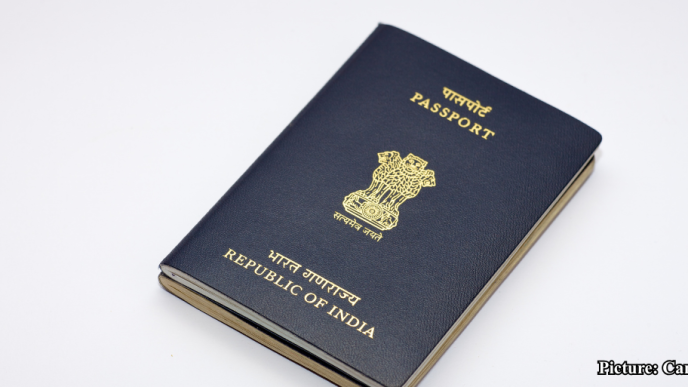
In a kibbutz located in the remote district of Churachandpur, Shimon Ngamthenlal, a 27-year-old member of the B’nei Menashe, expressed his community’s deep-rooted faith in their heritage. “We have faith in the Torah,” he stated, emphasizing the importance of their religious beliefs over historical debates regarding their origins. He added, “We have good faith in the Israeli government. They promised that all the B’nei Menashe will go to Israel by 2030. We all have our passports ready.”
Historical Context
The B’nei Menashe community has long maintained that their ancestors journeyed from the ancient Middle East across Asia, ultimately finding refuge in the jungles of northeastern India. While evidence supporting this claim is limited, the community’s narrative is steeped in religious belief and cultural identity. The concept of the Lost Tribes has fascinated scholars and religious leaders alike for centuries, with various groups worldwide claiming lineage to these ancient Israelites.
Israel has a history of welcoming Jewish diaspora, particularly those who claim descent from the Lost Tribes. Since the early 2000s, the Israeli government has facilitated the immigration of the B’nei Menashe, with several hundred having already made the journey to Israel. The Israeli government has expressed its commitment to assist in their aliyah, or return to the Jewish homeland, with a promise that all B’nei Menashe will be welcomed by 2030, demonstrating a proactive approach to Jewish identity and immigration.
Current Situation
Many members of the B’nei Menashe community reside in a primarily agrarian setting, living in bamboo huts and engaging in farming and local trades. The kibbutz of Ma’oz Tzur, where Ngamthenlal lives, serves as a center for their religious practices, where they gather for prayers and community events. The scenic backdrop of the lush hills and rich vegetation provides a stark contrast to their aspirations of life in Israel, which they envision as a land of opportunity and religious fulfillment.
The community’s leaders have actively engaged with Israeli authorities to secure their immigration process. Recent statements from the Israeli government have indicated that they are on track to fulfill their promise of welcoming the B’nei Menashe by 2030. However, the exact timeline remains uncertain, as logistical and bureaucratic challenges continue to arise. The complexity of immigration policies, the need for documentation, and the potential for scrutiny regarding their claims of descent are all factors that could impact their migration experience.
Community Sentiments
The anticipation of migration is palpable within the B’nei Menashe community. Many families are already preparing for the transition, with some individuals learning Hebrew and studying Israeli culture to ease their integration upon arrival. Ngamthenlal remarked, “We want to be part of the Jewish community in Israel and contribute to society.” This sentiment reflects a desire not only for acceptance but also for active participation in the broader Israeli society.
Despite their enthusiasm, the B’nei Menashe face challenges related to their identity and recognition within the broader Jewish world. Some Jewish organizations and leaders have expressed skepticism regarding the community’s claims of descent from the Lost Tribes, citing the need for further validation of their lineage. This skepticism has led to discussions within the Jewish community about the criteria for Jewish identity and the implications for immigration policies. The complexity of Jewish identity, particularly regarding who qualifies as a Jew under Israeli law, remains a contentious issue.
Future Implications
The planned migration of the B’nei Menashe to Israel raises important questions about cultural preservation, identity, and integration. As they prepare for their new lives, the community must navigate the complexities of adapting to a vastly different environment while retaining their unique cultural heritage. Concerns about cultural dilution and loss of identity are prevalent among community leaders, who emphasize the importance of maintaining their traditions and practices even as they assimilate into Israeli society.
The Israeli government’s support will be crucial in facilitating this transition and ensuring that the B’nei Menashe can maintain their religious and cultural practices in their new homeland. Their successful integration into Israeli society may serve as a precedent for future immigration cases involving other groups claiming descent from the Lost Tribes of Israel.
As the B’nei Menashe await their anticipated aliyah, their story highlights the ongoing dynamics of diaspora, identity, and the search for belonging within the context of modern Israel. The culmination of their efforts, and the realization of their dream to return to their ancestral homeland, will be closely watched by both supporters and skeptics alike. This migration not only represents a personal journey for the B’nei Menashe but also poses broader questions about identity, belonging, and the complexities of Jewish diaspora narratives in contemporary society.