
As the Trump administration escalates its focus on denaturalization, hundreds of foreign-born Americans face the prospect of losing their citizenship and U.S. passports, raising concerns about the future of citizenship rights in the United States.
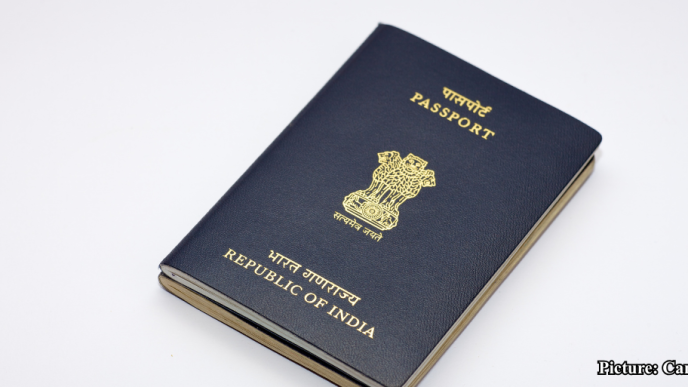
The Trump administration has initiated a significant crackdown on citizenship, shifting its focus from deportation to a controversial process known as denaturalization. This process involves stripping legal Americans of their citizenship, effectively transforming them into non-citizens who may potentially face deportation. The implications of such actions extend beyond legal status, as affected individuals would also lose their U.S. passports, complicating travel and exposing them to various legal challenges.
American citizens have previously encountered numerous obstacles when traveling internationally, including unexpected passport cancellations that have left some stranded abroad. The current administration’s denaturalization efforts further complicate an already precarious situation for many foreign-born citizens, making the process of obtaining or retaining foreign passports more arduous.
Denaturalization Targeting Foreign-Born Citizens
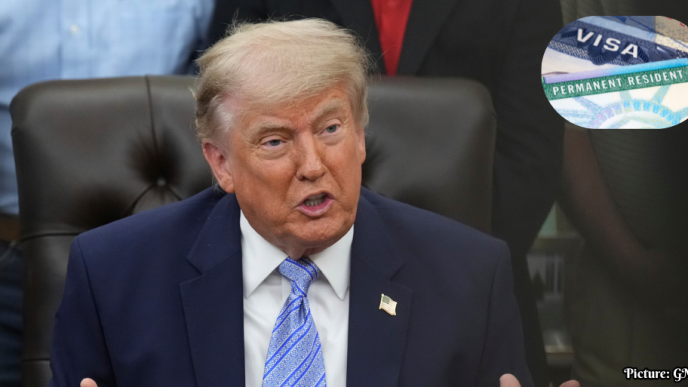
According to a report by NBC News, a spokesperson from the Justice Department has confirmed that the Trump administration is targeting hundreds of foreign-born Americans for denaturalization. “Under the leadership of President Trump and Acting Attorney General Todd Blanche, the Department is pursuing the highest volume of denaturalization referrals in history,” the spokesperson stated. This assertion underscores the administration’s aggressive stance on citizenship and immigration policy.
A memorandum from the U.S. Department of Justice (DOJ) issued on June 11, 2025, outlines the administration’s commitment to prioritizing denaturalization cases. The DOJ plans to pursue denaturalization against individuals who are found to have obtained citizenship illegally or through the concealment of material facts. This memorandum identifies several categories of individuals as priorities for denaturalization, including those involved in human rights violations, violent crimes, and fraudulent activities. Additionally, it includes cases deemed significant by the Civil Division.
The Legal Landscape of Denaturalization
The legal framework governing denaturalization involves U.S. Code §1425(a), which has come under scrutiny following the Supreme Court’s ruling in the 2017 case of Maslenjak v. United States. The Court warned against an overly broad interpretation of the statute, emphasizing that it could provide prosecutors with “nearly limitless leverage” over newly naturalized citizens. Legal scholars Cassandra Burke Robertson and Irina D. Manta have noted that the government’s ability to strip citizenship based on decades-old conduct, through civil procedures with limited due process protections, undermines the security that citizenship is intended to provide.
Historically, denaturalization cases have been rare; however, during President Trump’s first term, the administration filed over 100 such cases. Currently, the New York Times reports that the Justice Department has identified 384 foreign-born Americans as targets for denaturalization, a move that also threatens to revoke their U.S. passports.
Implications for Dual Citizenship
The potential introduction of limitations on dual citizenship adds further complexity to the situation. If enacted, this legislation could eliminate a crucial safety net for foreign-born citizens, who have traditionally maintained ties to their countries of origin through dual citizenship. This connection can offer essential security during periods of political instability or personal crises.
As American citizens navigate the current political landscape, many may find themselves reconsidering the implications of maintaining U.S. citizenship. The threat of denaturalization casts a shadow over the perceived permanence of citizenship, prompting some to weigh the risks of retaining their American status against the benefits of holding dual citizenship.
Challenges in International Travel
International travel presents its own set of difficulties, exacerbated by new systems such as Europe’s Entry/Exit System (EES), which have caused significant delays for travelers. Reports of tourists being unable to leave their destinations due to expired travel documents highlight the precariousness of international mobility. For instance, a British tourist was detained in the U.S. for 45 days due to issues with her husband’s travel documents.
The current denaturalization efforts are raising alarms not only for those directly affected but also for civil rights advocates who argue that the erosion of citizenship rights could have chilling effects on immigrant communities. The prospect of losing citizenship based on allegations of past misconduct—sometimes rooted in events decades old—has bred fear and uncertainty among many foreign-born Americans.
Moreover, the implications of these policies reach beyond individual cases; they may reshape the broader landscape of citizenship rights in the United States. The administration’s aggressive approach has led to questions about the long-term stability of citizenship and what it means to be an American in today’s political climate.
Looking Ahead
As denaturalization efforts advance, the precariousness of citizenship and the associated rights, such as passport security, become increasingly evident. This ongoing situation raises critical questions about the stability of U.S. citizenship and the protections it affords to American citizens, especially those with foreign origins. The implications of these policies may have long-lasting effects on the lives and legal statuses of hundreds of individuals across the country.
The evolving nature of citizenship in the United States is a topic that demands ongoing scrutiny as the nation navigates complex immigration issues and the legal frameworks surrounding them. In a time when national identity and belonging are under examination, the stakes for foreign-born Americans could not be higher.