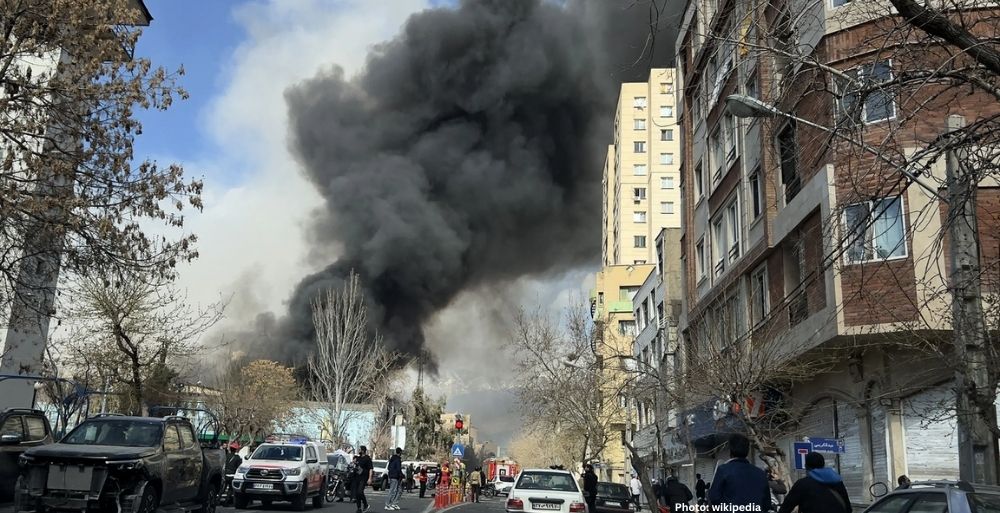
In a high-stakes diplomatic maneuver aimed at de-escalating a conflict that has paralyzed global energy markets, the White House has deployed special envoys Steve Witkoff and Jared Kushner to Pakistan for direct talks with Iranian Foreign Minister Abbas Araghchi. The mission comes as the Strait of Hormuz remains effectively shuttered by a naval standoff, driving Brent crude prices near $107 a barrel and prompting President Trump to issue a 90-day extension of the Jones Act waiver to stabilize domestic energy supplies. While a precarious ceasefire holds in Lebanon, the human cost of the two-month-old conflict continues to mount, with regional fatalities exceeding 5,800 and the U.S. military presence expanding to levels not seen since the 2003 Iraq invasion.
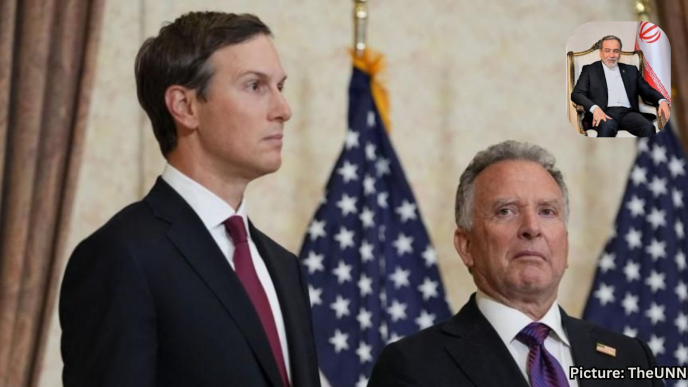
ISLAMABAD — The White House confirmed Friday that President Donald Trump has dispatched special envoys Steve Witkoff and Jared Kushner to the Pakistani capital to meet with Iranian Foreign Minister Abbas Araghchi. The delegation arrives as the Pakistani government intensifies its role as a regional mediator, seeking to transform a fragile, temporary cessation of hostilities into a durable diplomatic framework.
The scheduled Saturday talks represent the most significant direct engagement between Washington and Tehran since a failed summit in Geneva on February 27. Those negotiations, focused on Iran’s nuclear program, collapsed less than 24 hours before the outbreak of open hostilities between Israel, the United States, and Iran on February 28. White House Press Secretary Karoline Leavitt characterized the mission as a fact-finding effort, noting that the president sent the envoys “to hear the Iranians out” following unspecified “progress” in recent days.
The Diplomatic Landscape in South Asia
The choice of Islamabad as a venue underscores Pakistan’s delicate balancing act as a neighbor to Iran and a long-standing security partner of the United States. Foreign Minister Araghchi arrived late Friday, stating via social media that his visit would prioritize “bilateral matters and regional developments.” While he remained vague regarding his itinerary, Leavitt confirmed the planned meeting during a Fox News interview, expressing cautious optimism for a “productive conversation.”
The administration has indicated that the diplomatic bench is deep. Vice President JD Vance, Secretary of State Marco Rubio, and the broader national security apparatus remain on “standby,” prepared to fly to Pakistan should the Witkoff-Kushner talks yield a breakthrough. “We’re hopeful that it will move the ball forward to a deal,” Leavitt stated, though she provided no specific details on the concessions or terms currently under discussion.
Economic Aftershocks and the Jones Act Extension
As diplomats gather in Islamabad, the economic consequences of the war continue to ripple across the globe. The Strait of Hormuz, a narrow waterway through which approximately 20% of the world’s petroleum and liquefied natural gas (LNG) passes, remains a primary theater of conflict. The resulting supply squeeze has kept the price of Brent crude oil vacillating between $103 and $107 per barrel—a nearly 50% increase from the $72-per-barrel average recorded on the eve of the war in late February.
To mitigate the domestic impact, President Trump on Friday issued a 90-day extension to a waiver of the Jones Act. The 1920 law typically requires goods shipped between U.S. ports to be carried on ships that are U.S.-built, U.S.-owned, and U.S.-flagged. By extending the waiver, the administration allows foreign-flagged tankers to transport oil and gas more efficiently between domestic terminals.
“New data compiled since the initial waiver was issued revealed that significantly more supply was able to reach U.S. ports faster,” the White House stated in a social media update. The move is seen as a vital stopgap as the U.S. maintains a blockade of Iranian ports while simultaneously grappling with the “stranglehold” Iran has placed on merchant traffic through the Persian Gulf.
Escalating Military Posture and Human Toll
Despite the diplomatic outreach, the military reality on the ground remains tense. U.S. Defense Secretary Pete Hegseth announced Friday that a second U.S. aircraft carrier is set to join the blockade of Iran within days. Currently, the U.S. has three carriers deployed to the region: the USS George H.W. Bush in the Indian Ocean, the USS Abraham Lincoln in the Arabian Sea, and the USS Gerald R. Ford in the Red Sea.
This marks the first time since the 2003 invasion of Iraq that three American carrier strike groups have operated in the Middle East simultaneously. The force includes 200 aircraft and approximately 15,000 sailors and Marines. Hegseth struck a firm tone, stating, “Iran has an important choice, a chance to make a deal, a good deal, a wise deal,” while reinforcing orders for the military to “shoot and kill” any small craft suspected of laying mines in the strait.
The human cost of the conflict has been staggering in its brevity. Since February 28, authorities report:
- Iran: At least 3,375 confirmed deaths.
- Lebanon: Over 2,490 fatalities, primarily following the involvement of Hezbollah.
- Israel: 23 civilian deaths and 15 soldiers killed in Lebanese operations.
- U.S. Forces: 13 service members killed across the theater.
- Peacekeepers: Six members of the UNIFIL force (four Indonesian, two French) have died, including one Indonesian peacekeeper who succumbed to wounds on Friday.
The Lebanon-Israel Frontier
While the focus shifts to Iran, the northern front between Israel and Lebanon remains volatile. Prime Minister Benjamin Netanyahu released a video statement Friday hailing a “process to achieve a historic peace,” following a three-week extension of the U.S.-brokered ceasefire between Israel and Lebanon.
However, this peace is not inclusive of Hezbollah, which has notably abstained from the formal diplomatic process. On Friday, the Israeli military ordered the evacuation of the village of Deir Aames, alleging its use as a launchpad for attacks. The day was marked by technical skirmishes: Israel downed a drone over Lebanon, while Hezbollah claimed to have successfully targeted an Israeli drone near the port city of Tyre.
The success of the Islamabad talks now hinges on whether Witkoff and Kushner can leverage the intense economic and military pressure into a framework that Tehran finds palatable, or if the current regional “standby” status will give way to further escalation.