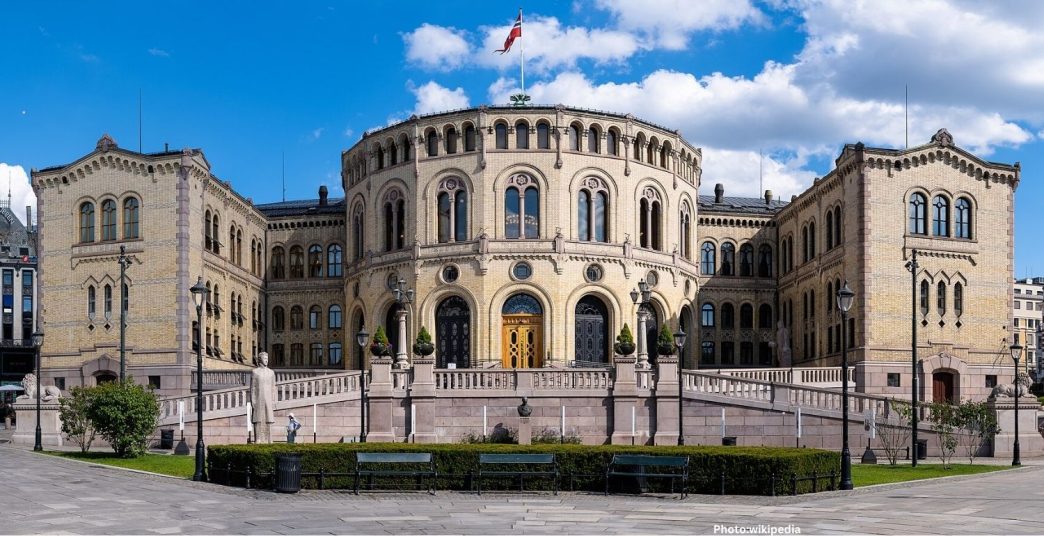
Norway has been identified as the richest country in the world for 2026, according to a new Prosperity Index that emphasizes income distribution and social indicators over traditional GDP measures. This assessment reflects a changing understanding of national prosperity.
In a significant reevaluation of global wealth metrics, Norway has been designated as the richest country in the world for 2026, according to a recent report by the financial services comparison platform HelloSafe. This analysis highlights a shift in the criteria used to measure wealth, moving beyond the traditional reliance on Gross Domestic Product (GDP) to consider how economic output translates into the daily lives of citizens.
HelloSafe’s report argues that GDP per capita can often create a misleading representation of national wealth. For example, Ireland boasts a GDP per capita of approximately $150,000 in purchasing power terms, largely driven by multinational corporations like Apple, Google, and Pfizer. However, there exists a notable disparity between this figure and the average household income, which is estimated to be about $70,000 lower per person. Such discrepancies raise important questions about the equitable distribution of wealth within nations.
HelloSafe’s Prosperity Index Methodology
The Prosperity Index developed by HelloSafe ranks over 50 countries using a combined score out of 100, taking into account various factors including income levels, inequality, and broader social indicators. The methodology draws on data from reputable organizations such as the International Monetary Fund (IMF), the World Bank, the United Nations Development Programme (UNDP), Eurostat, and the Organisation for Economic Co-operation and Development (OECD). This comprehensive approach aims to provide a more nuanced understanding of prosperity that reflects both economic performance and the quality of life for citizens.
According to the report, the top five countries in the Prosperity Index are all located in Europe, underscoring the continent’s ongoing dominance in measures of wealth and social well-being. Norway leads the ranking, bolstered by the highest Gross National Income (GNI) in the world, which accounts for all income earned by a country’s residents and businesses, including those generated abroad. Norway’s success is also attributed to its well-balanced social model, which promotes equitable wealth distribution.
Ireland follows in second place, benefiting from high real incomes despite the inflated GDP figures driven by its multinational sector. Luxembourg, which had previously held the top ranking since the inception of the index, has slipped to third place. Other high performers include Iceland in fifth place, recognized for its strong human development indicators and low levels of relative poverty.
Global Rankings and Comparative Analysis
In stark contrast, countries outside of Europe show varying levels of prosperity. The United States ranks 17th, illustrating a complex interplay of economic strength alongside significant income inequality and relative poverty. France finds itself ranked 20th, just behind the Czech Republic, which benefits from one of the most equitable income distributions in Europe and maintains a low relative poverty rate.
At the lower end of the European spectrum, nations such as Italy, Spain, and Estonia display more modest scores, reflecting lower income levels and, in Spain’s case, higher rates of relative poverty. These rankings indicate that economic performance does not necessarily correlate with social well-being, a theme echoed throughout the Prosperity Index findings.
In Africa, the Seychelles emerges as the continent’s top-ranked nation, propelled by the highest GDP per capita in the region, commendable human development scores, and relatively low levels of inequality. Mauritius and Algeria follow in the rankings. In Latin America, Uruguay has claimed the top position for the first time, noted for having the region’s highest GNI, lowest poverty rates, and the most equitable income distribution, with Chile and Panama closely trailing behind.
In Asia, Singapore leads the rankings, although it faces challenges related to higher inequality, followed by Qatar and the United Arab Emirates.
Implications of the Findings
The results of HelloSafe’s Prosperity Index challenge the conventional understanding of what it means to be a “rich” country, suggesting that wealth is no longer solely defined by output. The data indicates that the equitable distribution of wealth, as well as social outcomes such as health, education, and poverty levels, play critical roles in determining national prosperity. This evolving perspective has significant implications for policymakers and economic analysts, highlighting the need to address income inequality and enhance social welfare in discussions surrounding national wealth.
As countries navigate the complexities of global economic dynamics, the findings from this index may serve as a valuable tool for understanding the multi-faceted nature of prosperity. By focusing on both economic performance and social equity, nations may be better equipped to foster inclusive growth that benefits all citizens.