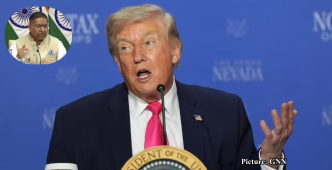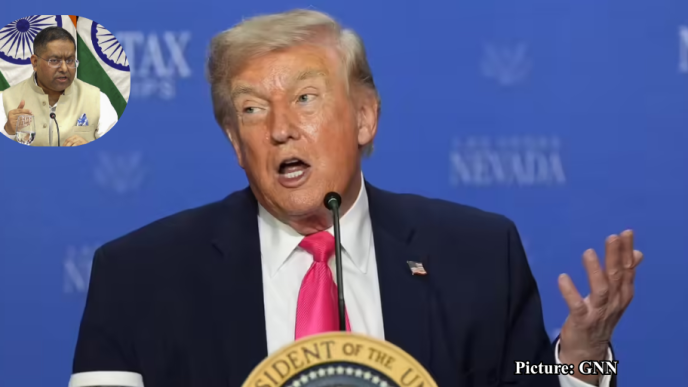
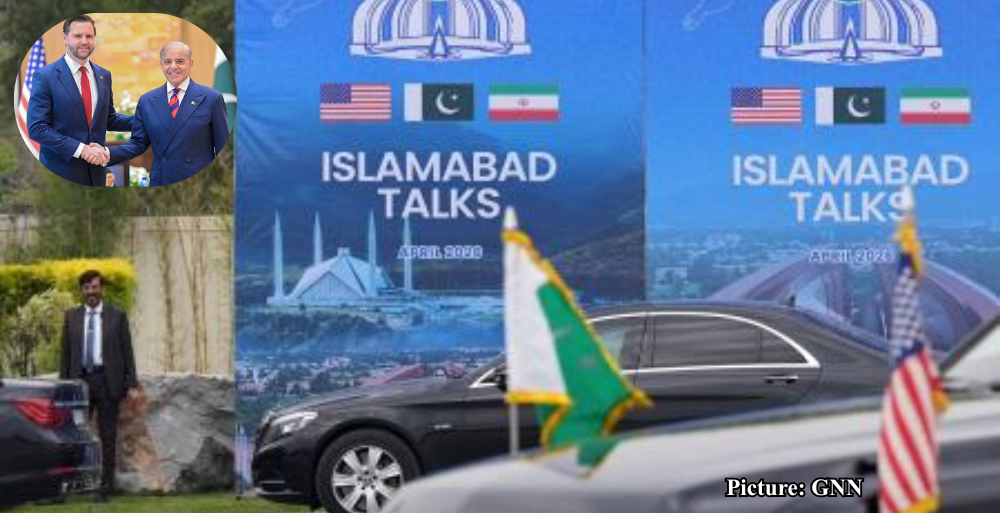
The ongoing U.S.-Iran negotiations hosted by Pakistan have sparked criticism of India’s foreign policy, raising concerns about Prime Minister Modi’s ability to position India as a leader in global diplomacy.
April 22, 2026 – In a notable shift in the geopolitical landscape, India is facing scrutiny over its diplomatic efficacy as Pakistan emerges as a mediator in high-stakes talks between the United States and Iran. This development unfolds against the backdrop of Indian Prime Minister Narendra Modi’s efforts to establish India as a central player within the Global South, asserting the country’s importance in international affairs. However, the ongoing conflict in the Middle East and the resulting economic ramifications have left India reassessing its role in regional and global diplomacy.
Background of U.S.-Iran Relations
The relationship between the U.S. and Iran has been historically contentious, characterized by a series of sanctions, military confrontations, and diplomatic standoffs. The Biden administration has sought to engage Iran through negotiations aimed at nuclear non-proliferation while also addressing broader regional stability. The latest cease-fire agreement announced on April 8, 2026, as part of these discussions, has underscored the shifting diplomatic dynamics in South Asia and the Middle East.
Pakistan’s ability to host these talks has raised eyebrows in New Delhi, particularly given India’s strategic relationships in the region and its geographic proximity to Iran. Critics within India have pointed to this as a significant diplomatic failure, questioning Modi’s foreign policy strategy, which has often been characterized by a personal touch and grand promises of leadership.
Political Reactions in India
In response to Pakistan’s role as a mediator, Indian Foreign Minister Subrahmanyam Jaishankar initially downplayed the significance of this development. He referred to Pakistan’s involvement using a disparaging term that implies an unsavory intermediary role, signaling the Indian government’s frustration with its neighbor’s newfound diplomatic prominence. However, this reaction has not mitigated the wave of criticism directed at Modi’s administration.
Jairam Ramesh, a prominent spokesperson for the opposition Congress Party, articulated his concerns by highlighting that Pakistan’s involvement represents a significant setback for Modi’s diplomatic efforts. Ramesh took to the social media platform X, where he mocked Modi’s self-designation as a ‘vishwaguru’—or ‘teacher of the world’—indicating a disconnect between Modi’s diplomatic aspirations and the current reality. According to Ramesh, this misstep in foreign policy not only undermines the substance of India’s diplomatic engagements but also adversely affects its style and global image.
Asaduddin Owaisi, a leading Muslim politician in India, echoed these sentiments, lamenting that India would have been a more fitting venue for the U.S.-Iran talks were it not for the Modi government’s foreign policy missteps. His comments reflect a broader discontent within political circles regarding India’s diminished capacity to influence significant negotiations that affect regional stability.
Implications for India’s Global Standing
The backdrop of these diplomatic challenges is particularly concerning for India as it navigates economic uncertainties exacerbated by the ongoing conflict in the Middle East. The volatility in this region directly impacts global oil prices, which is of paramount importance to India, one of the world’s largest oil importers. A decrease in India’s influence over regional matters could have significant repercussions for its economic stability, especially as the country continues to recover from the impacts of the COVID-19 pandemic.
This situation invites a reevaluation of India’s foreign policy strategies. The Modi administration has long sought to assert India’s leadership on the global stage, particularly within the context of the Global South, where it aims to position itself as a counterbalance to Western hegemony. However, the recent developments emphasize the need for a more pragmatic and strategically aligned approach to diplomacy that can effectively respond to the realities of a rapidly changing geopolitical environment.
The Future of India-Pakistan Relations
The emergence of Pakistan as a key player in U.S.-Iran negotiations not only raises questions about India’s diplomatic strategy but also highlights the shifting power dynamics within South Asia. As both nations grapple with their historical rivalry, the current scenario presents an opportunity for India to reconsider its diplomatic posture. Addressing the challenges posed by its neighboring country and recalibrating its foreign policy could be pivotal for India’s aspirations to reclaim its status as a regional leader.
The Modi government now stands at a critical juncture, tasked with the challenge of restoring India’s relevance in international affairs. The ability to respond effectively to these diplomatic setbacks will play a crucial role in determining India’s standing on the global stage and its relationships with other countries in the region. As the situation continues to evolve, the Modi administration must demonstrate adaptability and foresight to ensure that India remains a significant player in key global discussions.