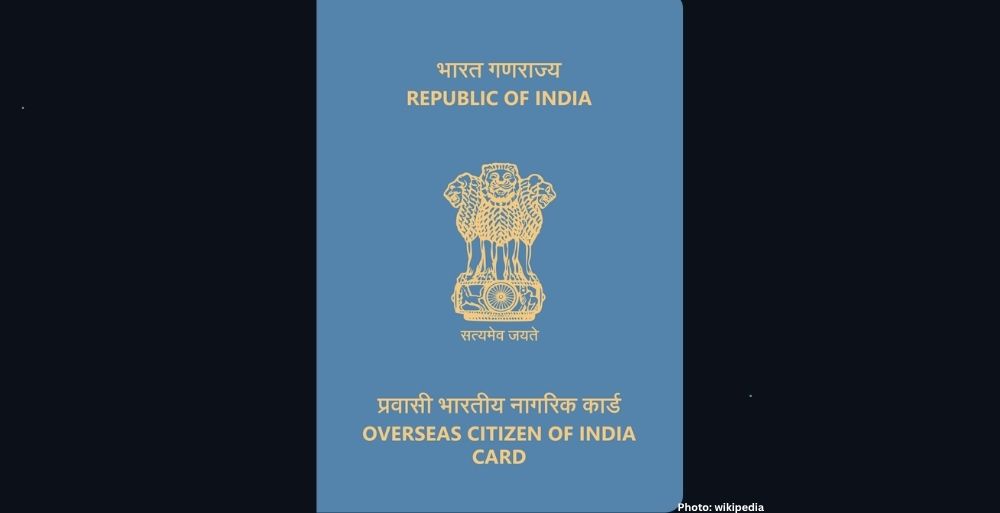
In October 2023, India has implemented a revised fee structure and compliance rules for Overseas Citizen of India (OCI) services, increasing costs for overseas applicants and tightening compliance timelines.
Beginning this month, the Government of India has enacted significant changes to the fee structure and compliance requirements for Overseas Citizen of India (OCI) services. These updates, implemented through the Bureau of Immigration and Indian diplomatic missions worldwide, aim to streamline processes but also result in higher charges, particularly for applicants located outside India.
New Fee Structure
The revised fee schedule introduces a notable distinction between applications submitted from within India and those processed overseas. For individuals applying from abroad, the cost of a new OCI application has risen to $275, a substantial increase from the previous amount. In contrast, applicants submitting their applications from India will pay approximately $180 (or Rs 15,000). This disparity raises concerns regarding the financial accessibility of OCI services for the Indian diaspora, especially those living in regions with higher costs of living.
Furthermore, the fees associated with reissuance services, which are necessary when a cardholder turns 20 or updates personal information, have also been modified. The cost for these services is now set at $25 for overseas applicants, while it remains at about $17 (Rs 1,400) within India. For individuals who have lost or damaged their OCI cards, the revised fee stands at $100 abroad, compared to around $112 (Rs 9,386) for applicants filing within India. In addition, the fee for renouncing OCI status has been standardized at $25 for overseas submissions and approximately $17 for those made domestically.
It is essential to recognize that applicants filing from outside India will incur additional service charges imposed by outsourcing agencies such as VFS Global and BLS International, as well as fees from the Indian Community Welfare Fund (ICWF). These added costs could further complicate financial considerations for overseas applicants, leading to questions about the overall affordability and accessibility of OCI services.
Stricter Compliance Timelines
In addition to the increased fees, the revised rules introduce stricter compliance timelines for OCI cardholders. Under the new regulations, applicants are required to upload details of their new passports and recent photographs within three months of passport issuance. Failure to adhere to this timeline will result in a late fee of $25 (approximately $28 in India). This requirement is intended to improve the accuracy and currency of official records; however, it may pose challenges for some applicants who may struggle to meet the deadlines due to various personal or logistical circumstances.
Moreover, the physical reissuance of OCI cards is now mandatory only once—specifically after a new passport is issued for cardholders who are over 20 years old. For most other cases, including renewals for those aged between 21 and 50, and individuals over 50, updates can be completed online at no cost if performed within the designated three-month period. This adjustment is viewed as a move to streamline the reissuance process and reduce the need for in-person visits to Indian diplomatic missions abroad.
Country-Specific Updates for Canada
A noteworthy update affecting OCI applicants in Canada has been announced. As of April 5, 2023, all OCI applications must be submitted in person at BLS International centers for biometric collection, which has resulted in the discontinuation of postal submissions. This change may complicate the application process for Canadian applicants seeking OCI status, as it necessitates physical presence at designated locations, potentially leading to increased travel and wait times.
Additionally, it is crucial to highlight that all Persons of Indian Origin (PIO) cards expired as of December 31, 2025, and are no longer valid for entry or stay in India. This expiration necessitates that PIO cardholders transition to OCI status to retain their rights and privileges associated with Indian citizenship. The transition from PIO to OCI is now more urgent than ever, given the revised application processes and the impending expiration of PIO cards.
Implications of the Revised Rules
The adjustments to the OCI fee structure and compliance rules reflect a broader trend towards tightening regulations regarding overseas Indian citizenship. As the Indian government engages with its global diaspora, these changes may significantly impact the relationship between the state and its overseas citizens. The increased fees and stricter compliance requirements could raise concerns about the accessibility and affordability of OCI services for many individuals living abroad, particularly those from low- and middle-income backgrounds.
Analysts suggest that while these changes may streamline certain processes and enhance operational efficiency, they may also deter some potential applicants from pursuing OCI status. As India continues to evolve its policies concerning overseas citizens, the implications of these changes will likely be closely scrutinized by both the Indian diaspora and policymakers alike.
In conclusion, the recent updates to OCI services signify a pivotal moment for overseas Indian citizens. While the Indian government aims to modernize and enhance the OCI application process, the increased costs and compliance expectations raise critical questions about the future of overseas citizenship for many. The impact of these changes will be observed closely as applicants navigate the new landscape of OCI services in the coming months.