The ongoing military operations in Iran could incur costs for U.S. taxpayers that exceed $1 trillion, according to a recent analysis by a Harvard expert, raising concerns about the long-term fiscal implications for the nation.
As the United States embarks on a joint military operation with Israel against Iran, early estimates reveal that the financial implications for U.S. taxpayers may far exceed initial official projections. Professor Linda Bilmes, a public policy expert at the Harvard Kennedy School, has conducted a detailed analysis suggesting that the costs associated with this conflict could reach a staggering $1 trillion, driven by both immediate military expenditures and long-term fiscal obligations.
The Pentagon’s briefing to Congress indicated that within the first six days of the operation, which commenced on February 28, the financial cost had already reached approximately $11.3 billion. This figure represents only the initial phase of military engagement, following U.S. forces’ decision to enforce a blockade on Iranian ports after peace talks failed over the weekend.
Short-Term Financial Impact
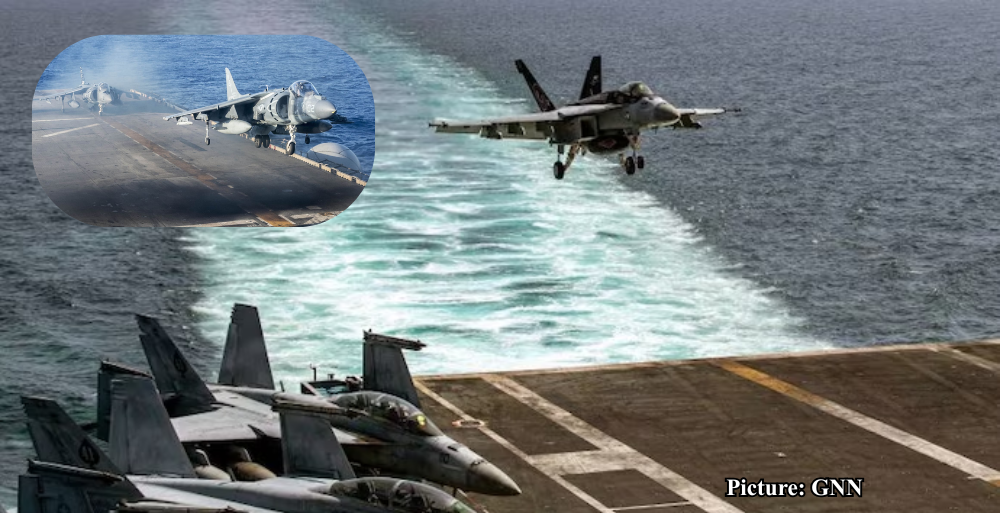
In her research, published just before the announcement of a temporary ceasefire on April 8, Bilmes projected that the short-term costs of the conflict could average around $2 billion per day over an estimated 40 days of active fighting. This estimate encompasses a range of expenses, including costs related to munitions, troop deployments, and damage to military assets. Notably, the operational challenges have also resulted in incidents such as the downing of three F-15 fighter jets due to friendly fire from Kuwait.
Bilmes argues that the Pentagon’s financial reporting often underestimates actual costs. She explained, “These gaps are one reason why the reported $11.3 billion is closer to $16 billion, reflecting a persistent mismatch between what the Pentagon reports in real time and what the war actually costs.” This discrepancy stems from the Pentagon’s tendency to value its inventory based on historical figures rather than the current replacement costs, which can be significantly higher.
Furthermore, contracts with defense contractors such as Lockheed Martin and Boeing for military interceptors and missiles could significantly escalate costs. Bilmes highlighted that replenishing interceptors is estimated to cost around $4 million each, in stark contrast to the significantly lower production costs of Iranian drones, which can be manufactured for approximately $30,000.
Long-Term Consequences
Beyond the immediate financial outlay, Bilmes emphasizes that the long-term repercussions of the conflict may impose severe financial burdens. The costs associated with the reconstruction of damaged infrastructure and military assets, both for U.S. forces and allied nations in the Gulf, will further strain taxpayers. Additionally, the potential lifetime disability benefits for approximately 55,000 deployed troops exposed to environmental hazards will create ongoing fiscal obligations for the government.
In response to these escalating costs, the White House has requested Congress to approve an increase in the defense budget, proposing a total expenditure of $1.5 trillion. This request represents the largest expansion in military spending since World War II, and notably, it does not include an additional $200 billion earmarked specifically for the conflict in Iran. Bilmes remarked, “Even if Congress does not agree to approve the full increase, it is highly likely that at least $100 billion per year will be added to the base defense budget that would not have been approved in the absence of this war.”
Comparative Fiscal Context
The financial implications of the Iran conflict are further compounded by the current state of U.S. national debt, which has escalated to over $31 trillion—up from under $4 trillion during the Iraq War, which ultimately cost around $2 trillion. Bilmes stated, “We are borrowing to finance this war at higher rates, on top of a much larger debt base.” She further explained that interest costs alone will add billions to the overall expenditure of the conflict, presenting a significant financial burden that future generations will inherit.
In comparing the current situation to past military engagements, the stark contrast in fiscal conditions is striking. During the Iraq War, the national debt was significantly lower, which means that the current circumstances are more precarious. The additional costs associated with ongoing military operations are expected to exacerbate the already ballooning national debt, leading to greater financial implications for taxpayers.
Conclusion
In summary, while the immediate costs of the military operation against Iran are staggering, the long-term fiscal consequences could impose lasting implications for U.S. taxpayers. As discussions regarding military funding and national debt continue to unfold, Professor Bilmes’ findings serve as a critical reminder of the financial realities associated with sustained military engagements. The analysis raises urgent questions about fiscal responsibility and the implications of continued military operations in regions of conflict, urging policymakers to consider the long-term effects on the nation’s financial health.