The United States has witnessed a dramatic increase in hate crimes, particularly affecting Latino and Sikh communities, sparking serious concerns about social intolerance and the effectiveness of protective measures for marginalized groups.
In 2025, the Federal Bureau of Investigation (FBI) reported a significant rise in hate crimes across the United States, sharply impacting Latino and Sikh communities. This increase has raised critical questions about the ongoing challenges of social intolerance and the efficacy of existing protections for vulnerable populations.
According to preliminary data from the FBI, overall hate crimes in the U.S. surged by an alarming 88% from 2015 to 2025. This period marked one of the highest levels of hate crimes in the 34 years that the FBI has been tracking these incidents. Notably, for the first time, anti-Latino bias ranked among the top three most targeted categories for hate crimes, reflecting a troubling shift in societal attitudes.
Significant Increases in Anti-Latino and Anti-Sikh Hate Crimes
In 2025, incidents of anti-Latino hate crimes increased by 239%, making it one of the most rapidly growing categories of hate offenses. Experts attribute this spike to the intensification of divisive political rhetoric, particularly during the Trump administration, which heightened immigration enforcement and characterized immigrants in a negative light.
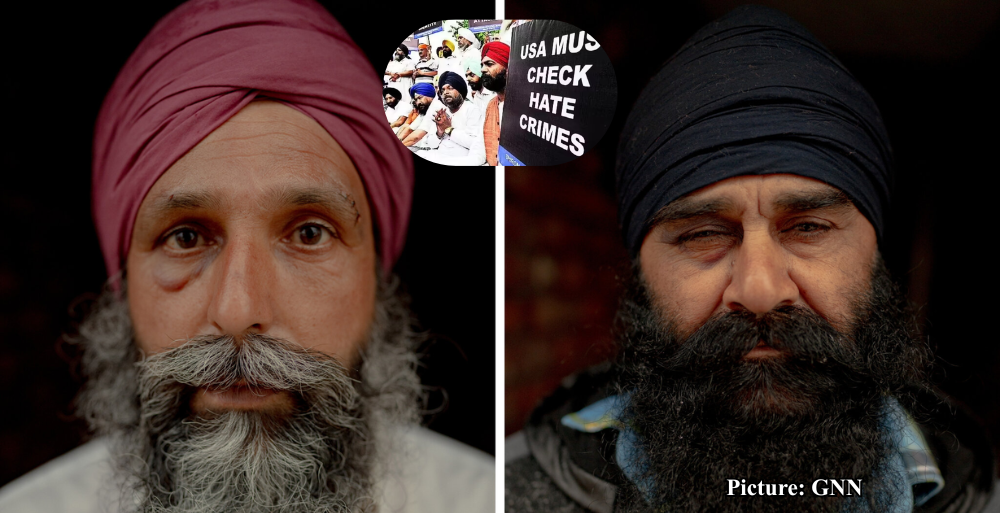
Moreover, anti-Sikh hate crimes saw an extraordinary rise from just six reported cases in 2015 to 228 in 2025, representing a staggering 3,700% increase. It is crucial to note that the categorization of anti-Sikh incidents was only introduced in 2015, which may partially explain the sharp rise in reported cases. Brian Levin, a hate crime expert and director of the Center for the Study of Hate and Extremism, emphasized that the visibility of specific groups can significantly influence the prevalence of hate crimes against them. He stated, “Whoever is the target of a particular sticky type of stereotype, particularly a fear-inducing one, you’ll see that particular group spike.”
A report from the Sikh Coalition, a civil rights organization established in the wake of the September 11 attacks to advocate for Sikh Americans, highlighted that the Sikh community was the third most targeted religious group in the U.S. in 2024, following Jewish and Muslim communities. This statistic underscores the urgent need for targeted interventions to protect these vulnerable populations.
Additional Trends in Hate Crimes
The FBI’s data reveals that the increase in hate crimes extends beyond the Latino and Sikh communities, encompassing a range of other marginalized groups. The following categories have also experienced significant surges in hate crimes over the last decade:
- Anti-Trans: Hate crimes targeting transgender individuals experienced the most significant increase, surging by 395%. Despite a recent 6% decline, anti-trans crimes remain 98% above their 13-year average, amid a wider context of anti-LGBTQ+ legislation and increasing societal discrimination.
- Anti-Asian: Hate crimes against Asian individuals climbed by 195%, indicating a troubling and sustained upward trend throughout the decade, particularly during the COVID-19 pandemic when anti-Asian sentiment surged.
- Anti-Jewish: Incidents of anti-Jewish hate crimes rose by 123% over the decade. However, there has been a 29% decrease in recent incidents, suggesting that the spike following the October 7, 2023, Hamas attack on Israel may be beginning to ease.
- Anti-Black: Hate crimes targeting Black individuals have increased by 66%, reflecting ongoing racial tensions and systemic inequalities.
- Anti-white: Incidents of hate crimes against white individuals saw a 51% rise, indicating a complex landscape of racial dynamics in the U.S.
- Anti-gay (male): Hate crimes in this category recorded the smallest increase among the listed categories, at 27%, highlighting that while violence against LGBTQ+ individuals remains a serious concern, it has not escalated at the same rate as other categories.
Implications and Responses
The comprehensive data from the FBI paints a concerning portrait of rising intolerance and targeted violence in American society. These marked increases in hate crimes against various communities highlight persistent prejudices and underscore the critical need for effective measures to protect vulnerable groups and foster social cohesion.
Advocates and community leaders have called for enhanced legislation and community programs aimed at combating hate crimes and supporting affected individuals. There are growing calls for the federal and state governments to implement comprehensive hate crime prevention strategies, including educational initiatives to promote tolerance and understanding among different communities.
The surge in hate crimes also raises questions about law enforcement’s ability to adequately address these incidents and protect marginalized populations. Community organizations emphasize the need for better training for law enforcement personnel to recognize and respond to hate crimes effectively.
As the nation grapples with these challenges, it is crucial for policymakers, community leaders, and citizens to work collaboratively to create a more inclusive and safe society for all individuals, regardless of their background.