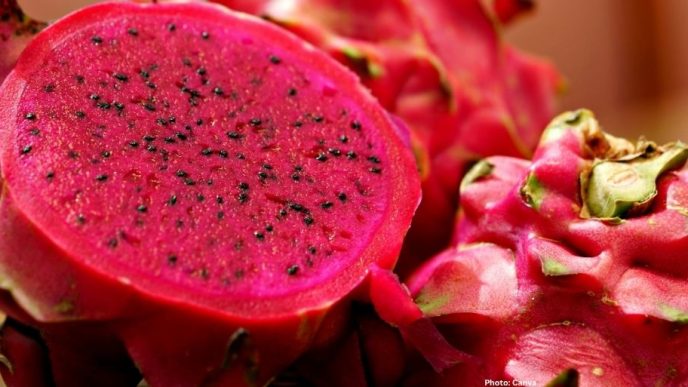

While fruits are not typically recognized as significant sources of zinc, certain varieties can contribute modestly to daily intake, complementing other nutrient-rich foods essential for health.
Zinc is an essential mineral that plays a critical role in various bodily functions, particularly in maintaining a robust immune system. According to the National Institutes of Health (NIH), men require approximately 11 milligrams of zinc daily, while women need about 8 milligrams to support overall health and physiological functions.
The importance of zinc extends beyond mere dietary needs; it is vital for immune function, wound healing, taste perception, and metabolism, particularly in breaking down carbohydrates. Given its numerous health benefits, understanding dietary sources of zinc is crucial for individuals aiming to meet their nutritional requirements.
The Significance of Zinc in Diet
Registered dietitian Lisa Young emphasizes that while fruits are not considered “zinc powerhouses,” every little contribution counts. She notes, “Fruit isn’t a zinc powerhouse — it’s a fiber powerhouse. But every little bit counts.” Zinc is crucial for fighting off infections by regulating the immune response and preventing potentially harmful inflammation. This is particularly significant for vulnerable populations, including vegetarians, vegans, and pregnant or breastfeeding women, who may struggle to obtain sufficient levels of the nutrient.
For those following plant-based diets, animal products such as meat, seafood, and dairy are often the primary sources of zinc. However, various fruits can provide a small but notable contribution to daily zinc intake. While fruits generally contain less than 1 milligram of zinc per serving, they can be integrated into meals and snacks to enhance overall nutrient diversity.
Fruits with Notable Zinc Content
Here is a closer look at some fruits that contain relatively higher amounts of zinc, along with their associated health benefits:
- Blackberries: A cup of blackberries provides 0.7 milligrams of zinc. These berries are low in calories and carbohydrates while being high in fiber and antioxidants, particularly anthocyanins, which contribute to their anti-inflammatory properties.
- Cantaloupe: Also providing 0.7 milligrams of zinc per cup, cantaloupe is rich in beta carotene, an antioxidant that supports eye health through nutrients like lutein and zeaxanthin.
- Pomegranate: One cup of pomegranate arils contains 0.6 milligrams of zinc. This fruit is not only a source of dietary fiber but also provides essential vitamins and minerals, making it a recommended topping for yogurt or salads.
- Raspberries: A cup of raspberries offers 0.5 milligrams of zinc. Known for their high fiber content, raspberries are also rich in antioxidants, including vitamin C and potassium, making them a healthful snack option.
- Guava: This tropical fruit delivers 0.4 milligrams of zinc per cup, along with a notable amount of vitamin C, further supporting immune health. Guava can be enjoyed in various forms, such as smoothies or jams.
- Apricot: With 0.3 milligrams of zinc per cup, apricots are unique for their calcium and iron content, alongside a variety of antioxidants such as vitamin E.
- Avocado: One-third of an avocado contains about 0.3 milligrams of zinc. This creamy fruit is rich in healthy fats associated with heart health and weight management.
- Kiwi: A cup of kiwi provides approximately 0.2 milligrams of zinc. This bright green fruit is recognized for its high fiber content and antioxidant properties, especially when consumed with the skin.
- Dried Figs: A quarter-cup serving of dried figs contains about 0.2 milligrams of zinc. These naturally sweet fruits are not only a source of energy but also provide soluble fiber, which supports healthy digestion and blood sugar levels.
Enhancing Zinc Intake through Meal Combinations
While fruits alone may not deliver substantial levels of zinc, they can significantly enhance meals when paired with other zinc-rich foods. Young advises that combining fruits with items such as yogurt, nuts, or whole grains can create a more balanced intake of zinc, providing dietary diversity and additional health benefits. For example, a yogurt topped with nuts and raspberries not only offers flavor but also increases the zinc content of the meal, making it more nutritious.
In conclusion, while fruits may not be the primary source of zinc in the diet, their inclusion can contribute positively to overall nutrient intake. As dietary habits evolve and health awareness continues to rise, understanding the role of various foods in nutrient provision—especially for essential minerals like zinc—remains critical for public health and nutrition. This knowledge can empower individuals to make informed dietary choices that support their health goals.