
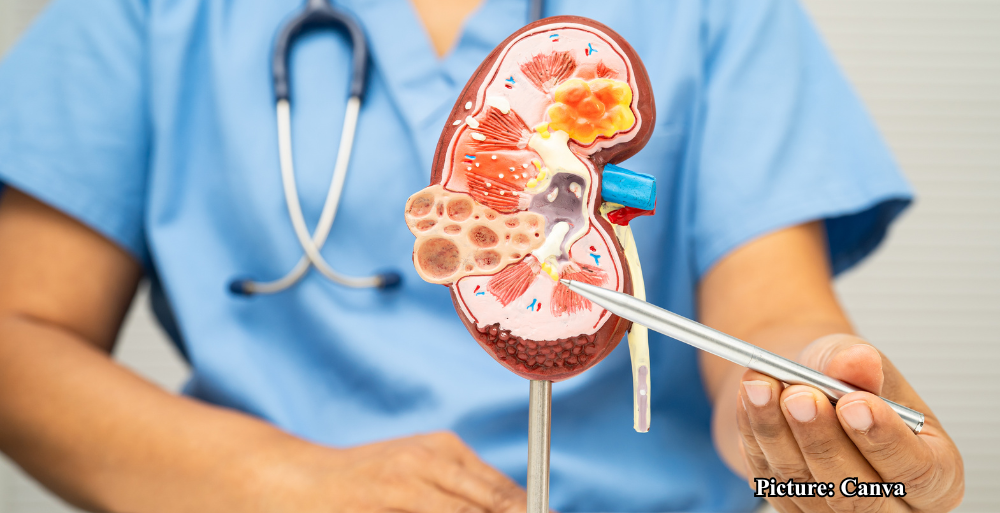
Drinking water in the morning is essential for kidney health as it aids in waste dilution, enhances hydration, and promotes effective blood flow, according to nutrition experts.
In a recent discussion on kidney health, experts emphasize the significance of drinking water first thing in the morning. This practice not only aids in waste dilution but also supports crucial bodily functions. Melanie Betz, a registered dietitian nutritionist, highlights that, “Your kidneys are responsible for getting rid of the waste from everything you eat and drink. So, it isn’t surprising that nutrition has the potential to be both incredibly helpful or harmful to kidney health.”
The kidneys are vital organs that filter blood, remove waste, and produce urine. Given their crucial role, the type of fluids consumed can significantly impact their functionality. Dietitians unanimously recommend water as the optimal morning beverage to promote kidney health.
Diluting Waste for Optimal Kidney Function
After a night’s sleep, most individuals go several hours without water intake. According to Beverly Garden, a registered dietitian, “Water is the best morning drink for your kidneys because it gives your kidneys what they need to start the day doing their job.” This initial hydration helps dilute waste products, enabling the kidneys to filter more effectively.
The kidneys are comprised of over a million nephrons that function as a filtration system. The glomerulus filters blood while the tubule reabsorbs necessary substances and eliminates waste. Jen Hernandez, also a registered dietitian, adds that, “Water and fluids are what keep that system running efficiently. When you’re well-hydrated, the kidneys can easily filter waste products and excess vitamins and minerals out of the body by flushing them out through urine.” Research indicates that maintaining a urine output of at least three liters daily is associated with better long-term kidney function, while lower output correlates with a decline in kidney health.
Hydration’s Role in Kidney Health
While the assertion that water keeps you hydrated may seem obvious, its importance cannot be overstated. Betz emphasizes that dehydration can severely impair kidney function, potentially leading to chronic kidney disease. “Water is cheap, accessible, and is the best way to hydrate for the vast majority of people,” she states, suggesting that fancy electrolyte powders are unnecessary for most.
When the body is dehydrated, the kidneys not only filter less but also influence blood pressure through hormonal mechanisms. When faced with reduced blood volume, the kidneys release renin, initiating a series of hormonal changes that can elevate blood pressure and increase sodium and water retention. Chronic dehydration can lead to a decline in kidney function and increase the risk of developing kidney stones, as noted by Garden.
Maintaining Blood Flow to the Kidneys
Maintaining adequate hydration is critical for sustaining blood flow to the kidneys. Dehydration can diminish blood volume, which triggers blood vessel constriction and elevates blood pressure to maintain circulation. While drinking water alone may not resolve high blood pressure, it is a crucial component of overall kidney health.
High blood pressure ranks as a significant cause of kidney failure in the United States. Over time, narrowed blood vessels in the kidneys can become damaged, impeding their ability to filter blood effectively. Staying hydrated helps reduce strain on the heart and ensures sufficient blood flow to the kidneys.
Incorporating More Water into Your Routine
Integrating water consumption into daily routines can be achieved in various ways. One effective strategy is to pair water with existing habits. For instance, keeping a glass of water next to your toothbrush encourages hydration during morning dental care. Garden suggests that pairing water with coffee can also be beneficial, as the water content in coffee contributes to hydration goals. Additionally, tea, particularly green tea, is recognized for its antioxidant properties and potential to support kidney health.
Additional Tips for Healthy Kidneys
Experts agree that dietary choices significantly influence kidney health. Diabetes and high blood pressure are the leading causes of kidney disease, while factors such as age and genetics are beyond our control. However, lifestyle choices, particularly diet, are within our purview. Hernandez advises following balanced dietary patterns such as the Mediterranean and DASH diets, which are rich in fruits, vegetables, whole grains, and plant-based proteins.
Limiting the intake of sugary beverages is also crucial, as excessive sugar consumption is linked to an increased risk of diabetes, a known risk factor for kidney disease. Research indicates that consuming more than seven servings per week of sugar-sweetened beverages can significantly heighten the risk of chronic kidney disease.
Furthermore, awareness of individual risk factors is essential. Despite the fact that approximately one in seven U.S. adults have chronic kidney disease, many remain unaware of their condition. Early detection is vital, especially for those with risk factors such as a family history of diabetes or heart disease, obesity, or age over 60.
In conclusion, prioritizing water intake in the morning serves as a simple yet effective strategy for promoting kidney health. Hydration plays a pivotal role in waste dilution, hydration maintenance, and optimal blood flow, ultimately aiding the kidneys in their essential functions. By adopting healthy dietary practices and being mindful of hydration, individuals can significantly contribute to their kidney health.