
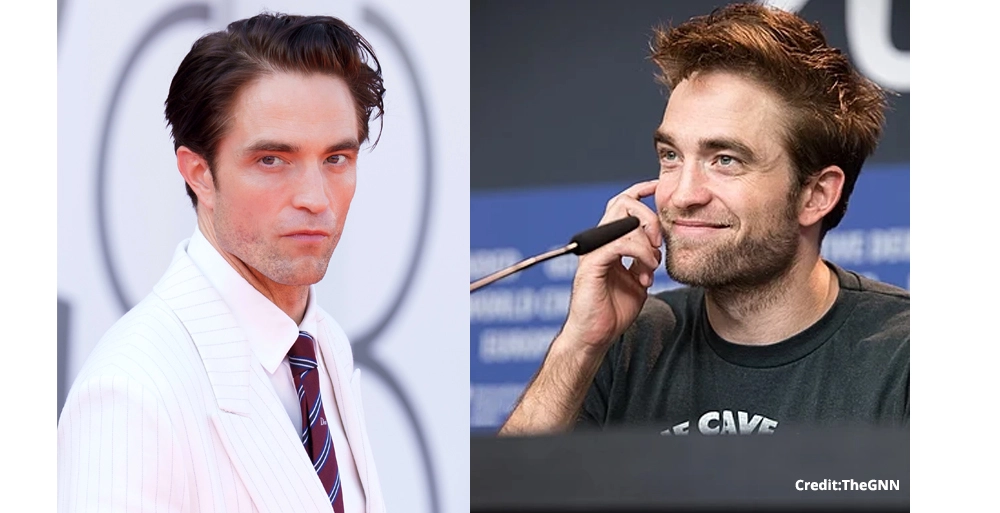
Robert Pattinson’s casting as the next James Bond has elicited a blend of enthusiasm and skepticism, reflecting the complexities of evolving cinematic expectations.
In a landmark announcement for the enduring James Bond franchise, actor Robert Pattinson has been selected to portray the iconic character of 007. This decision marks a significant transition for the series, which has enjoyed immense popularity and cultural significance since its inception in the 1950s. Pattinson replaces Daniel Craig, who redefined the role over his 15-year tenure, bringing a grittier and more nuanced portrayal that resonated with both critics and audiences.
A Brief History of the James Bond Franchise
The James Bond series, originally based on Ian Fleming’s novels, has captivated audiences for over six decades. The character of Bond, often depicted as a suave and sophisticated spy, has undergone numerous transformations through various actors, including Sean Connery, Roger Moore, and Pierce Brosnan. Each interpretation has contributed to the evolution of Bond, with Craig’s tenure being particularly notable for its focus on character depth and emotional vulnerability.
Craig’s portrayal, commencing with “Casino Royale” in 2006, introduced a more humanized version of Bond, emphasizing psychological complexity alongside traditional action and espionage tropes. This shift has paved the way for new interpretations of the character, aligning with contemporary audience expectations and societal attitudes.
Pattinson’s Selection: Public Sentiment and Criticism
Pattinson, widely recognized for his roles in the “Twilight” saga and critically acclaimed films like “The Lighthouse,” has sparked a varied response from fans and critics alike. While many applaud his acting prowess and versatility, others have raised concerns regarding his physicality and suitability for a role historically associated with rugged masculinity and military prowess.
Critics have articulated their reservations, arguing that Pattinson’s appearance diverges from the traditional image of Bond, which is often informed by a background in elite military organizations such as the British Special Air Service (SAS) and Special Operations Executive (SOE). One prominent voice in the debate stated, “He isn’t who I would’ve picked because he is too pretty and feminine-appearing for what Bond is based on his background.” This sentiment reflects a broader concern that Bond’s character requires a specific physicality, one that suggests experience in high-stakes combat and survival.
Many observers note that operatives in the SAS typically exhibit a more rugged build, often described as fit but not conventionally attractive. This notion of anonymity is crucial for effective spies, who are trained to blend into their environments while maintaining a low profile. According to critics, Pattinson’s casting challenges these established norms, which raises questions about the direction of the franchise.
Optimism for Pattinson’s Potential as Bond
Despite the skepticism surrounding Pattinson’s casting, there are numerous voices advocating for his potential success in the role. Proponents highlight his ability to convey complex emotional narratives, suggesting that he could bring a fresh perspective to Bond’s character. One commentator expressed optimism, stating, “I think he’ll wear the tuxes extremely well and do the highbrow scenes better than many before. He’ll be believable when Bond girls fall for him.” This perspective underscores a belief that Pattinson can successfully navigate the emotional and intellectual facets of Bond, even if he does not conform to the traditional physical archetype.
The public’s reception, particularly within the UK, will be instrumental in shaping Pattinson’s legacy as Bond. His established fan base, coupled with his appeal to younger demographics, may rejuvenate interest in the franchise as it looks to attract a new generation of viewers. The casting of a younger actor could also signal a shift towards a longer-term vision for the character, allowing for greater exploration of Bond’s complexities and vulnerabilities.
The Future of the James Bond Franchise
Pattinson’s casting reflects a broader trend in Hollywood toward challenging conventional casting norms and embracing diverse interpretations of iconic characters. As the film industry continues to evolve in response to changing audience dynamics and expectations, Pattinson’s selection may herald a new era of inclusivity and representation in major franchises.
As production gears up, it will be crucial to observe how the creative team—comprising directors, producers, and writers—choose to shape this new iteration of Bond. The upcoming film’s direction could either reinforce traditional elements of the character or diverge into unexplored territory. Whether Pattinson can successfully embody the essence of James Bond while infusing his unique interpretation remains to be seen. Nevertheless, the anticipation surrounding his performance is likely to captivate audiences and drive discussions as the franchise embarks on its next chapter.
In conclusion, the decision to cast Robert Pattinson as the next James Bond underscores the complexities inherent in modern filmmaking, where traditional archetypes are increasingly challenged. As the franchise seeks to balance legacy with innovation, Pattinson’s portrayal may very well redefine the character for future generations, setting the stage for a new evolution of the iconic spy.