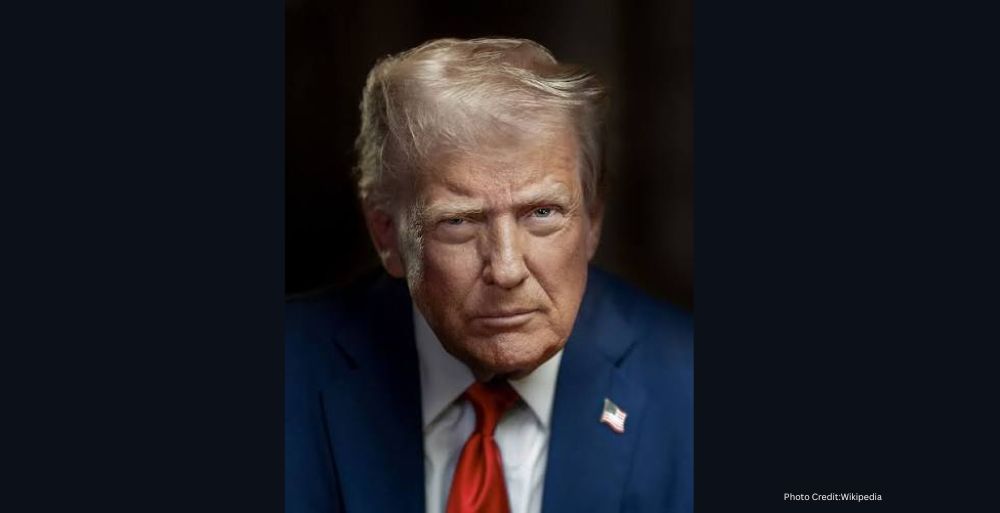
Former President Donald Trump faces a significant decline in his wealth and political influence after Democrats achieved notable victories in the recent midterm elections, directly impacting his financial assets tied to his brand.
Former President Donald Trump has experienced a substantial decline in his wealth in the wake of the Democratic Party’s significant victories in the midterm elections held on November 8, 2024. The election results, which saw Democrats secure a decisive advantage, have exerted downward pressure on the stock price of Trump Media and Technology Group (TMTG), a vital component of Trump’s financial portfolio.
The trading value of TMTG shares fell to just over $5 on November 9, marking an all-time low for the stock. This represents a dramatic decrease from its peak of $101 per share. Following the release of election results, the stock plummeted 11% overnight, dropping from $5.90 as the results began to come in. Trump reportedly holds 114 million shares of DJT, which constitutes over 40% of the stock through a trust, highlighting the direct relationship between his wealth and TMTG’s market performance.
Financial Context and Historical Trends
Despite this recent downturn, Trump’s financial trajectory had previously shown significant growth. A September 2024 analysis by Forbes estimated that Trump was $2.7 billion wealthier than when he assumed the presidency in January 2024. This increase was largely attributed to the performance of various assets related to his brand, including real estate and digital ventures. However, the recent political developments could challenge the sustainability of these financial gains, raising questions about the long-term viability of his wealth.
In addition to TMTG, another notable asset is World Liberty Financial (WLF), which deals in digital tokens. The value of WLF’s governance token has plummeted to less than 5 cents following the elections, a stark contrast to its peak value of 31 cents in early 2025. The decline began in late October, coinciding with heightened volatility in the cryptocurrency market and a cyberattack on Binance that shook investor confidence. Trump’s ownership of approximately 15 billion tokens reflects both his financial stake in the venture and the potential risks associated with such investments.
Trump has previously reported earning over $500 million in profits from the sale of cryptocurrency assets in 2023, as disclosed in his financial statements. The venture, a collaboration with Steven Witkoff, a close associate and real estate developer, extends beyond mere financial interests, as Witkoff has been involved in diplomatic negotiations regarding sensitive geopolitical issues, including those in Gaza, Iran, and Ukraine.
Market Sentiment and Popularity Dynamics
The valuation of both the WLFI tokens and DJT shares is closely tied to Trump’s public image and popularity. Jim Angel, an associate professor at Georgetown University’s McDonough School of Business, noted that investors perceive their investments as a bet on Trump’s popularity rather than on the intrinsic value of the assets themselves. “People think they’re investing in Trump. They really aren’t. They’re really betting on his popularity. Right now, his popularity is at record lows,” Angel stated. This decline in public favor has resulted in the historically low prices of both DJT and World Liberty tokens.
Furthermore, a separate category of digital novelty coins known as $Trump, which generated $636 million in sales in 2025, has also suffered a steep decline. Currently priced around $1.40, these coins initially surged to a value of $45 shortly after their launch in January 2025, but have lost approximately 10% of their value since the election results were announced.
Stablecoins and Regulatory Considerations
In an effort to stabilize its operations, World Liberty Financial has also entered the stablecoin market with its USDI1 coin, pegged to the US dollar to minimize volatility. The Trump administration’s recent decision to grant WLF a banking license adds another layer of complexity to its financial operations and highlights the evolving regulatory landscape for digital currencies. This decision could have far-reaching implications for WLF’s future in the increasingly competitive cryptocurrency market, particularly as regulatory scrutiny intensifies.
Implications for Trump’s Financial Future
The aftermath of the midterm elections prompts a reevaluation of Trump’s financial holdings, with significant implications for his personal wealth and the broader perception of his business ventures. As his political fortunes appear to wane, the repercussions for his financial strategies and assets are becoming increasingly evident. The intersection of Trump’s political and financial futures raises important questions regarding the sustainability of his wealth in light of shifting public sentiment and market dynamics.
In conclusion, the results of the midterm elections have not only impacted the political landscape but have also led to a significant reassessment of Trump’s financial assets. As the former president confronts declining popularity and asset values, the future trajectory of his wealth remains uncertain, highlighting the intertwined nature of his political and financial endeavors. The evolving situation suggests that Trump’s financial empire may be vulnerable to fluctuations in public perception and the broader market environment, necessitating careful navigation as he seeks to maintain his standing in both arenas.