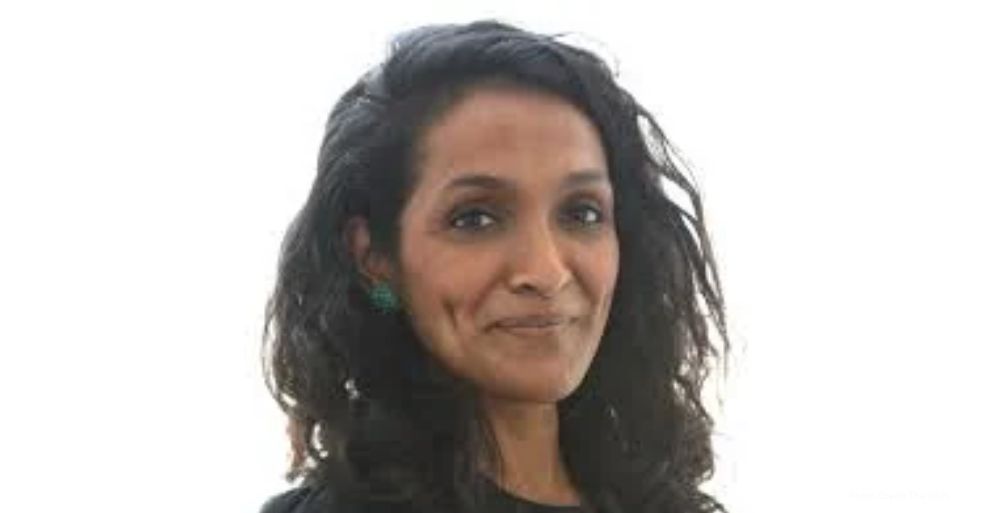
Nithya Raman has taken a slight lead over incumbent Mayor Karen Bass in the closely contested Los Angeles mayoral race, according to preliminary election results. Raman, who entered the race this year as a late challenger, has positioned herself as a candidate for change against the established political order.
Los Angeles City Councilmember Nithya Raman has emerged ahead of incumbent Mayor Karen Bass in the race to lead the nation’s second-largest city, according to partial election returns released Wednesday. This development occurs amid a politically charged environment following the 2025 Palisades fire, an event that significantly impacted Bass’s political standing.
Raman, who first won her council seat in 2020, has campaigned on a platform that challenges the status quo, arguing that Los Angeles has lost its ability to foster growth and innovation. Speaking to a large crowd at the Greek Theatre plaza, she emphasized the importance of hope, stating, “Hopelessness can be fatal for a city. But this campaign refused to accept that. You refused to accept that. You saw hopelessness and you chose hope, because you know that Los Angeles is a city with hope in its soil.”
In contrast, Bass, a seasoned politician with a long history in public service, addressed her supporters at the Loews Hollywood Hotel, expressing confidence in her administration’s efforts to enhance public safety, address homelessness, and create job opportunities. “I will always fight for the city that we deserve,” she declared to a cheering audience.
The early election results, however, posed challenges for Bass, particularly as the late-arriving ballots—often cast by younger voters who are seen as Raman’s base—are expected to favor Raman. Political analyst Paul Mitchell, who leads the polling data firm PDI, noted, “This is probably better numbers than the Raman campaign could have expected. That was probably Karen’s best set of voters.”
Generational Divide and Campaign Strategies
The race between Raman and Bass has notable generational undertones, with the two candidates presenting starkly different visions for the future of Los Angeles. Bass, who is 73, has received endorsements from many established political figures and organizations, including the Los Angeles County Federation of Labor and the county’s Democratic Party. Raman, at 45, has garnered support from progressive groups such as the Democratic Socialists of America and Streets For All, a transportation advocacy organization.
Throughout the campaign, the candidates tailored their outreach to different demographics. Bass focused on venues appealing to older voters, visiting senior centers in areas like West Adams and Northridge, while Raman campaigned in bars, nightclubs, and on college campuses, emphasizing her message of change.
In the June 2 primary, Bass received only 34% of the vote, a disappointing result for an incumbent, and her disapproval ratings have remained high since the Palisades fire incident, which occurred while she was on a diplomatic mission. In response, Bass has highlighted her administration’s achievements in reducing violent crime, fast-tracking affordable housing initiatives, and decreasing unsheltered homelessness by 11%.
Raman has criticized Bass’s record on homelessness, arguing that the mayor’s approach has been ineffective and costly. She claims credit for significant reductions in encampments in her Hollywood Hills district and has pledged to cut street homelessness in half by summer 2028, aiming for complete eradication by the end of her first term.
Financial Contributions and Political Interests
The race has also seen substantial financial contributions from various political interests. The Los Angeles Police Protective League, representing rank-and-file officers, invested at least $6 million in a political action committee that has aired ads criticizing Raman’s public safety policies, particularly her opposition to a law restricting homeless encampments near schools. Additionally, the Central City Association, a business group funded by Airbnb, contributed $2 million to promote Bass.
Raman, meanwhile, has received support from labor unions, with the carpenters union donating $3.8 million to her campaign to criticize Bass for her handling of the Palisades fire and homelessness. Hedge fund manager Aaron Sosnick has also backed Raman, contributing $8 million to committees supporting her candidacy, including efforts to expand the city’s bike lane network.
As the campaign intensified, Bass took aim at Raman’s shifting positions regarding public safety, homelessness, and housing production. She noted the absence of endorsements from Raman’s fellow council members as evidence of her inability to collaborate effectively. A contentious point in the race has been Bass’s appointment of Police Chief Jim McDonnell, whom Raman has vowed to replace, citing dissatisfaction with the LAPD’s handling of immigration issues and protests.
Polling Trends and Voter Sentiment
The race has tightened significantly in the final weeks of the campaign. A recent poll conducted by the UC Berkeley Institute of Governmental Studies, co-sponsored by the Los Angeles Times, found the candidates tied at 40% support among likely voters, with approximately 20% still undecided. This shift indicates a competitive landscape leading up to the election, reflecting the dynamic nature of voter sentiment in Los Angeles.
The outcome of this mayoral race could have lasting implications for the city’s governance, shaping policies related to homelessness, public safety, and housing in the years to come.