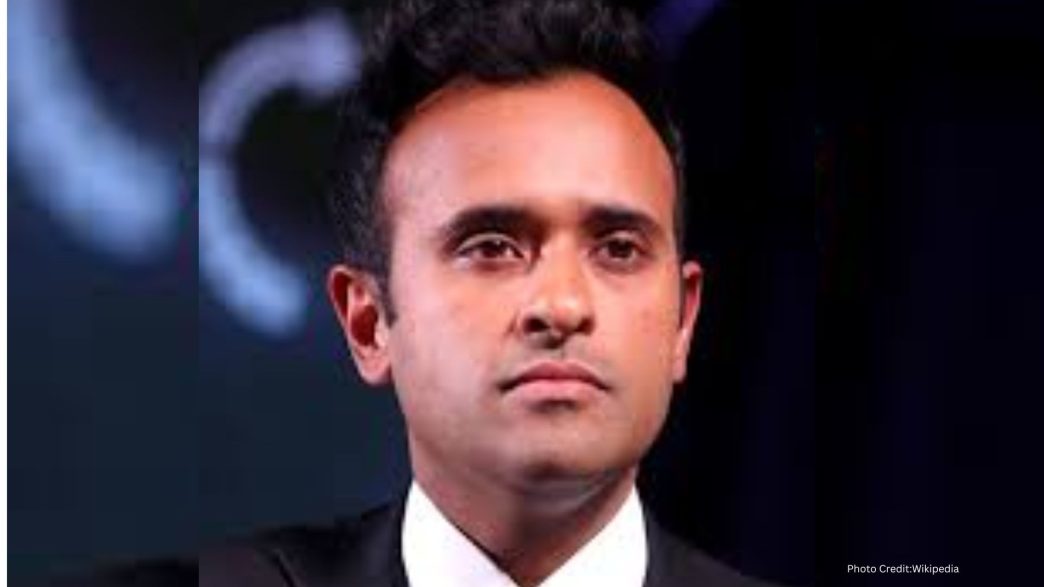
With the Ohio governor’s race approaching, both candidates—Democrat Amy Acton and Republican Vivek Ramaswamy—could become the first Jewish or Hindu governor, respectively, in a contest marked by personal and political vitriol.
COLUMBUS, Ohio (RNS) — The upcoming gubernatorial election in Ohio is poised to be historic, as it presents the possibility of electing the state’s first Jewish or Hindu governor. If Democrat Dr. Amy Acton prevails, she would become not only Ohio’s first Jewish governor but also its first female governor. Conversely, Republican Vivek Ramaswamy would be the first Hindu governor in the United States if he wins. This election cycle has seen intensified political discourse, reflecting the candidates’ diverse religious backgrounds amidst a backdrop of personal attacks.
According to data from the Pew Research Center in 2024, approximately 65% of Ohio adults identify as Christian, while around 30% are religiously unaffiliated. The fact that both Acton and Ramaswamy belong to minority religions marks a notable shift in Ohio’s political landscape, where such representation has been virtually absent.
The race has captured national attention due to its sharp rhetoric. Acton’s campaign has characterized Ramaswamy, a biotech entrepreneur, as a “swindler” who has promoted fraudulent medical treatments, allegations he has denied. In a particularly contentious move, Ramaswamy released an advertisement featuring Acton’s estranged mother labeling her a liar, a decision that has drawn widespread criticism, including from Ohio Governor Mike DeWine. Following backlash, Ramaswamy’s campaign removed the ad on Thursday.
As of the latest reports, Acton maintains a narrow lead over Ramaswamy in a state that has historically favored Republican candidates, having backed Donald Trump in the last three presidential elections.
Acton’s Campaign and Personal Journey
In the final stretch before the midterm elections, Acton has leaned into her Jewish identity to inspire her progressive platform. She has publicly addressed her experiences with antisemitism and shared her personal story of overcoming significant adversity, including homelessness and abuse. At 60, Acton has described her childhood as tumultuous; her Jewish father and Baptist mother separated when she was young, leading to a challenging upbringing.
Despite her early struggles, Acton found solace in her spirituality. She later reconnects with her Jewish heritage, studying the Torah and actively participating in her community. Her professional background includes roles as a physician, professor, and public health leader, notably serving as Ohio’s health director during the COVID-19 pandemic. She has stated, “I’ve spent my whole life talking about spirituality as another component in people’s holistic well-being and health,” emphasizing the importance of faith in her life and work.
Ramaswamy’s Religious Identity and Campaign Strategies
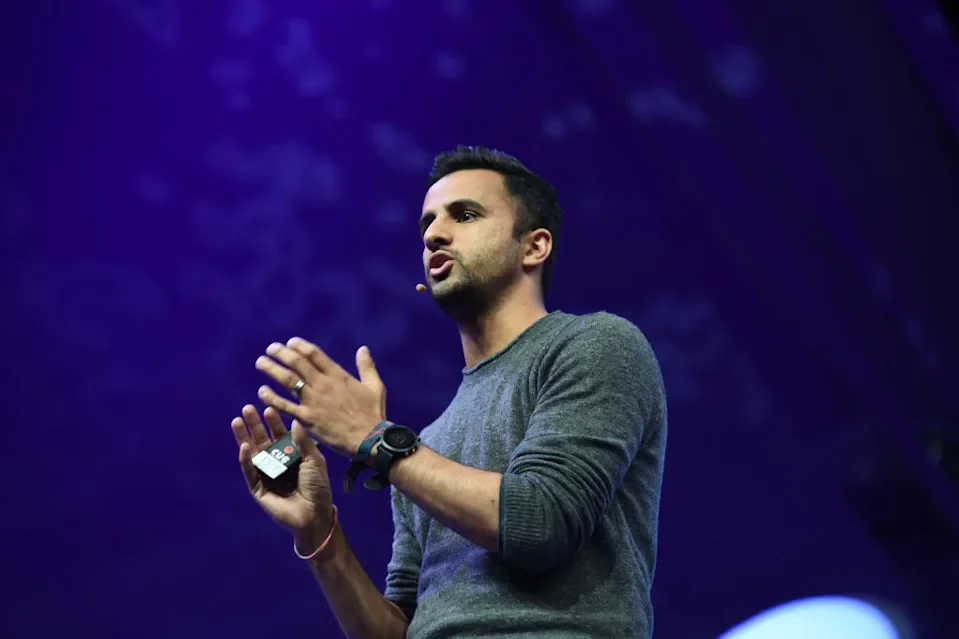
Vivek Ramaswamy, 41, was born to Indian immigrants who practiced Hinduism. His upbringing included rituals and visits to local temples, instilling a sense of cultural pride. In recent campaign speeches, Ramaswamy has expressed gratitude for the opportunities afforded to him in America, asserting his commitment to his faith and the unique perspective it provides. “I’m Hindu, and I’m proud of that,” he stated during a recent campaign event.
Ramaswamy’s religious journey has evolved over the years; after identifying as agnostic in his twenties, he returned to Hinduism, specifically the Advaita Vedanta tradition, which emphasizes a singular spiritual reality. His campaign has sought to appeal to Christian voters by aligning his values with those of conservative Christianity, a tactic that has elicited mixed reactions from various voter demographics.
At the Hindu Temple of Dayton, where Ramaswamy is a familiar figure, community members expressed both pride in his candidacy and concern regarding his alignment with some of former President Trump’s policies, particularly those affecting immigration. Temple manager Vijender Sandella noted the complexity of Ramaswamy’s position as a Hindu candidate in a largely Christian political landscape, stating, “He was able to bridge that gap where he said his faith and the Christian faith are nothing different.”
The Impact of Religion in the Campaign
The interplay of faith and politics is a significant theme in this election. Acton’s synagogue, Congregation Beth Tikvah, has been a source of support for her candidacy, with Rabbi Rick Kellner highlighting the rising tide of antisemitism and the need for unity in the face of hatred. Acton’s experiences during the pandemic, where she faced intense scrutiny and antisemitic backlash, have fueled her resolve to advocate for inclusivity and justice.
Conversely, Ramaswamy has confronted skepticism regarding his Hindu faith within conservative circles, where elements of Christian nationalism prevail. Despite this, many of his supporters express admiration for his commitment to conservative values, often overlooking his religious background. Comments from voters at Republican events indicate a willingness to embrace Ramaswamy’s candidacy, with some suggesting that his Hindu identity does not detract from his support for Christian principles.
Looking Ahead: Election Day and Its Implications
As Election Day approaches, both Acton and Ramaswamy are not only vying for the governorship but also seeking to redefine the political narrative in Ohio. Acton aims to foster a message of compassion and justice, while Ramaswamy represents a blend of traditional values and modern identity politics. The outcome of this election may not only shape Ohio’s political landscape but also set a precedent for how religious diversity is embraced in American governance.
With endorsements and criticisms emerging from high-profile figures, including former President Barack Obama and current Republican leaders, the stakes are high in this contentious race. Both candidates are acutely aware of the significance of their religious identities and the historical context of their potential elections, as they navigate a landscape fraught with division and hostility.
In a closing statement reflecting on the campaign’s broader implications, Acton noted, “When you really dig down in all the great religions, in the end, you find all the same stories and principles.” This sentiment, whether echoed or disputed by voters, encapsulates the complex interplay of faith, identity, and politics that defines the current Ohio gubernatorial race.