
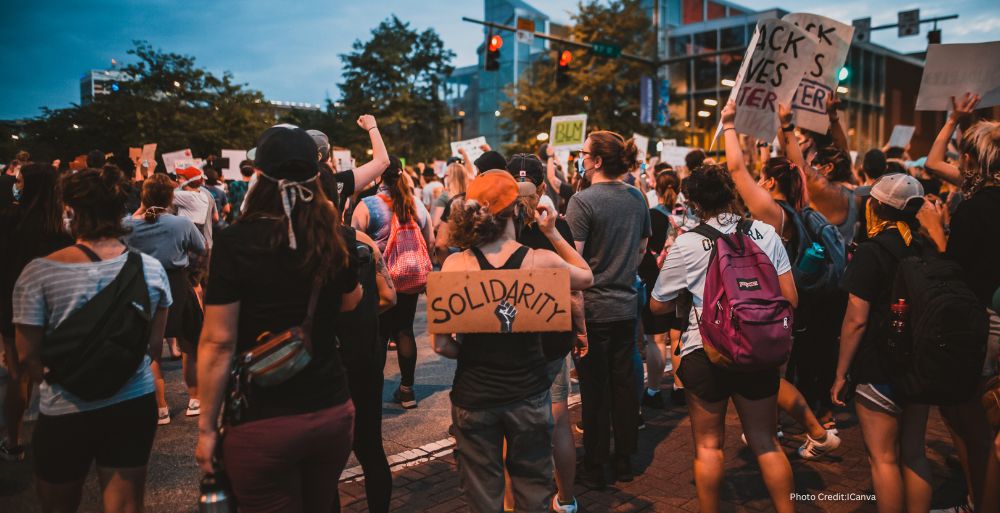
Young activists from Generation Z are increasingly at the forefront of protests across Europe, advocating for climate action and social justice, fueled by a sense of urgency over their future.
Across Europe, Generation Z is emerging as a powerful force in social and political activism, organizing protests that demand immediate action on climate change and social justice issues. These demonstrations, which have gained momentum in recent months, reflect the growing frustration among young people regarding governmental inaction on critical issues that will impact their futures.
Growing Participation and Mobilization
In recent weeks, major cities such as London, Paris, and Berlin have witnessed large-scale demonstrations led by young activists. According to reports, participation in these protests has surged, with estimates suggesting that up to 100,000 people attended the most recent climate march in London alone. This surge is reflective of a broader trend, as youth-led movements have gained traction, mobilizing thousands across various platforms, including social media.
One of the key catalysts for this wave of activism has been the ongoing climate crisis. As extreme weather events, rising sea levels, and biodiversity loss become increasingly apparent, young people are demanding that governments take decisive action. “Nobody heard us before, but now we are here to demand change,” said Emma, a 19-year-old student and protest organizer in Berlin. Her sentiments echo those of many young activists who feel that their voices are essential in shaping a sustainable future.
Historical Context and Broader Implications
The rise of Gen Z activism can be traced back to earlier movements, such as the Fridays for Future movement, initiated by Swedish activist Greta Thunberg in 2018. This movement sparked worldwide protests, drawing attention to the urgency of addressing climate change. With the COVID-19 pandemic exacerbating existing inequalities and highlighting the fragility of social systems, many young activists have become more engaged in advocating for both climate action and social justice.
In the context of European politics, this activism comes at a time when many governments are struggling to address public concerns over climate policy, economic inequality, and systemic racism. The European Union has set ambitious climate targets, aiming for carbon neutrality by 2050. However, many activists argue that current policies are insufficient and demand more aggressive action, including the immediate phasing out of fossil fuels and investment in renewable energy sources.
Challenges Faced by Young Activists
Despite their growing influence, young activists face numerous challenges. The political landscape in many European countries is polarized, and the push for change often encounters resistance from established political entities. Critics argue that some demands may be unrealistic or that they lack a comprehensive understanding of the complexities involved in policy implementation.
Moreover, the method of protest has also been scrutinized. While some advocate for peaceful demonstrations, others have resorted to more disruptive tactics to gain attention for their causes. This divergence in approach has led to discussions about the effectiveness of various forms of activism and the potential consequences of civil disobedience.
Responses from Governments and Political Leaders
In response to the rising tide of activism, some European leaders have begun to engage more actively with young people. For instance, in a recent address, European Commission President Ursula von der Leyen acknowledged the importance of youth voices in shaping the future of Europe. She emphasized the need for collaboration between generations to tackle pressing challenges. “We must listen to the concerns of our youth,” she stated, suggesting that their insights are crucial for informed decision-making.
However, skepticism remains among young activists who feel that government commitments often fall short of meaningful action. Activist groups have called for transparency and accountability in how governments address climate change and social inequalities. Many argue that without sustained pressure from the public, political promises may remain unfulfilled.
The Role of Social Media in Activism
Social media has played a pivotal role in facilitating the organization and mobilization of protests. Platforms such as Instagram, Twitter, and TikTok have allowed young activists to share their messages widely, connect with like-minded individuals, and disseminate information quickly. Hashtags related to climate activism and social justice have trended globally, amplifying the reach of their calls to action.
Moreover, these platforms have enabled activists to create a sense of community among young people who feel isolated in their concerns about the future. By leveraging social media, Generation Z has successfully fostered a global movement that transcends national borders, making their voices heard in the halls of power across Europe.
Conclusion: The Future of Youth Activism
As protests continue to unfold across European cities, the impact of Generation Z’s activism is becoming increasingly evident. With a growing awareness of social justice and climate issues, young people are not only demanding action but also redefining the landscape of political engagement. Their determination to address the challenges facing their generation suggests that this wave of activism may only be the beginning of a broader movement for change in Europe and beyond.