
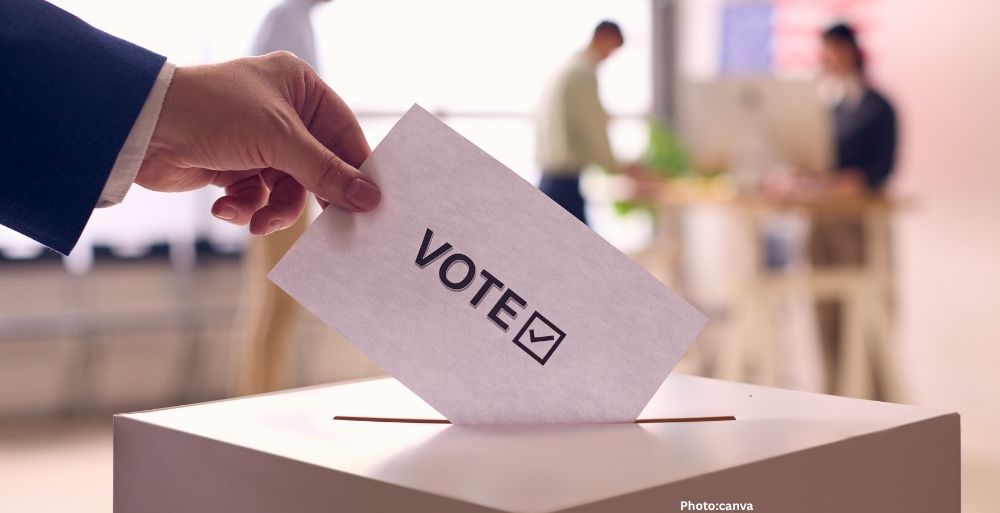
Four pivotal elections in Brazil, Serbia, Israel, and the United States over ten days present a critical test for democratic values, with implications that could resonate globally.
In a significant convergence of political events, four nations are set to hold elections within a ten-day window, each raising substantial questions about the resilience of democratic norms. As autocratic tendencies rise globally, the upcoming elections in Brazil, Serbia, Israel, and the United States could either reinforce authoritarianism or signify a resurgence of democracy.
According to the V-Dem Institute, a Sweden-based organization that analyzes democratic governance, global democratic freedoms have declined to levels last seen in 1978, prior to the fall of the Berlin Wall and the dissolution of communist regimes in Eastern Europe. The four elections occurring from October 29 to November 3, 2026, are being closely watched, as their outcomes may have profound implications both regionally and internationally.
Brazil: A Fight for Democratic Resurgence
On October 29, Brazil will conduct a runoff presidential election where President Luiz Inácio Lula da Silva faces a formidable challenge from Flávio Bolsonaro, a right-wing senator and son of former President Jair Bolsonaro. Flávio Bolsonaro’s campaign has raised alarms, with threats to amend the constitution, pardon his father for coup-related crimes, and relax environmental regulations critical for the preservation of the Amazon rainforest.
Historically, Brazil has experienced a democratic revival since Lula’s inauguration on January 1, 2023, following a tumultuous election cycle marked by Jair Bolsonaro’s attempts to overturn the results. Lula’s administration has been characterized by a significant recovery of democratic values, positioning Brazil as more democratic than both the United Kingdom and the United States according to V-Dem metrics.
Flávio Bolsonaro’s campaign rhetoric, which includes a hardline approach to law and order, has sparked concerns regarding a potential rollback of judicial independence and attempts to intimidate legal institutions. If elected, he would have a supportive majority in Congress, potentially pursuing a drastic shift in Brazil’s political landscape.
Serbia: A Challenge to Authoritarian Dominance
Simultaneously, Serbia is witnessing a critical election where President Aleksandar Vučić faces a challenge from a student-led movement advocating for democratic renewal. Vučić has been in power for over 12 years, during which he has systematically undermined democratic institutions and press freedoms. The opposition, previously fragmented and ineffective, has coalesced around a campaign titled “Serbia or Mafia?”, signaling a transformative moment in Serbian politics.
The student movement, emerging from a tragic incident that killed 16 people in 2024, has galvanized public discontent against Vučić’s regime. The candidates from this movement represent a diverse array of voices and are committed to fostering direct democracy, although internal divisions over policy exist. The election outcome is uncertain, and if Vučić feels threatened, there are concerns about potential violence at polling stations.
Israel: The Fight for Democratic Integrity
On November 1, Israel will hold parliamentary elections amidst a backdrop of significant political tension. Prime Minister Benjamin Netanyahu, who has led the country for 19 of the past 30 years, faces an opposition bloc that has vowed to challenge his far-right coalition. Netanyahu’s government has been criticized for eroding democratic norms, limiting judicial independence, and politicizing state institutions.
The opposition, led by former military chief Gadi Eisenkot, shares many of Netanyahu’s views on national security but seeks to address the corruption and autocratic tendencies of his administration. Despite potentially winning more seats than the ruling coalition, the opposition may struggle to form a government without engaging with Israel’s largely marginalized Arab parties.
The United States: Midterm Elections as a Democratic Litmus Test
Concluding this pivotal period, the United States will conduct its midterm elections on November 3, where President Donald Trump’s influence is being tested. With a Congress dominated by Republican allies, Trump has faced growing scrutiny over his governance style, which many critics argue has led to significant democratic backsliding. The Democrats are poised to make gains in Congress, potentially gaining control of one or both chambers.
However, even if Democrats succeed, the limitations of their power are evident, as Trump is expected to leverage his veto authority and resist cooperation with Congress. The upcoming elections represent not just a referendum on Trump’s presidency but also a broader evaluation of democratic integrity in the U.S., particularly following a period of heightened political polarization and dissent.
Global Implications
The interwoven nature of these elections underscores a global struggle between democratic values and authoritarianism. Success for authoritarian candidates in Brazil, Serbia, Israel, or the U.S. could embolden similar movements worldwide, while victories for pro-democracy forces may invigorate global democratic movements. As these elections unfold, the international community watches closely, aware that the outcomes may significantly alter the political landscape across continents.