Regular exercise is essential for older adults, significantly reducing health risks and improving overall well-being, yet many remain inactive due to misconceptions about aging and physical limitations.
As health experts continue to emphasize the crucial role of physical activity in promoting longevity and wellness, recent discussions highlight the alarming statistic that approximately 3.2 million people die each year due to physical inactivity. This is particularly concerning for older adults, who often face barriers to remaining physically active.
Engaging in regular exercise can substantially enhance health outcomes for older adults, with even moderate levels of activity proving beneficial. Before embarking on a new exercise regimen, it is advisable for individuals to consult their healthcare provider, especially if they have been inactive or have pre-existing health conditions. Starting slowly, with just 5 to 10 minutes of moderate activity each day, can set the stage for improved physical fitness.
Health Benefits of Exercise
Contrary to common beliefs, it is not age that necessitates increased rest; rather, it is a lack of movement that contributes to fatigue and health complications. Scientific research indicates that older adults suffering from chronic conditions such as heart disease, diabetes, and arthritis can significantly improve their quality of life through physical activity. In fact, studies suggest that regular exercise can decrease the risk of serious health issues, including heart attacks and strokes.
Healthcare professionals typically recommend that older adults aim for at least 150 minutes of moderate aerobic activity each week. This can include activities such as brisk walking, leisurely cycling, or even engaging in household chores like mowing the lawn or cleaning. Importantly, these activities do not need to be completed in extended sessions; short bouts of exercise can still yield substantial health benefits.
Incorporating Flexibility and Strength Training
Exercise regimens for older adults should include a variety of movements that promote flexibility, endurance, strength, and balance. Flexibility exercises, such as stretching, can alleviate stiffness and improve mobility in key areas such as the hips, legs, shoulders, neck, and back. Activities like yoga can also be beneficial for enhancing flexibility and reducing stress. However, it is crucial to listen to one’s body and avoid overexertion when stretching.
Individuals beginning their exercise journeys are encouraged to start with low-intensity activities. Staying hydrated, warming up before workouts, and cooling down afterward are essential practices that help prevent injury. Regular check-ins with healthcare providers can ensure that individuals are engaging in safe and appropriate exercises based on their health status.
Exercise: A Lifelong Benefit
Recent studies have shown that certain exercises, including riding a stationary bicycle, may slow down cellular decline associated with aging. This finding reinforces the message that it is never too late to benefit from physical activity. Regardless of age, fitness level, or previous inactivity, individuals can improve their health through consistent exercise.
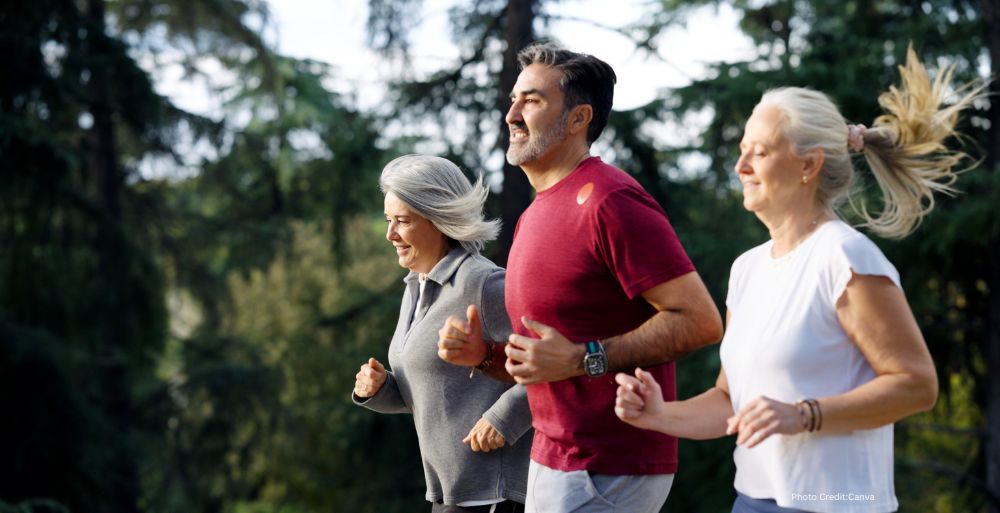
Physical activity does not have to involve high-intensity workouts or rigorous gym sessions. Finding enjoyable activities that promote consistency is key. Gardening, walking with friends, or taking leisurely bike rides can all contribute to maintaining an active lifestyle. Additionally, incorporating variety into exercise routines can help prevent boredom and sustain motivation.
The Role of Community and Social Support
Engaging in physical activity with a partner or joining a group can significantly enhance motivation and accountability. Studies have shown that social support can help individuals stay focused on their fitness goals, particularly for those returning to exercise after a period of inactivity. For those who prefer solitary activities, it is still possible to find community resources or groups that align with personal interests.
Time constraints often serve as a common barrier to regular exercise, particularly for older adults balancing family obligations and other responsibilities. However, with a minimum recommendation of just 150 minutes of moderate aerobic activity per week, it is feasible for individuals to carve out time for physical health without sacrificing other commitments.
Comprehensive Health Benefits
The benefits of regular exercise extend beyond cardiovascular health. Engaging in physical activity can improve lung function, strengthen muscles, and enhance the overall circulatory system. Regular exercise is also associated with lower blood pressure, improved bone and joint health, and a reduced risk of chronic diseases such as colon cancer and diabetes.
Another critical aspect of physical activity for older adults is fall prevention. Incorporating exercises that promote balance can significantly reduce the likelihood of falls, which are a common concern among the elderly. Healthcare providers can offer guidance on effective balance exercises that can be performed in various settings.
Cognitive and Mental Health Benefits
Exercise is also linked to cognitive health, with experts noting its role in mitigating mental health issues such as depression and anxiety. Regular physical activity can enhance focus and improve overall mental clarity, contributing to a healthier mind and a more active lifestyle.
In summary, the evidence supporting the necessity of physical activity for older adults is compelling. With appropriate guidance and support, older individuals can overcome barriers to exercise and reap the extensive health benefits that come with an active lifestyle.