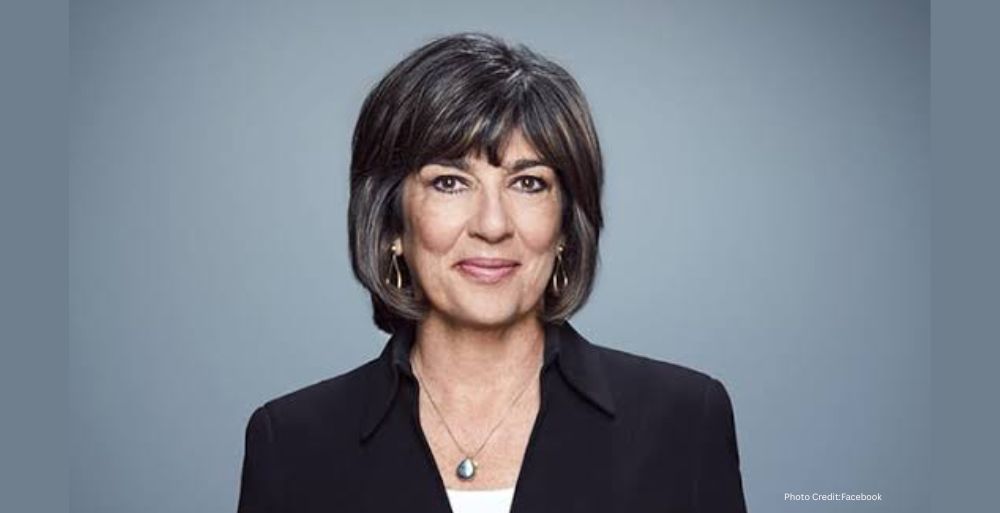
Christiane Amanpour, a pioneering figure in international journalism, has announced her retirement from CNN, emphasizing that journalists must prioritize truthfulness rather than a false sense of neutrality in their reporting.
Christiane Amanpour, a distinguished international journalist whose career has spanned over three decades, has announced her retirement from CNN, where she has been a prominent voice since 1983. Her departure marks the conclusion of an impactful chapter in journalism, characterized by her fearless reporting from conflict zones and her unwavering commitment to truth-telling.
Throughout her tenure, Amanpour has been a staunch advocate for integrity in journalism. In her recent public statements, she reiterated a mantra that has become synonymous with her career: “Be truthful, not neutral.” This succinct directive encapsulates her critique of contemporary media practices, where the pursuit of broad audience appeal often leads to a compromise in factual reporting. Amanpour argues that in an era rife with political polarization, mainstream news organizations frequently shy away from confronting uncomfortable truths, opting instead for language that downplays the severity of falsehoods and anti-democratic actions.
Challenges Facing Modern Journalism
Amanpour’s call for truthfulness highlights a troubling trend in contemporary journalism: a reluctance to label false statements as lies. She notes that journalists often resort to euphemisms, referring to politicians’ misrepresentations as “baseless claims” and describing authoritarian behavior as “sidestepping norms” rather than directly addressing threats to democratic principles. This approach, she argues, contributes to a distorted public perception of reality and undermines the media’s role as a watchdog of democracy.
Importantly, Amanpour clarifies that her advocacy for truthfulness does not equate to abandoning objectivity. Rather, she urges journalists to prioritize factual integrity over the false pretense of neutrality. By encouraging reporters to delve deeper into the implications of their coverage, she believes they can better serve the public interest.
Amanpour’s Legacy and Industry Context
Despite her considerable contributions to journalism, Amanpour acknowledges that she is not without critics. Some have accused her of bias, suggesting that her reporting has favored certain narratives over others. Nevertheless, her recent decision to retire raises significant questions about the current state of journalism amid increasing corporate pressures that challenge the integrity of news reporting.
Historian Garrett Graff recently commented on the media’s shortcomings during the Trump administration, asserting that the press has struggled to convey the extraordinary nature of current political developments. Graff posited that the media’s fragmented approach to reporting significant events fails to present a coherent narrative, thereby neglecting the broader context that Amanpour insists is essential for truthful journalism.
While Amanpour did not explicitly connect her retirement to the pressures facing CNN, her previous remarks about the network’s evolving direction hint at concerns regarding the future of independent journalism. CNN’s parent company underwent a significant acquisition by Skydance Media, a move that has raised eyebrows among media analysts. This transition has led to speculation about potential shifts in editorial priorities, particularly following controversial changes at CBS News that have resulted in high-profile departures and accusations of compromised editorial independence.
In a public appearance earlier this year, Amanpour expressed concern over the “ideological realignment” occurring within prominent media outlets, including what she described as the potential dismantling of CBS’s flagship news program, “60 Minutes.” These insights suggest that Amanpour’s decision to retire may have been influenced by a perceived decline in the commitment to truth-telling within the industry.
The Future of Journalism
As Amanpour bids farewell to CNN, she remains optimistic about the future of journalism. She has expressed hope that the new generation of journalists will heed her advice to prioritize truthfulness, even as they navigate an increasingly complex media landscape dominated by corporate interests that may undermine the pursuit of honest reporting.
In her farewell message, Amanpour reaffirmed her support for CNN’s legacy of independent journalism, leaving her colleagues with a high standard to aspire to. Her call to “be truthful, not neutral” serves as a critical reminder of the essential role that journalists play in safeguarding democracy through rigorous, fact-based reporting. As the media landscape continues to evolve, the challenge remains for journalists to uphold these principles amid pressures that often incentivize a performative approach to neutrality.
Amanpour’s retirement not only signifies the end of her tenure at CNN but also serves as a poignant moment for reflection on the future of journalism in an age where truth is frequently contested. The industry must grapple with these issues moving forward, as the integrity of media reporting has never been more crucial. The legacy of Amanpour’s career underscores the importance of remaining steadfast in the commitment to truth, even in the face of significant challenges.