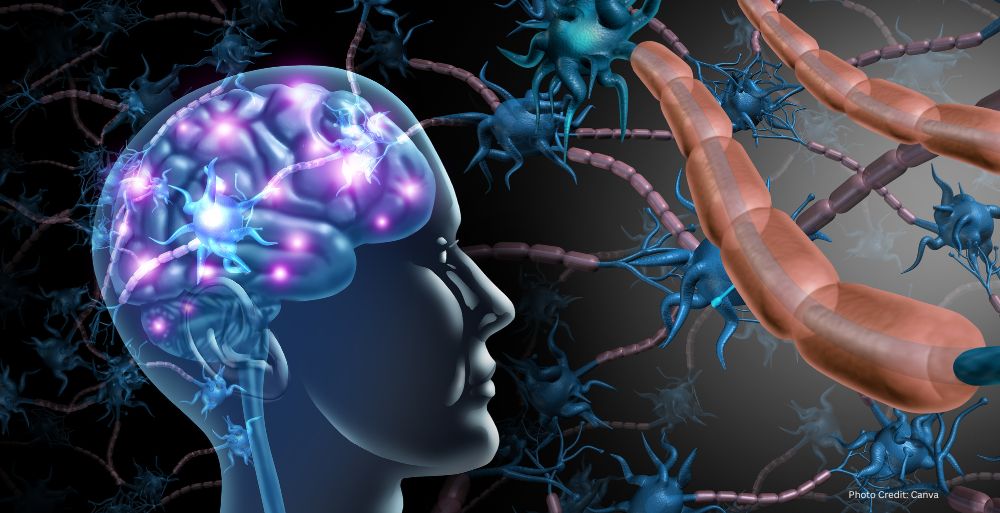
Recent research from the Cleveland Clinic has revealed how alcohol abuse disrupts brain function via immune cells called microglia, pointing to potential new treatment avenues for alcohol-related brain damage.
A research team at the Cleveland Clinic has published groundbreaking findings that deepen the understanding of how alcohol abuse affects brain health. Their study, featured in the journal Immunity, elucidates the role of microglial cells—resident immune cells in the brain—demonstrating that alcohol exposure leads to the breakdown of the extracellular matrix (ECM), a vital structural component that supports neuronal function.
Dr. Dimitrios Davalos, the senior author of the study, emphasized the significance of this research in both expanding scientific knowledge and suggesting potential therapeutic targets. “Our findings could guide new treatments that prevent alcohol-associated brain damage by targeting the brain’s immune system instead of neurons,” Davalos stated.
Understanding Microglial Function in Alcohol Exposure
Microglia play a dual role in the brain: they act as immune defenders, constantly monitoring for damage and clearing debris, and they also refine synaptic connections during healthy brain development. The research team employed advanced imaging techniques to track the behavior of microglia over time, specifically during and after instances of heavy alcohol consumption.
Significantly, the study revealed that within one hour of heavy alcohol exposure, microglial branches began to retract, effectively reducing the area they monitor. This retraction occurred prior to the onset of sedation, indicating a swift response to the presence of alcohol. As microglia began dismantling the ECM, neurons experienced decreased activity, leading to symptoms such as drowsiness, impaired coordination, and loss of consciousness—hallmarks of heavy drinking.
Moreover, the research indicated that a single binge-drinking episode could result in ECM damage and the disruption of neuronal connections. Repeated alcohol consumption was linked to the loss of neurons in the frontal cortex, a region critical for impulse control and decision-making.
Human Relevance and the Urgency for Preventive Measures
Utilizing brain samples from individuals diagnosed with alcohol use disorder, the research team confirmed that similar disruptions in the ECM occur in human brains. This finding represents a significant milestone, marking the first direct evidence connecting ECM degradation to alcohol-related brain injury in humans and underscoring the need for effective preventive strategies.
Dr. Davalos noted, “For years, alcohol’s effects on the brain were largely viewed through the lens of neurons, and for good reason: alcohol acts directly on neuronal receptors. However, our observations suggest that microglia play a more proactive role in mediating the damage caused by alcohol. If we can target them effectively, we may be able to mitigate some of the harmful effects of alcohol on the brain.”
Identifying Potential Treatment Targets
One promising target identified by the research team is a protein known as MyD88. This protein activates microglial cells in response to perceived threats, including those induced by alcohol consumption. In experimental settings, deleting the MyD88 gene from microglia prior to alcohol exposure effectively inhibited their response, protecting the brain from ECM disruption and neuronal damage. Furthermore, this intervention also reduced sedation effects, even when blood alcohol levels remained elevated.
The implications of these findings are profound, suggesting that targeting microglial activity could open new pathways for treating not only alcohol-related brain damage but also other neurological disorders linked to microglial dysfunction. Dr. Davalos indicated that future research will delve into how various substances might activate this neuroimmune pathway and whether similar strategies could apply to a broader spectrum of neurological conditions.
Broader Implications for Substance Use and Neurological Health
This research extends its implications beyond alcohol. Dr. Davalos posited that the neuroimmune mechanisms identified in their study might also provide insights into the effects of other drugs on brain health. “We discovered a specific neuroimmune route that alcohol activates, but it’s possible that other drugs can turn that pathway on as well,” he stated, highlighting the broader relevance of these findings.
The implications of this study not only enrich the scientific community’s understanding of the relationship between alcohol and brain health but also pave the way for future therapeutic strategies aimed at targeting microglial activity. Such approaches could potentially prevent or mitigate the effects of substance abuse and other neurological diseases.
This research contributes to a growing body of literature emphasizing the importance of immune cells in brain health, particularly in the context of substance abuse. As researchers continue to explore the neuroimmune interactions in the brain, the hope is that new therapies will emerge that can effectively address the burgeoning challenges posed by alcohol and other substances.
For those interested in the detailed findings, the study is titled Microglia-mediated extracellular matrix disruption drives neuronal dysfunction, motor impairments, and sedation following alcohol abuse, available in the journal Immunity.