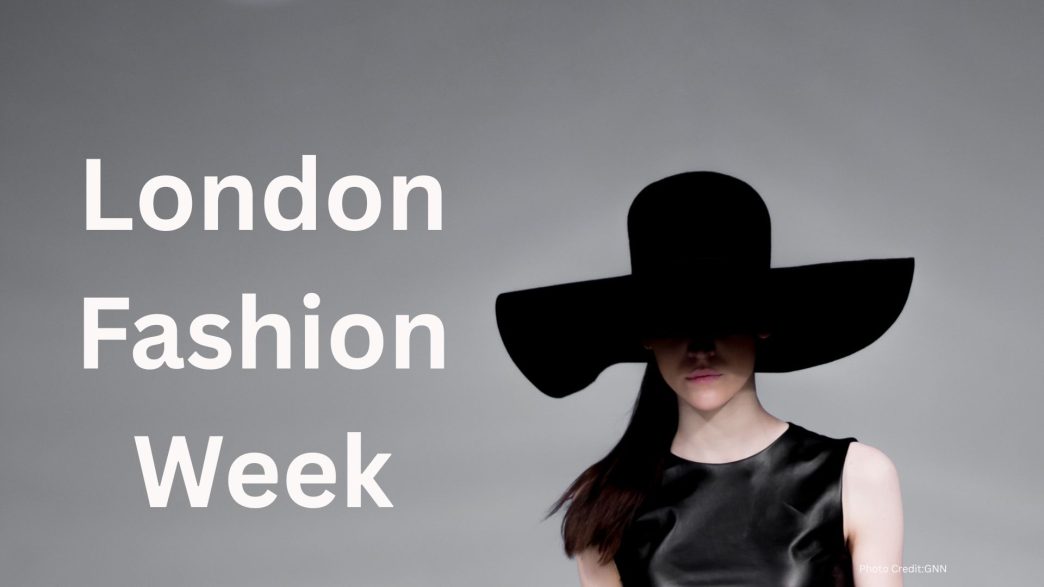
Burberry’s presentation at London Fashion Week 2026 showcased a blend of signature designs and innovative styles, concluding a week marked by significant returns in the fashion industry.
Burberry, the renowned British fashion house, concluded London Fashion Week 2026 on Monday evening with an impressive showcase that highlighted the creative vision of chief designer Daniel Lee. The collection featured the brand’s iconic check print, which was creatively paired with vibrant floral patterns and supple leather materials. This year’s show was particularly notable as it included contributions from textile designer Celia Birtwell, who hand-painted several runway designs, including trench coats adorned with the check print and jumpers emblazoned with smiley faces.
The London Fashion Week, which is a crucial event in the global fashion calendar, saw Burberry draw a star-studded audience, including celebrities such as Central Cee, Romeo Beckham, Skepta, Jonathan Bailey, and Rosie Huntington-Whiteley, who occupied the coveted front row. This year’s fashion week drew considerable attention not only for its high-profile attendees but also for the significant developments in the British fashion industry.
Significant Returns and Trends
Burberry’s showcase was part of a broader narrative of renewal in the fashion world. The event was marked by the return of two major British brands to the London stage: Alexander McQueen and Mulberry. Alexander McQueen, having spent 25 years showcasing its collections in Paris, returned to London with a collection that reflected its heritage, featuring dramatic elements such as devil horns, lace corsets, and chainmail skull dresses. This shift was underscored by Laura Weir, CEO of the British Fashion Council, who noted that the brand’s return to London was a significant milestone for British fashion.
Similarly, Mulberry made its comeback after a nine-year absence, with Christopher Kane debuting a collection that prominently featured the brand’s iconic Bayswater bag and a strong emphasis on leather garments, including coats, skirts, and loafers. Weir emphasized the “big mission” for this season, aiming to reposition London Fashion Week as not only a hub for British design but also as a catalyst for creativity and commercial success.
Emerging Trends from London Fashion Week
This year’s London Fashion Week also unveiled a variety of emerging trends that reflect broader cultural shifts. One standout trend was the so-called “messy girl aesthetic,” which rejects the previous year’s emphasis on “quiet luxury.” Designers such as Chopova Lowena, Sinead Gorey, and Conner Ives embraced a more chaotic style, which Elektra Kotsoni, deputy director for Vogue Business and Vogue Runway, identified as a response to the clean lines and minimalism that dominated social media feeds last year. Kotsoni described this trend as a “sign of resilience and rebellion,” encouraging attendees to embrace pastel colors and unexpected fabric combinations for a more eclectic look.
Another notable trend was the emergence of “gardening-core,” a style that trades in polished aesthetics for a more rugged, outdoor-inspired aesthetic. Designers such as Erdem, Yuhan Wang, and Bora Aksu showcased collections that incorporated gardening motifs, pairing traditional outerwear with practical, garden-ready elements. This trend was seen as a continuation of the cottage-core movement that gained popularity in the wake of the pandemic.
Inspiration from History and Film
Designers also drew inspiration from historical references, with the “modern goddess” aesthetic making waves at this year’s event. This style, which evokes images of Ancient Greece, was exemplified by Pauline Dujancourt’s collection that featured flowing fabrics and organic draping. Kotsoni noted that this trend stands in stark contrast to the minimalist styles typically seen at fashion events, suggesting a turning tide in attendee fashion choices.
In addition to the aforementioned trends, orange emerged as a prominent color for the upcoming season, with designers such as Mulberry and Justin Cassin showcasing various shades from tangerine to coral. Kotsoni speculated that one of these shades could potentially be named Pantone’s color of the year for 2027.
Furthermore, ballet-inspired designs gained attention, with Edeline Lee transforming a school sports hall into a ballet stage for her latest collection. This innovative presentation highlighted the discipline and artistry of ballet, reinforcing its relevance in contemporary fashion. Kotsoni noted the resurgence of ballet flats and smaller shoe silhouettes, suggesting that this trend is set to continue into the next year.
Conclusion
As London Fashion Week 2026 closed, it became clear that the event was not just a display of fashion but also a reflection of the evolving cultural landscape. With Burberry leading the charge in innovation and creativity, the week served as a reminder of the resilience of the British fashion industry and its capacity for reinvention. The trends showcased indicate a shift towards more eclectic and expressive styles, signaling a new chapter in the future of fashion.