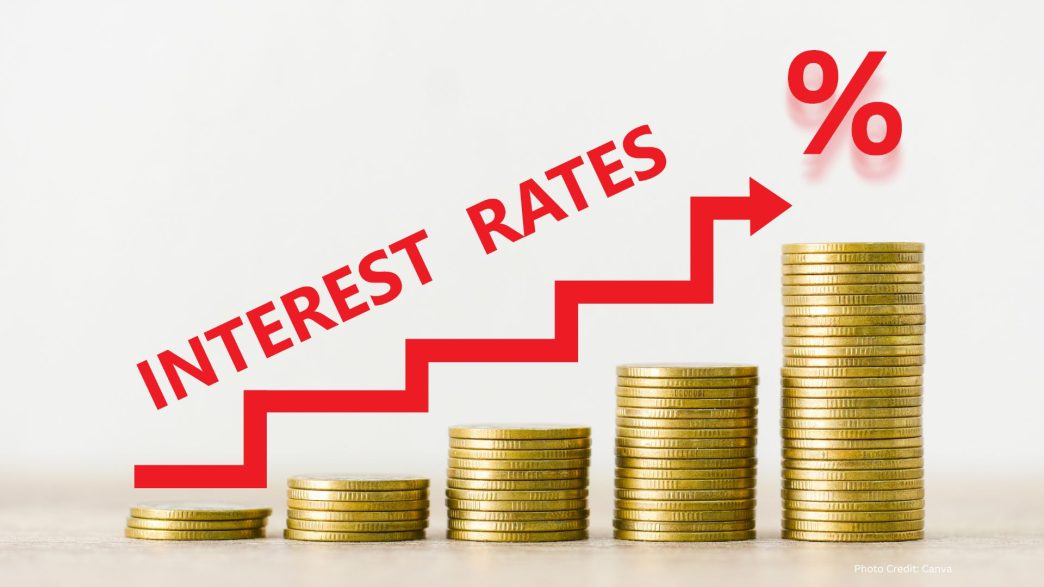
The U.S. Treasury yields declined on Thursday after the Federal Reserve raised interest rates for the first time in three years, signaling ongoing efforts to combat persistent inflationary pressures in the economy.
Treasury yields saw a significant decline on Thursday, September 17, 2026, in response to the U.S. Federal Reserve’s decision to raise interest rates for the first time since July 2023. The benchmark 10-year Treasury yield fell by more than 6 basis points, settling at 4.943%. Similarly, the 30-year Treasury yield dropped over 4 basis points to 5.301%, while the yield on the 2-year note decreased by more than 5 basis points to 4.675%. It is crucial to understand that one basis point is equal to 0.01%, and generally, yields and prices move in inverse directions.
The Federal Reserve’s decision to increase its benchmark interest rate by 25 basis points to a target range of 3.75% to 4% was widely anticipated by market analysts. This adjustment came in light of a series of robust inflation reports and rising pressures on the bond market. In a press conference following the Federal Open Market Committee (FOMC) meeting, Fed Chairman Kevin Warsh expressed concerns regarding inflation, stating that it has been “too high … for too long.” He underscored the necessity for confidence that underlying inflation is moving toward the Fed’s target in a clear and sufficiently rapid manner.
Warsh further indicated that the FOMC’s criteria for inflation have not yet been met, suggesting that additional actions may be required. The dot-plot grid, which reflects the expectations of individual Fed officials for future rate hikes, revealed that 16 out of 18 participants foresee at least one more rate increase this year, with four officials considering the possibility of two additional hikes.
Market Reactions and Political Context
As the financial community digests the implications of the Fed’s decision, traders are closely monitoring the relationship between Fed Chair Kevin Warsh and President Donald Trump. The President has been openly advocating for lower interest rates, asserting in a recent social media post that “Interest rates in the United States should be 1 percent, or less, because we are the best credit in the world — by far.” Trump has characterized the Fed’s board as “very hostile … very political” and criticized their recent decision as misguided.
Bob Edwards, Chief Investment Officer at Florida-based Edwards Asset Management, provided insight into the current state of the bond market, noting that the most significant fluctuations may now be behind investors. He suggested that there is a favorable opportunity for investors to secure elevated yields following the recent volatility. Edwards speculated that if the Fed opts for another rate increase, it is more likely to occur at the December meeting, as any changes at the October meeting would likely be avoided to prevent the appearance of political motivations just days before the midterm elections.
Economic Indicators and Future Outlook
In the aftermath of the Fed’s decision, investors turned their attention to Thursday’s economic data for further insights into the health of the economy. Notably, jobless claims for the week ending September 12 stood at 196,000, significantly lower than the 207,000 claims anticipated by economists surveyed by Dow Jones. Conversely, housing starts for August were reported to be below expectations, indicating potential headwinds in the housing sector.
The outlook for the U.S. economy remains complex, with inflationary pressures continuing to influence monetary policy decisions. The Fed’s recent actions reflect a careful balancing act between fostering economic growth and controlling inflation, a challenge that is further complicated by external political pressures. As the situation evolves, market participants and policymakers alike will be closely watching economic indicators and the Fed’s future policy decisions.
The implications of the Fed’s rate hike extend beyond immediate market reactions. Historically, interest rate increases have been employed as a tool to combat inflation, but they can also slow economic growth by increasing borrowing costs for consumers and businesses. The decision to raise rates may lead to a tightening of credit conditions, which could affect spending and investment decisions across various sectors.
Moreover, the Fed’s actions are closely scrutinized by both financial markets and political leaders. The current administration’s push for lower rates reflects a broader debate about the appropriate monetary policy response to inflation and economic growth. As the midterm elections approach, the Fed’s decisions may also become a focal point in political discussions regarding economic management and fiscal responsibility.
In conclusion, the recent decline in Treasury yields following the Fed’s interest rate hike highlights the ongoing challenges faced by policymakers in addressing inflation while fostering stable economic growth. The interplay between monetary policy, economic indicators, and political pressures will continue to shape the financial landscape in the coming months.