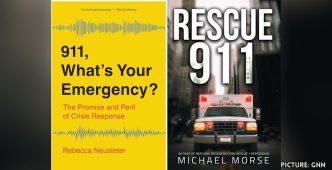
Rebecca Neusteter’s upcoming book, “911, WHAT’S YOUR EMERGENCY?”, critically examines the flaws in the U.S. emergency response system and offers a framework for reforming it to better serve all communities.
In the United States, approximately 450 calls are made to 911 every minute, seeking assistance for a wide range of emergencies, from medical issues to mental health crises. However, a critical examination of the 911 emergency response system reveals significant shortcomings, particularly in its effectiveness for marginalized communities. Rebecca Neusteter, a prominent expert in emergency response, addresses these systemic issues in her forthcoming book, 911, WHAT’S YOUR EMERGENCY?: The Promise and Peril of Crisis Response, set to be published on September 15, 2026, by The New Press.
Neusteter’s analysis highlights a troubling phenomenon she terms “mismatched dispatch,” where a majority of 911 calls result in police responses even when law enforcement is not appropriate. Research indicates that between 65% and 85% of all 911 calls lead to police involvement, despite fewer than 5% of these calls involving a violent crime in progress. This disconnect raises serious questions about the efficacy of the current emergency response framework.
Historical Context of the 911 System
The origins of the 911 system can be traced back to the late 1960s, a time when civil unrest and protests in cities such as Newark, Watts, and Detroit prompted white Americans to demand a response mechanism to perceived threats from these communities. Rather than being designed primarily for medical emergencies, the 911 system was created to address societal fears, embedding a legacy of racial bias into its operational framework.
This historical context is pivotal for understanding the systemic inequalities that persist today. Communities of color often experience a dual burden: they face both over-policing and significant delays or indifference in response to genuine medical emergencies. Neusteter illustrates this point by detailing the fragmented nature of the emergency response system, which comprises over 8,000 decentralized Emergency Communications Centers that are chronically underfunded and overwhelmed, further exacerbating disparities in service.
The Role of 911 Professionals
In “911, WHAT’S YOUR EMERGENCY?”, Neusteter also sheds light on the critical yet often overlooked role of 911 dispatchers. Frequently referred to as the “first, first responders,” these professionals—predominantly women and disproportionately women of color—play a crucial role in emergency management. Unfortunately, they are frequently classified as clerical staff by federal standards, which undermines their professional contributions and the emotional toll they endure in high-stress situations.
Proposed Solutions and Innovations
The book not only identifies the problems inherent in the 911 system but also suggests innovative solutions. Neusteter explores successful civilian-led programs such as CAHOOTS in Eugene, Oregon; STAR in Denver, Colorado; HEART in Durham, North Carolina; and HART in Harris County, Texas. These initiatives demonstrate the effectiveness of having clinicians and paramedics respond to nonviolent emergencies, thereby reducing the risks associated with police involvement.
Furthermore, Neusteter introduces the Transform911 Blueprint, a strategic framework developed in collaboration with over 130 experts. This blueprint aims to decouple the 911 system from its law enforcement roots, professionalize its workforce, and diversify the approaches to crisis response. By advocating for a shift in how emergencies are managed, Neusteter emphasizes the need for a more just and equitable system.
Implications for Public Health and Policy
As public health programs continue to face federal funding cuts, Neusteter’s work presents a timely and critical vision for the future of the 911 system. Her insights advocate for a reformed system that prioritizes public health and community safety over punitive measures associated with traditional law enforcement responses. The book serves as a rallying point for policymakers and community leaders seeking to create a more equitable emergency response framework.
About the Author
Rebecca Neusteter, PhD, is the executive director of the Health Lab at the University of Chicago Harris School of Public Policy. Her extensive background includes serving as the founding policing program director at the Vera Institute of Justice and holding various research and policy roles within the New York Police Department. Neusteter holds a PhD in criminal justice from the City University of New York Graduate Center/John Jay College, an MS in urban policy analysis and management from the New School University, and a BA in sociology from Chapman University.
As the release date of 911, WHAT’S YOUR EMERGENCY? approaches, the book is poised to contribute significantly to the ongoing discourse surrounding emergency response and public safety in the United States. By providing a thorough analysis of the current system’s flaws and offering actionable solutions, Neusteter’s work may play a pivotal role in shaping future reforms aimed at creating a more equitable and effective 911 system for all communities.