
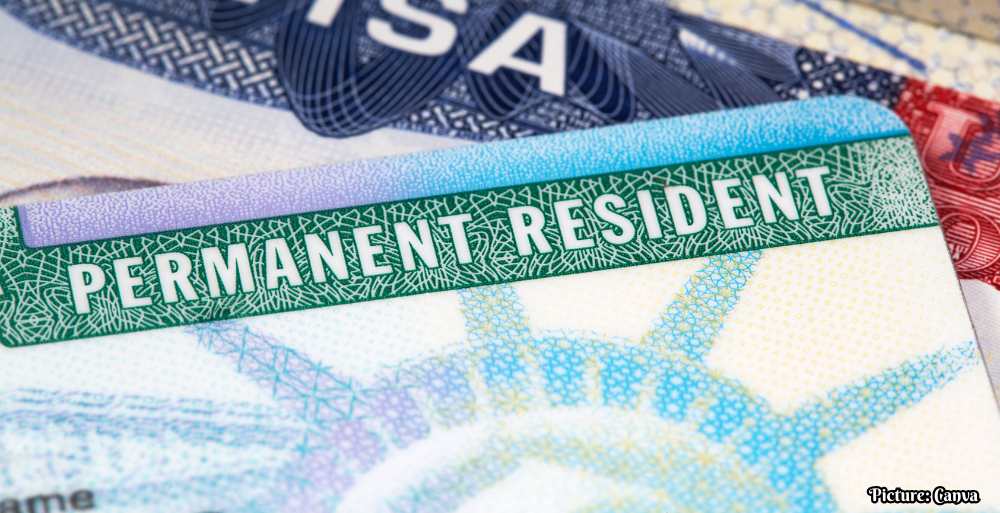
A coalition of states and local governments has initiated legal action against the Trump administration’s new immigration policy, which seeks to restrict green card eligibility for immigrants reliant on public benefits.
A coalition comprising 22 states and the District of Columbia has launched legal proceedings against the Trump administration concerning a new immigration policy scheduled to take effect on September 16, 2026. The lawsuits, filed separately, assert that the policy is ‘catastrophic’ and would impose significant barriers to immigrants seeking green cards if they utilize public assistance programs.
Details of the Legal Challenge
The plaintiffs argue that the rule, known as the ‘public charge’ rule, will effectively coerce immigrant families into avoiding essential public services to protect their immigration status. This policy aims to assess whether immigrants are likely to become dependent on public benefits as a criterion for determining their eligibility for permanent residency. Critics assert that such a policy may deter individuals from accessing necessary support systems, thereby exacerbating their financial hardships and undermining public health initiatives.
The coalition of states contends that the ramifications of this policy extend beyond the immigrant community. They argue it will impose additional burdens on state and local resources, particularly emergency services, and could lead to decreased enrollment in food assistance programs such as food stamps. This potential decline in participation could have detrimental effects on local economies, especially for businesses that rely on consumers benefiting from federal assistance. The states project that they could lose billions in federal funding as families opt out of these programs to safeguard their immigration status.
Statements from Officials
New York Attorney General Letitia James, a leading figure in the lawsuits, emphasized, ‘Hard-working families should not be forced to go without the support they need because they fear asking for assistance will get them deported.’ This statement encapsulates the coalition’s broader concerns regarding the necessity of public aid for immigrant communities and the potential chilling effect of the policy.
In defense of the new policy, officials from the Department of Homeland Security (DHS) argue that it is essential for preserving public resources and upholding the expectation that immigrants should be self-sufficient. A DHS spokesperson stated, ‘Sanctuary states are terrified they will lose federal funds because hundreds of thousands of illegals and noncitizens might remove themselves from American welfare programs,’ dismissing the concerns raised by the plaintiffs as exaggerated. This conflicting narrative underscores the contentious nature of the policy debate.
Historical Context of the Policy
This initiative represents a revival of a controversial policy previously attempted during President Trump’s first term. The original version of the public charge rule faced significant legal challenges and was ultimately rescinded by the Biden administration in 2021. The reintroduction of this policy has reignited debates surrounding immigration, public welfare, and the responsibilities of states toward immigrant populations.
Legal experts and advocates for immigrant rights have expressed apprehensions that the implementation of this policy could lead to a chilling effect, where eligible individuals might refrain from seeking necessary assistance due to fears of negative repercussions on their immigration status. This situation raises critical questions regarding the intersection of immigration policy and public welfare, particularly in a nation built on immigration as a fundamental aspect of its demographic and economic identity.
Potential Implications
If the courts uphold the new public charge rule, the implications could be extensive. Many immigrant families may find themselves in precarious situations, forced to choose between accessing essential services and maintaining their immigration status. Such a dilemma could lead to increased poverty rates among vulnerable populations, placing additional strain on public health systems and local economies that thrive on diverse and stable communities.
Furthermore, the lawsuits reflect a growing divide in the United States regarding immigration policy, with some states seeking to protect immigrant rights while others advocate for stricter immigration controls. The unfolding legal battle is expected to move swiftly, given the imminent effective date of the policy. Stakeholders from various sectors are preparing for the potential fallout of this policy change, and the outcomes of these lawsuits will be closely scrutinized by advocates, policymakers, and the general public.
Broader Impact on Society
The legal arguments presented by the coalition highlight not only the immediate effects on immigrant families but also broader societal implications. The fear of deportation when accessing public benefits could lead to heightened health risks and economic instability as families navigate their needs without essential support. For instance, reduced participation in food assistance programs may exacerbate food insecurity—a pressing issue that affects millions of families across the United States. As businesses that rely on customers participating in these programs face potential declines in sales, local economies could suffer significantly.
Moreover, the ongoing legal dispute raises questions about the federal government’s role in immigration and social services. It also signals a critical juncture in U.S. immigration policy, as advocates on both sides prepare to argue their cases in court. The implications of this case are likely to resonate well beyond the immediate legal landscape, influencing broader discussions about immigration policy and social welfare in the United States.
In conclusion, the coalition of states and local governments is poised to challenge a policy that they argue undermines the welfare of immigrant families and the communities that rely on their contributions. As the legal proceedings unfold, the nation will be watching closely to see how the courts balance the administration’s objectives with the rights and needs of immigrant populations.