A detailed examination of turmeric and its active compound curcumin reveals its potential health benefits, including anti-inflammatory properties that may assist in managing various health conditions.
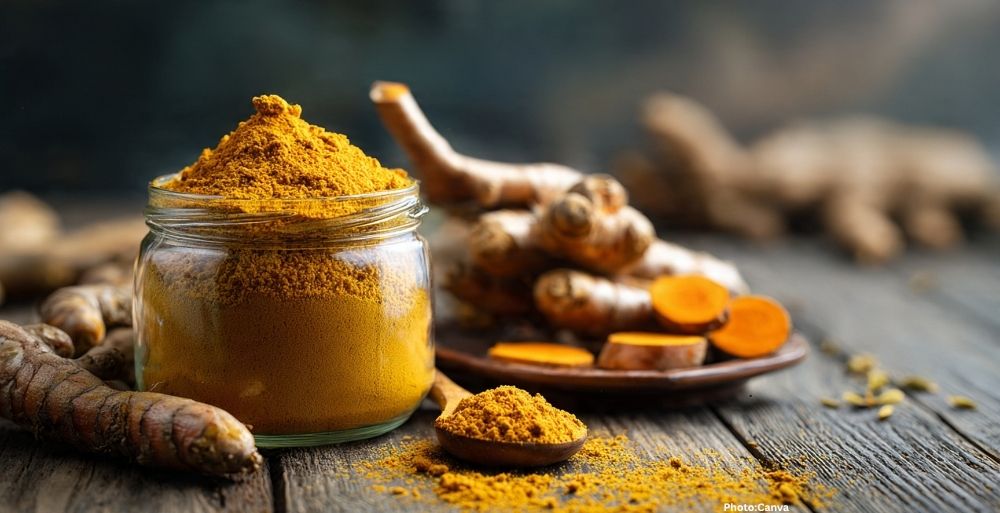
Turmeric, a vibrant yellow spice derived from the root of the Curcuma longa plant, has garnered significant attention not only for its culinary applications but also for its potential health benefits. Traditionally utilized in both Chinese and Ayurvedic medicine, turmeric is rich in curcumin, a compound noted for its anti-inflammatory and antioxidant properties.
Understanding Arthritis and Turmeric’s Role
Arthritis encompasses a wide range of conditions that lead to joint inflammation, pain, and reduced mobility. Osteoarthritis (OA), the most prevalent form, often arises due to age-related wear and tear on joints. Other forms, such as rheumatoid arthritis (RA) and psoriatic arthritis (PsA), are autoimmune disorders where the immune system attacks healthy joint tissue. Symptoms vary but commonly include swelling and joint pain.
Research indicates that turmeric, particularly through its active ingredient curcumin, may help alleviate symptoms associated with arthritis. Studies suggest that curcumin possesses strong anti-inflammatory qualities, potentially reducing joint inflammation and alleviating pain. A review of 29 clinical trials found that turmeric significantly diminishes inflammation and pain in multiple arthritis types, including RA, OA, and gout, with participants reporting substantial improvements without notable side effects.
Cardiovascular Health and Turmeric
Cardiovascular diseases, which affect the heart and blood vessels, are often linked to conditions like coronary artery disease and heart failure. Symptoms of these diseases can vary but frequently include chest pain and shortness of breath. The development of heart disease is often associated with atherosclerosis, where plaque builds up in the arteries.
Emerging evidence suggests that turmeric may support heart health by reducing inflammation and enhancing blood vessel function. Some studies have indicated that curcumin can lower levels of low-density lipoprotein (LDL) cholesterol, a risk factor for heart disease. In one notable study, adults taking curcumin supplements experienced improved blood vessel function, contributing to better cardiovascular health.
Inflammatory Bowel Disease (IBD) and Curcumin
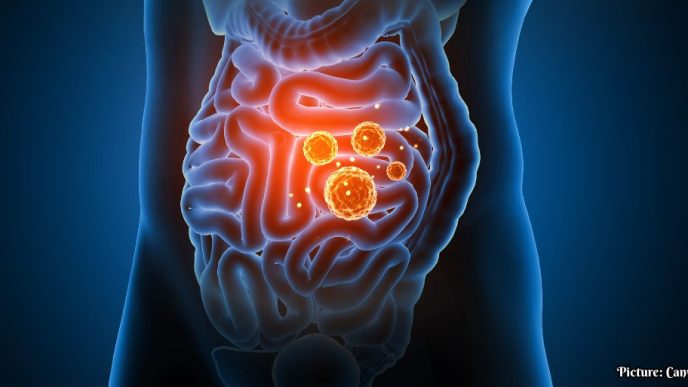
Inflammatory bowel disease, which includes Crohn’s disease and ulcerative colitis, is characterized by chronic inflammation in the digestive tract. Symptoms can range from abdominal pain to severe diarrhea. The potential of curcumin to manage IBD symptoms has been supported by studies showing that it may enhance the effectiveness of standard treatments.
A 12-week study involving individuals with mild to moderate Crohn’s disease demonstrated that participants taking curcumin supplements experienced significant symptom relief, with 40% of participants reporting no symptoms by the end of the study. Despite these promising results, further research is necessary to establish optimal dosages and treatment durations.
Impact on Neurodegenerative Diseases
Neurodegenerative diseases, including Alzheimer’s and Parkinson’s, are marked by the progressive degeneration of nerve cells. Symptoms often include memory loss and movement difficulties. Chronic inflammation and harmful protein accumulation in the brain are thought to contribute to these conditions.
Curcumin may play a role in reducing brain inflammation and protecting against cognitive decline. Research has shown that curcumin could help shield brain cells from damage, potentially slowing the progression of Alzheimer’s disease, and may also enhance mood and cognitive function in older adults.
Turmeric’s Potential in Mental Health
Depression is a complex mental health condition characterized by persistent sadness and a lack of interest in activities. While its causes are multifaceted, chronic inflammation is considered a contributing factor. Curcumin shows promise as a natural supplement for managing depression, potentially increasing levels of brain-derived neurotrophic factor (BDNF), a protein crucial for brain health.
Some studies indicate that curcumin may alleviate symptoms in individuals with major depressive disorder, though more rigorous research is needed to clarify its effects and the influence of different curcumin formulations.
Applications in Allergy and Skin Conditions
Allergies occur when the immune system reacts excessively to environmental triggers, leading to symptoms such as sneezing and itching. Turmeric’s anti-inflammatory properties may help mitigate these symptoms, particularly for mild to moderate allergies.
Additionally, inflammatory skin conditions like eczema and psoriasis may benefit from curcumin’s soothing effects. Both oral supplements and topical applications of curcumin have been shown to alleviate symptoms, presenting an alternative to more conventional steroid treatments.
Turmeric and Cancer Research
Cancer, characterized by uncontrolled cell growth, has been an area of interest in curcumin research. Preliminary studies suggest that curcumin may inhibit cancer cell growth and could enhance the efficacy of certain cancer treatments, though further investigation is essential to fully understand its potential.
Managing Type 2 Diabetes and Respiratory Conditions
Type 2 diabetes arises from insulin resistance, leading to elevated blood sugar levels. Curcumin may assist in improving insulin sensitivity and reducing the risk of diabetes when integrated into a comprehensive health plan.
Furthermore, turmeric may provide support for chronic respiratory conditions such as asthma and chronic obstructive pulmonary disease (COPD) by reducing inflammation in the airways and improving overall lung function.
Safety and Consumption of Turmeric
Generally regarded as safe, turmeric can be consumed in various forms, including fresh root, ground spice, and concentrated supplements. The FDA categorizes curcuminoids extracted from turmeric as “generally recognized as safe.” However, individuals should adhere to dosage guidelines and consult healthcare professionals before starting any new supplement regimen.
While turmeric is safe for most, excessive doses may lead to side effects such as gastrointestinal discomfort and increased bleeding risk. Special caution is advised for those on blood-thinning medications or with specific health conditions.
In conclusion, while turmeric and its active compound curcumin show promise in managing a variety of health issues, ongoing research is necessary to solidify these findings and establish comprehensive guidelines for effective use.