
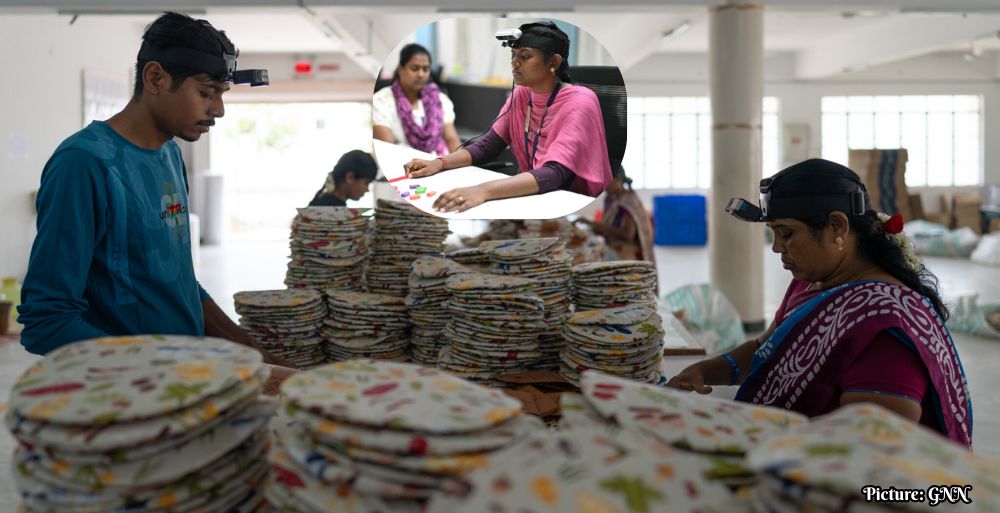
The city of Karur in Tamil Nadu, India, is witnessing a surge in jobs related to artificial intelligence as workers engage in data annotation, a crucial process for training AI models.
In the small city of Karur, located in Tamil Nadu, India, the rapid expansion of artificial intelligence (AI) is manifesting in a unique labor market that combines traditional work with cutting-edge technology. As of August 2026, Karur has emerged as a hub for data annotation, a field that requires human intervention to train AI systems effectively. This evolution is particularly significant as India grapples with high youth unemployment and a pressing need for entry-level jobs.
The Rise of Data Annotation
Data annotation involves the process of labeling and categorizing data so that AI systems can learn from it. This pivotal role is crucial for refining AI technologies that are increasingly integrated into various industries, from autonomous vehicles to retail inventory management. Workers in Karur are not only participating in this growing sector but are also adapting to the changing landscape of work that AI brings.
In Karur, hundreds of young professionals are now working in tech labs, with many seen on coffee breaks during late weekday afternoons, their corporate ID cards prominently displayed. Others are supplementing their incomes by engaging in data collection from home, often strapping smartphones to their bodies to record videos of daily activities such as chopping vegetables or making their beds. This situation highlights the dual nature of the work: it is both a means of economic survival and a way to engage with the technological advancements shaping the future.
Job Adaptation in a Shifting Economy
The nature of data annotation work, while less complex than traditional engineering roles, provides a crucial service. Workers dedicate hours to scrutinizing video footage frame by frame to identify errors and improve AI performance. For many in Karur, these jobs represent a significant opportunity in a landscape where conventional entry-level positions are dwindling due to automation and technological advances.
As AI technologies become more complex, the demand for accurately labeled data continues to grow. Companies striving to enhance their products and services through machine learning require vast amounts of data that is correctly annotated. In India, with its considerable youth population and a persistent shortage of entry-level jobs, this trend presents an opportunity for economic growth and job creation that aligns with the global shift toward technology-driven industries.
Global Implications of Local Labor Trends
The labor dynamics in Karur reflect broader trends in the global economy, where technology is reshaping job markets. As many traditional roles, including coding and engineering, become automated, data annotation serves as a bridge for workers transitioning into a tech-driven landscape. This shift raises critical questions about the future of work and the skills required in an increasingly automated world.
In addition to providing income opportunities, data annotation roles also highlight the importance of human oversight in AI development. While AI can process vast amounts of data, it still requires human insight to ensure accuracy and relevance. This reality positions data annotators as essential players in the AI ecosystem, underscoring the necessity of human input in machine learning processes. As AI continues to advance, the role of these workers becomes more critical, not only for their economic contributions but also for the integrity of the technology itself.
Challenges and Opportunities Ahead
Despite the promising growth in data annotation jobs, challenges remain. The work can be monotonous and is often viewed as less prestigious compared to traditional tech careers. Moreover, as AI technologies continue to evolve, the sustainability of these jobs may come into question, necessitating ongoing investment in skill development and education for workers.
In response to these challenges, local educational institutions and organizations are beginning to recognize the importance of training programs that equip workers with the necessary skills to thrive in emerging fields. This commitment to skill development is essential to ensuring that workers in Karur are not left behind as the technological landscape shifts. Initiatives aimed at enhancing digital literacy and AI understanding can help prepare the workforce for the demands of future job markets.
As Karur continues to adapt to the technological revolution, there is potential for this small city to serve as a model for other regions facing similar economic transformations. By fostering a culture of innovation and continuous learning, Karur can exemplify how communities can harness the power of AI to create jobs and drive economic progress.
The Future of Work in Karur
In conclusion, the rise of AI training jobs in Karur represents a significant shift in the labor market, illustrating how technology can create new opportunities even as it displaces traditional roles. As the world continues to embrace AI, the experiences of workers in this southern Indian city may offer valuable insights into the future of work in an increasingly automated society. The balance between technological advancement and human employment remains a critical area for ongoing discussion and policy development, making Karur’s journey a focal point for understanding the interplay between AI and the workforce.