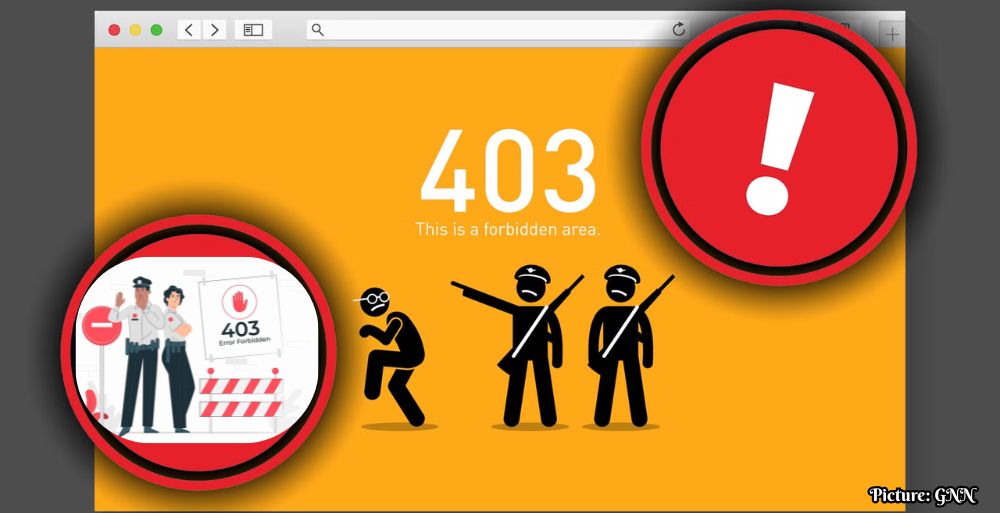
Numerous users faced a 403 Forbidden error on October 23, 2023, when attempting to access specific web applications, indicating potential server misconfigurations or excessive traffic.
On October 23, 2023, a widespread issue emerged as numerous users reported encountering a 403 Forbidden error while trying to access certain web applications or websites. This error signifies that while the server acknowledges the request, it refuses to authorize access, often due to permission settings or server misconfigurations. The incident, which affected users across various platforms, was attributed to CloudFront, a content delivery network (CDN) service provided by Amazon Web Services (AWS).
Understanding the 403 Forbidden Error
A 403 Forbidden error is a standard HTTP status code that indicates the server understands the request but is refusing to fulfill it. This situation can arise from various factors, including restrictive permissions set by the website owner, IP blocking, or server misconfigurations. For users, encountering this error can be perplexing, particularly if they are unaware of the underlying reasons for the access denial. Historically, such errors can disrupt normal web traffic and user experience, prompting users to seek solutions or clarification from the affected service providers.
Technical Insight into 403 Errors
The occurrence of a 403 error differs from other HTTP error codes, such as a 404 Not Found error, which indicates that the requested resource is unavailable, or a 500 Internal Server Error, which suggests a server malfunction. Understanding these distinctions is crucial for both end-users and developers, as it aids in diagnosing issues and implementing corrective measures. The 403 error can manifest in various forms, prompting users to consider whether access restrictions are intentional or a result of misconfigured server settings.
Potential Causes Behind the Error
The specific error message generated on October 23 suggested that users might try their requests later or contact the website owner for assistance. This implies that the issue may be temporary and potentially resolvable either by waiting for server traffic to normalize or by adjusting the server configurations. Furthermore, some 403 errors may arise from unintentional restrictions set by website administrators, particularly when using content management systems that may inadvertently block access to certain pages or resources.
Troubleshooting Steps for Affected Users
For users encountering a 403 error, several troubleshooting steps can be beneficial. First, users should check the URL for accuracy and ensure they are attempting to access the correct resource. Clearing the browser’s cache and cookies could also mitigate access issues. If users believe they should have access to the restricted content, reaching out to the website’s support team may provide clarity regarding any access restrictions. Additionally, users relying on CloudFront for content delivery can consult the CDN’s documentation for troubleshooting guidance, which outlines common issues and resolutions related to access denials.
Implications for Users and Website Administrators
The frustration stemming from encountering a 403 error can significantly impact users, especially if they are trying to access critical information or services. For website administrators, such errors can lead to a negative user experience and may result in decreased traffic and engagement on their platforms. Regular monitoring of server configurations and traffic patterns is essential to avoid such issues. Implementing robust access control measures while ensuring compliance with user permissions can help reduce the occurrence of 403 errors.
Legal and Compliance Considerations
In some cases, a 403 error may result from adherence to legal or compliance requirements. Websites that handle sensitive information, such as personal data or health records, often impose access restrictions to comply with regulations like the General Data Protection Regulation (GDPR) in Europe or the Health Insurance Portability and Accountability Act (HIPAA) in the United States. These regulations necessitate stringent access controls to safeguard user data and privacy, leading to intentional restrictions that could result in 403 errors for certain users.
Historical Context and Trends
The prevalence of 403 errors can be viewed in the context of increasing web traffic and the growing complexity of web applications. As more users engage with digital content and services, the likelihood of encountering server-related issues rises. The reliance on CDNs like CloudFront to manage content delivery has become a standard practice for many organizations, aimed at improving performance and reliability. However, the trade-off can sometimes include increased vulnerability to access issues, emphasizing the need for ongoing management and optimization of server settings.
Conclusion
In summary, the 403 error encountered by users on October 23, 2023, reflects a technical challenge that can arise from various factors, including server misconfigurations and access restrictions. Understanding the implications of such errors is vital for users seeking effective access to web resources and for website administrators striving to maintain a seamless user experience. Improved communication, along with proactive configuration management, will be essential in addressing these issues efficiently. As the digital landscape evolves, timely and transparent resolutions will be pivotal in ensuring user satisfaction and the overall integrity of online services.