A group of graduating students from the National Academy of Legal Studies and Research (NALSAR) in Hyderabad has formally requested the university administration to reconsider its plan to invite Chief Justice of India Surya Kant as the chief guest for their upcoming convocation.
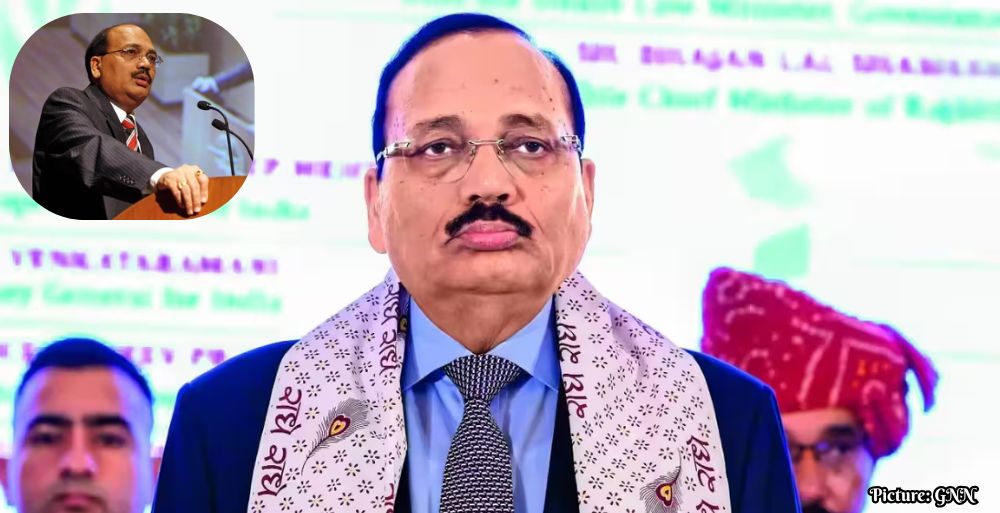
New Delhi – Graduating students of the National Academy of Legal Studies and Research (NALSAR) in Hyderabad are voicing significant concerns regarding the university’s reported decision to invite Chief Justice of India Surya Kant as the chief guest for the upcoming convocation ceremony. The students have submitted a representation to the Vice-Chancellor, Registrar, and faculty members, urging a reassessment of this choice, which they believe contradicts the institution’s commitment to upholding constitutional rights and promoting access to justice.
Context of the Students’ Concerns
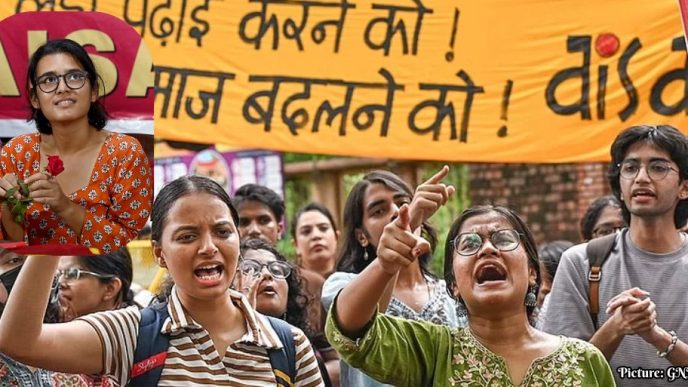
The students’ objections are primarily tied to the Supreme Court’s recent handling of a plea related to police actions during a protest known as the “Chalo Sansad” demonstration, which took place at Jantar Mantar on July 20. Organized by the Cockroach Janta Party (CJP), the protest addressed several pressing issues, including grievances regarding the National Eligibility cum Entrance Test (NEET) and the operations of the National Testing Agency. The protest was marked by significant public dissent, with demonstrators calling for reforms in the education sector and highlighting issues related to the conduct of examinations.
In their representation, the students referred to allegations that Chief Justice Surya Kant had dismissed the urgency of this plea during a hearing on July 22. Reports indicate that when legal counsel attempted to present video evidence of alleged police violence against the protesters, the Chief Justice responded, “We are not interested in videos. We don’t have time to watch,” demonstrating a lack of engagement with the serious concerns raised by the protesting citizens. This incident, interpreted by many as indicative of a broader disregard for the rights of citizens to protest peacefully and seek redress, has fueled the students’ discontent.
Details of the Protest
During the protest, participants highlighted that over 170 individuals, including women and children, suffered injuries due to police action. The students’ representation also noted that a separate petition had been submitted to the Chief Justice, requesting the Supreme Court’s suo motu intervention regarding the alleged brutality. This petition referenced the legal protections established in the landmark case of DK Basu vs State of West Bengal, which underscores the need for accountability in law enforcement and the protection of citizens’ rights during protests.
Such incidents have raised questions about the role of the judiciary in safeguarding democratic principles, particularly the right to dissent. The students argue that the Supreme Court’s failure to respond promptly and effectively to the allegations of police excesses reflects a worrying trend of judicial disengagement from issues of public interest.
Students’ Stance on the Invitation
The graduating students articulated their discomfort with the idea of receiving their degrees from a dignitary whose recent public actions, particularly related to the treatment of protesters, appear dismissive of serious allegations. They stressed that such a choice is inconsistent with the values they have been taught during their time at NALSAR, which include a commitment to justice and the protection of citizens’ rights.
In light of these concerns, the students are calling for the university administration to “strongly reconsider” the invitation to Chief Justice Surya Kant and to engage in a dialogue with the graduating class before any formal invitation is extended. They have requested a prompt response to their representation, ideally by the following Monday, indicating their desire for an open discussion regarding this significant matter. This request underscores their commitment to ensuring that the graduation ceremony is reflective of their values and educational principles.
Implications for NALSAR’s Values
This situation illustrates the broader implications of institutional choices in legal education, particularly regarding the alignment of such choices with the foundational principles of justice and accountability. As future legal professionals, the students assert that their graduation ceremony should reflect the values of their institution and the importance of advocating for justice within their communities.
The ongoing dialogue at NALSAR highlights the critical role that legal education institutions play in shaping the perspectives and values of future generations of lawyers and judges. The students’ initiative to address these concerns demonstrates their commitment to ensuring that the principles of justice and constitutional rights remain at the forefront of their educational experience. By actively engaging with the administration, they are not only advocating for their beliefs but also setting a precedent for future cohorts regarding the importance of standing up for ethical standards in the face of institutional decisions.
Historical Context and Future Considerations
The issues raised by the students are not isolated incidents but part of a larger dialogue surrounding the relationship between the judiciary and civil liberties in India. The Supreme Court has historically been viewed as a guardian of constitutional rights, but recent criticisms suggest a growing disconnect between the judiciary and the populace. This disconnection may have implications for public trust in judicial institutions.
As the students prepare to enter the legal profession, their actions reflect a conscious choice to prioritize ethical considerations and social justice. The outcome of their petition and the university’s response will likely influence not only their graduation experience but also the broader discourse around the role of legal education in promoting accountability and transparency in governance.
In conclusion, the situation at NALSAR serves as a reminder of the vital role that educational institutions play in fostering a commitment to democratic principles. The students’ efforts to engage with their administration highlight the importance of aligning institutional practices with the values of justice and equity that legal education aims to instill in future practitioners.