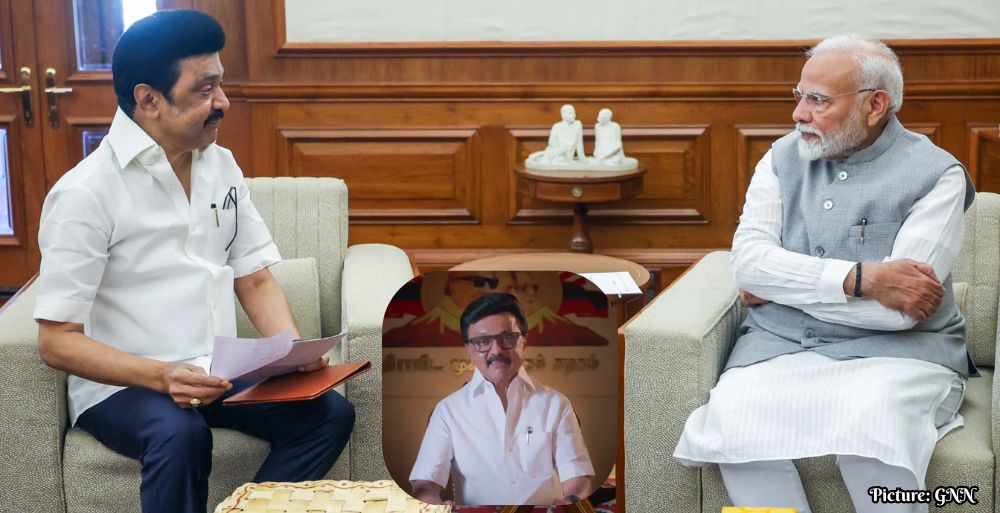
The Dravida Munnetra Kazhagam (DMK) has indicated it may support the government’s proposed delimitation Bill if three specific amendments are made, including a call for a 50% increase in Lok Sabha seats.
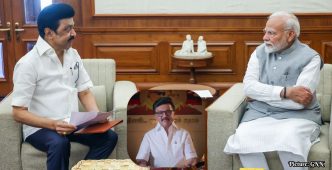
The Dravida Munnetra Kazhagam (DMK), led by former Tamil Nadu Chief Minister M.K. Stalin, has signaled its potential support for a constitutional amendment Bill aimed at conducting a new delimitation exercise, contingent upon the government’s acceptance of three critical changes to the legislation. This development comes as the Narendra Modi administration seeks to navigate a politically charged atmosphere ahead of upcoming legislative sessions.
Background on Delimitation and Political Context
Delimitation, the process of redrawing electoral district boundaries, has been a contentious issue in Indian politics, particularly related to census data. Currently, there is a freeze on the number of parliamentary seats based on the 1971 Census, which is set to expire following the completion of the next Census, expected in 2027. The DMK’s proposal aims to extend this freeze for an additional 25 years while pushing for a 50% increase in Lok Sabha seats across all states. This increase was reportedly promised by Home Minister Amit Shah during discussions about the delimitation legislative package introduced in Parliament earlier this year.
According to DMK sources, the party is advocating for a detailed schedule that specifies the number of seats allocated to each state within the legislative framework. However, a senior DMK leader noted that the government has yet to engage with them formally or informally on this matter. The party has stated that it will make a final decision regarding its support only once the specific wording and details of the Bill are made available.
Government’s Outreach to Opposition
Amid these developments, the Modi government is intensifying its outreach to opposition parties, particularly in light of previous setbacks in passing significant legislation. On Thursday, Parliamentary Affairs Minister Kiren Rijiju met with Congress Leader of the Opposition Rahul Gandhi, describing the discussion as “productive.” Rijiju stated, “I have made a request on a few specific issues and also discussed other matters. We expect continuous communication and coordinated action with the Congress and other Opposition parties.” This meeting followed another encounter at Gandhi’s office the previous day, where Congress reiterated its opposition to amendments that would facilitate delimitation.
Despite the government’s efforts, it currently lacks the two-thirds majority required to pass a constitutional amendment. As of now, the Lok Sabha consists of 540 members, with a two-thirds majority threshold set at 360 votes. If the DMK, with its 22 Lok Sabha members, were to support the Bill, the government’s total would rise to 346, still falling short of the necessary majority. However, the political dynamics could shift if abstentions occur during the vote.
Recent Political Changes and Implications
Since the defeat of the Constitution (131st Amendment) Bill on April 17, the political landscape has evolved. The government’s coalition, the National Democratic Alliance (NDA), has gained the support of 20 members from the breakaway faction of the Trinamool Congress, now known as the National Citizens Party of India (NCPI), as well as six members of the Shiv Sena who transitioned to the faction led by Eknath Shinde. In this context, Prime Minister Modi is scheduled to host a breakfast meeting with MPs from both the NCPI and Shiv Sena on Friday.
The government has indicated that, once assured of sufficient support, it will reintroduce the constitutional amendment Bill that seeks to expand the number of Lok Sabha seats to 850 in order to accommodate a 33% reservation for women following the delimitation exercise. This proposal has garnered attention amid ongoing discussions about increasing representation for women in the political sphere.
Opposition Response and Legislative Actions
In anticipation of the delimitation Bill and the Foreign Contribution (Regulation) Amendment (FCRA) Bills scheduled for discussion next week, the Congress Party has signaled its intention to issue a three-line whip urging its members to be present in Parliament. This move underscores the party’s commitment to opposing any constitutional amendments that could facilitate delimitation without adequate representation and discussion.
Meanwhile, the Lok Sabha has faced disruptions as opposition members have protested against police actions taken against student demonstrators. The Speaker of the Lok Sabha, Om Birla, opened the day’s proceedings by commemorating the anniversaries of the Hiroshima and Nagasaki bombings, prompting a moment of silence from members. However, the session quickly shifted focus as opposition MPs raised slogans demanding the presence of Home Minister Shah to address concerns regarding police conduct during protests on July 20.
As the political landscape continues to shift, the DMK’s conditions for support on the delimitation Bill highlight the complexities of coalition politics in India, especially as the ruling party seeks to forge consensus in a fragmented opposition environment.