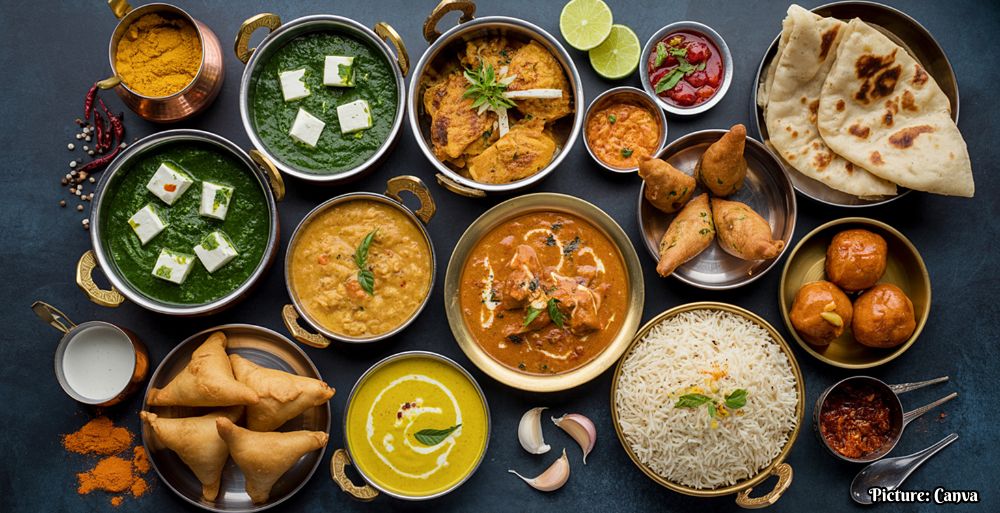
Indian cuisine has significantly influenced global culinary practices, with ten iconic dishes originating from India capturing hearts and palates worldwide.
Indian cuisine, characterized by its rich flavors and diverse ingredients, has long been a notable cultural export. This culinary influence dates back centuries, facilitated by traders, migrants, and chefs who transported their recipes along ancient spice routes and through colonial migration. As these dishes traveled, they adapted to local tastes while maintaining their Indian roots. Today, Indian-inspired restaurants can be found in virtually every corner of the globe, serving dishes that, despite variations, remain tied to India’s culinary heritage. Here are ten foods that originated in India and have since gained international acclaim.
Butter Chicken
Butter chicken, one of the most recognizable Indian dishes worldwide, originated in Delhi shortly after the Partition of India. This dish emerged as an innovative solution to prevent leftover tandoori chicken from drying out. The chicken is simmered in a rich tomato-based gravy enriched with butter, cream, and spices, creating a recipe that quickly gained popularity. Its ubiquity is evident as butter chicken appears on menus from London and New York to Sydney and Singapore. While variations abound, the creamy curry remains a hallmark of Indian cuisine globally.
Biryani
Biryani, a dish that showcases the culinary legacy of India, has Persian influences but has evolved over centuries to embody regional nuances. Different styles, including Hyderabadi, Lucknowi, Kolkata, and Malabar biryani, reflect distinct histories and local ingredients. Its appeal transcends borders, with biryani celebrated in various cultures from the Middle East and South Africa to the United Kingdom and the United States. This dish exemplifies how a single recipe can adapt across cultures while retaining its unique identity.
Masala Chai
Masala chai, a spiced tea that has become a daily ritual for millions, has its origins in Indian households. Traditionally, black tea is brewed with milk, sugar, and spices such as ginger, cardamom, and cloves. As Indian communities settled in different countries, they introduced masala chai to new audiences, leading to a proliferation of interpretations worldwide. Although modern variations may differ from traditional recipes, the essence of fragrant spiced tea remains distinctly Indian.
Idli
Idli, a steamed rice and lentil cake, has garnered recognition as one of India’s healthiest traditional foods. Made from fermented batter, idli is light, easy to digest, and rich in nutrients. The steaming process contributes to its low-fat content and soft texture, while fermentation enhances nutrient bioavailability. With the global rise in interest in fermented foods and gut health, idli has gained popularity beyond Indian communities, with nutritionists and chefs promoting it as an example of how traditional cuisines align with modern health trends.
Gulab Jamun
Gulab jamun, soft milk-based dumplings soaked in fragrant sugar syrup, are a beloved dessert not only in India but also worldwide. This sweet delicacy is a staple at Indian celebrations and has found its way onto dessert menus in Indian restaurants across the globe. Whether served warm or with ice cream, gulab jamun has introduced many diners to the indulgent side of Indian cuisine.
Dosa
Once considered a specialty of southern India, dosa has become an international favorite. This fermented rice and lentil crepe is appreciated for its flavor and nutritional benefits. Health-conscious diners in Europe, North America, and Australia have embraced dosa as a gluten-free option. Indian restaurants have popularized classic fillings, such as spiced potatoes, alongside innovative modern variations.
Tandoori Chicken
Tandoori chicken, characterized by its vibrant red color and smoky flavor, is among India’s most recognized dishes internationally. Traditionally cooked in a clay tandoor, the chicken develops a distinctive char while remaining juicy. The tandoori flavor profile has influenced global cuisine, inspiring a variety of dishes ranging from wraps to pizzas, demonstrating how traditional cooking methods continue to shape worldwide food culture.
Naan
Naan, a type of flatbread, has gained worldwide fame through Indian restaurants. Soft and slightly chewy, naan is typically cooked against the walls of a tandoor and has become a favored accompaniment to rich curries. Its popularity is reflected in the availability of ready-made naan in supermarkets across Europe, North America, and Australia, with chefs experimenting with toppings such as garlic, herbs, and cheese.
Mango Lassi
Mango lassi, a refreshing drink made by blending ripe mangoes with yogurt and milk, has emerged as one of India’s most successful culinary ambassadors. This beverage combines India’s love for dairy with seasonal mangoes, appealing to a broad audience. Today, mango lassi is commonly served in cafés and restaurants worldwide, often being one of the first Indian beverages that international visitors experience, thus providing an accessible introduction to India’s vibrant culinary traditions.